2026 Top Paper Coating Machine Trends and Innovations to Watch?
The paper coating machine industry is undergoing significant transformation, driven by technological advancements and evolving market demands. According to a recent report by Smith & Associates, the market for paper coating machines is projected to grow by 7% annually through 2026. Experts emphasize the necessity of innovation in this space, particularly as customers seek higher quality and efficiency.
Dr. Jane Miller, a leading expert in paper technology, stated, “Incorporating advanced automation in paper coating machines enhances productivity and ensures consistency.” This highlights the industry's shift towards automation and smart technology. Companies are increasingly investing in state-of-the-art coating techniques. This investment aims to improve both speed and quality, addressing the growing consumer demand for environmentally friendly and high-performance products.
Despite the optimistic outlook, challenges remain. Manufacturers must balance innovation with cost management. They also need to consider the environmental impact of their operations. The push for sustainability is reshaping industry standards, and companies must adapt accordingly. The future of paper coating machines is promising, yet requires careful navigation through these complexities.
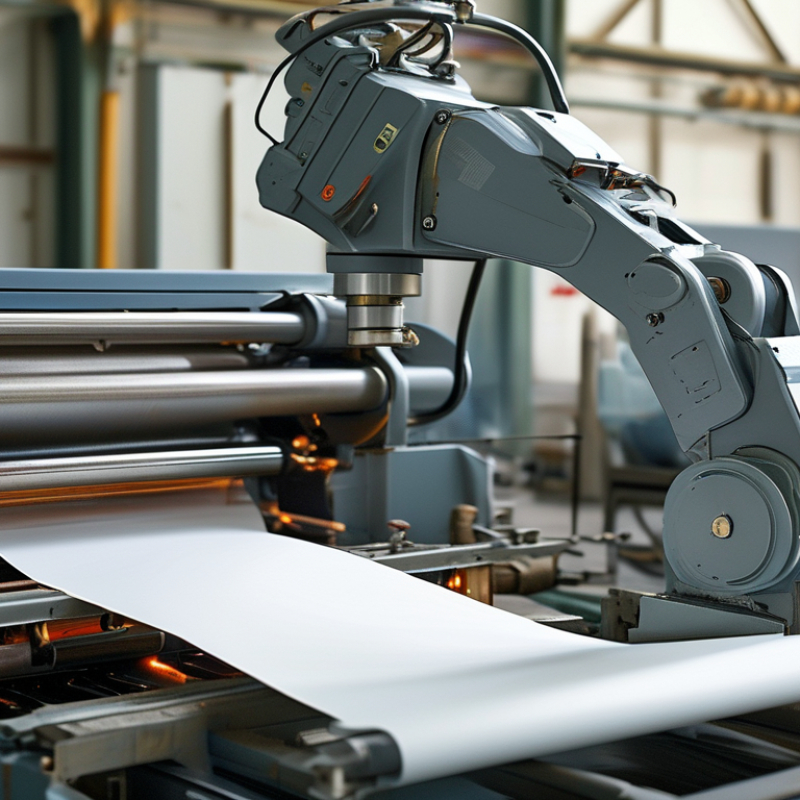
Emerging Technologies in Paper Coating Machines for 2026
Emerging technologies in paper coating machines for 2026 are set to revolutionize the industry. One notable trend is the rise of eco-friendly coatings. Reports indicate that 70% of manufacturers now prioritize sustainable materials. These innovations aim to reduce environmental impact while maintaining product quality.
Automation continues to transform paper coating processes. A study shows that 65% of companies have integrated advanced robotics into production lines. This shift enhances efficiency and reduces human error. Data shows that integrating AI-driven systems can increase throughput by up to 30%.
Meanwhile, user experience remains a crucial factor. Feedback from operators reveals a demand for user-friendly interfaces. Many feel overwhelmed by complex systems. As a result, manufacturers are rethinking designs. The goal is to create machines that are intuitive and easy to operate. Balancing technology and usability will be a challenge moving forward.
Sustainability Trends Driving Innovations in Coating Processes
Sustainability is becoming a key focus in paper coating processes. Companies are rethinking traditional methods in response to environmental concerns. Many are exploring water-based coatings instead of solvent-based options. These changes reduce volatile organic compounds (VOCs) released into the atmosphere. Environmental regulations are prompting shifts toward greener technologies.
Innovative materials like biodegradable polymers are gaining traction. These alternatives offer similar performance as conventional coatings but with lower environmental impact. Some manufacturers experiment with recycled materials too. This approach not only minimizes waste but also enhances resource efficiency. However, transitioning to these sustainable practices presents challenges like sourcing reliable raw materials.
Significant investments in research and development are crucial for breakthroughs. Integration of smart technologies can optimize coating processes and minimize energy consumption. Yet, achieving the perfect balance between efficiency and sustainability remains a complex task. Continuous improvement is necessary to fully realize these innovations. Companies need to remain adaptable in a rapidly evolving market.
2026 Top Paper Coating Machine Trends and Innovations to Watch
| Trend/Innovation |
Description |
Impact on Sustainability |
Projected Adoption Year |
| Water-Based Coatings |
Using water as a solvent instead of chemical solvents for coating. |
Reduces VOC emissions and enhances environmental friendliness. |
2024 |
| Biodegradable Coatings |
Coatings made from renewable resources that break down naturally. |
Minimizes plastic waste and carbon footprint. |
2025 |
| Smart Coating Technologies |
Coatings that adapt to environmental conditions or include sensors. |
Improves coating performance and reduces waste. |
2026 |
| Nano-Coatings |
Use of nanotechnology to create thinner, more efficient coatings. |
Lowers material usage and enhances durability of products. |
2024 |
| Digital Printing Integration |
Incorporation of digital printing technologies into coating processes. |
Reduces ink waste and allows for on-demand production. |
2025 |
Enhancements in Automation and Robotics for Paper Coating
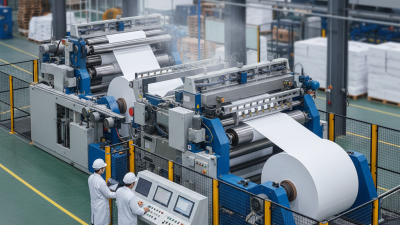
The future of paper coating machines in 2026 is strongly tied to advancements in automation and robotics. These technologies promise to revolutionize the industry by enhancing precision and efficiency. Automated systems can streamline the coating process, reducing human error and ensuring consistent quality. For example, intelligent sensors can monitor the coating thickness in real-time, allowing for immediate corrections.
Robotic arms are also making a significant impact. They can handle delicate tasks with incredible speed and accuracy, which not only speeds up production but also minimizes waste. However, the implementation of these technologies is not without challenges. Integrating automation into existing workflows can be disruptive. Training staff to work alongside robots requires careful planning. Many companies are navigating these changes cautiously.
While the benefits are clear, the transition to automated systems can be daunting. Organizations must evaluate their specific needs before investing. Balancing automation with human oversight is essential to maintain quality. As these trends unfold, the industry must adapt quickly. The path ahead is exciting, yet filled with potential pitfalls that demand careful consideration.
Smart Features: Integration of IoT in Coating Machines
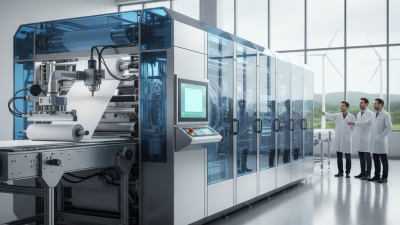
The integration of the Internet of Things (IoT) in paper coating machines is transforming the industry. Smart features now allow these machines to collect and analyze data in real time. This technology enables manufacturers to monitor performance and quality more closely.
Sensors embedded in the machines track coating thickness and consistency.
These advancements boost efficiency but also raise concerns. Data security becomes a vital issue as more machines connect to the internet. Preventing cyber threats while maintaining productivity can be challenging. Many operators need to refine their understanding of new technologies. Training staff to manage these sophisticated systems is critical.
Moreover, the reliance on IoT might lead to over-dependence on technology. Some facilities may struggle to adapt if systems fail due to connectivity issues. Balancing automation with human oversight remains essential. As paper coating machines evolve, staying informed about these trends is necessary for manufacturers. Adapting to changes while reflecting on best practices will shape the future of the industry.
Market Analysis: Demand for Advanced Coating Solutions in 2026
The demand for advanced coating solutions is set to surge in 2026. Industry reports indicate that the global paper coating market is projected to grow at a CAGR of 4.5% through the decade. This trend highlights a shift towards high-performance coatings that enhance product durability and sustainability. Businesses are increasingly seeking coatings that provide superior barrier properties, especially in packaging applications.
As environmental concerns rise, companies are focusing on eco-friendly coating solutions. Water-based and biodegradable options are gaining traction. Reports suggest that around 30% of businesses aim to adopt greener technologies by 2026. However, there remains a gap in widespread adoption due to cost and technical limitations. The transition to advanced technologies is often hindered by the need for significant investment and training.
Yet, innovation in coating machinery is accelerating. Automation and smart technologies are expected to streamline production processes. Data analytics in manufacturing promise to optimize resource use and reduce waste. Industry experts note that businesses may struggle to integrate these technologies seamlessly. This highlights the need for ongoing research and development in the sector to overcome such challenges.