2026 Top UV Coating Machine Innovations and Trends for the Future?
As the market for UV Coating Machines continues to evolve, innovative technologies are emerging. Industry expert Dr. Emily Chen, a leading figure in the UV coating technology sector, states, "Adaptation to new trends is critical for industry growth." This quote highlights the urgency for manufacturers to embrace advancements.
In recent years, UV Coating Machines have integrated smarter technologies. Automated control systems and eco-friendly materials are becoming standard. These innovations improve efficiency and reduce waste, but they also challenge traditional methods. Adapting to these changes requires careful strategy and investment.
Emerging trends point toward increased customization and user-friendly designs. However, many companies struggle to keep pace. They must balance innovation with reliability. The future of UV Coating Machines lies not only in technology but also in understanding market demands. The journey ahead is uncertain, yet exciting.
Overview of UV Coating Machines and Their Applications
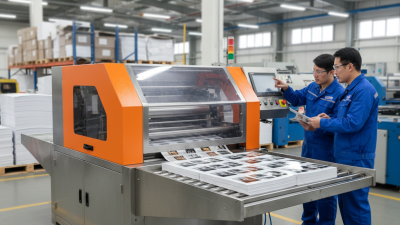
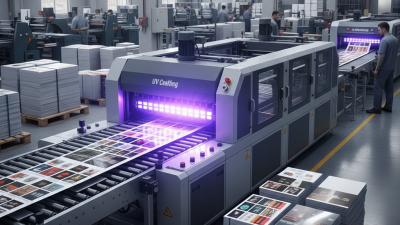
UV coating machines are becoming essential tools in various industries. They enhance the durability and appearance of printed materials. These machines apply a thin layer of UV coating to protect surfaces from damage. Common applications include packaging, printing, and wood finishing. The speed of these machines supports high-volume production. They ensure consistent quality across each batch.
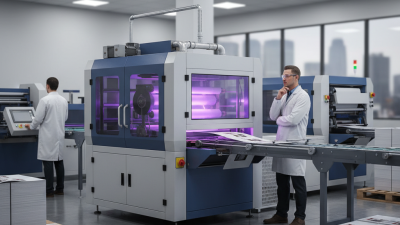
In recent years, there are emerging trends, such as automation and smart technology. Automation improves efficiency, reducing manual labor costs. Smart UV coating machines provide real-time data on performance metrics. This data helps companies optimize their processes. However, the integration of such technologies can be complex. Training staff on new systems can create short-term challenges.
Sustainability also influences UV coating technology. Manufacturers are exploring eco-friendly coating options. These innovations aim to reduce environmental impact. Yet, there are still hurdles to overcome. Many traditional coatings are not easily replaced. The industry must address these gaps to advance. Overall, the evolution of UV coating machines is reshaping production methods. But, continuous adjustments are necessary for optimal results.
2026 Top UV Coating Machine Innovations and Trends for the Future
| Feature |
Description |
Applications |
Benefits |
Trends |
| High Speed Curing |
Utilizing advanced LED technology for faster curing times. |
Packaging, Labeling |
Increased efficiency and productivity. |
Growing demand for quick turnaround times. |
| Eco-Friendly Options |
Formulations with low VOCs and hazardous materials. |
Commercial Printing, Wood Coatings |
Reduced environmental impact. |
Regulatory pressures and consumer preference. |
| Advanced Monitoring Systems |
Real-time monitoring of curing processes. |
Varied Printing Industries |
Improved quality control and consistency. |
Integration of IoT technologies. |
| Compact Designs |
Smaller footprint machines for limited spaces. |
Small to Medium-sized Enterprises |
Better utilization of space without sacrificing functionality. |
Shift towards smaller production facilities. |
| User-Friendly Interfaces |
Intuitive control panels and touchscreens. |
All sectors using UV Coating |
Reduced training time and ease of operation. |
Focus on operational simplicity and productivity. |
Key Innovations in UV Coating Technology for 2026
As we look forward to 2026, UV coating technology is evolving rapidly. Innovations are reshaping how industries approach surface treatment. In recent reports, the UV coating market is expected to grow at a CAGR of 8% through 2026. This growth is driven by advancements in efficiency and environmental sustainability.
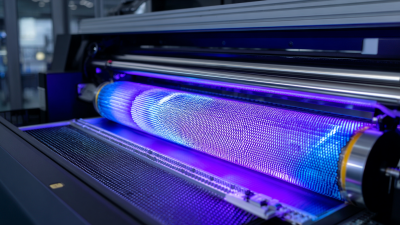
One significant innovation is the development of low-energy UV (LEUV) curing systems. These systems need less energy, aligning with industry trends toward sustainability. The adoption of LEUV can reduce energy costs by an estimated 30%. Additionally, the technology minimizes the emission of volatile organic compounds (VOCs), addressing environmental concerns.
Digital printing is also impacting UV coating trends. Enhanced compatibility between digital inks and UV coatings allows for richer color and better adhesion. Studies suggest that prints treated with UV coatings are more durable and resistant to abrasion. However, not every printer can harness this technology effectively. Manufacturers need to adapt their equipment and processes, which can present challenges. Understanding these transitions is crucial for companies aiming to thrive in this competitive landscape.
Emerging Trends in Eco-Friendly UV Coatings and Materials
The demand for eco-friendly UV coatings is rising as industries focus on sustainability. Manufacturers are exploring alternatives to traditional UV-curable materials. This shift reflects a growing awareness of environmental impacts. Biobased materials are gaining traction, offering renewable options that reduce carbon footprints.
Innovations are emerging in raw materials that replace conventional solvents. These advancements optimize performance and minimize toxicity. However, challenges remain in balancing product durability and ecological responsibility. The industry is pushed to improve formulations while ensuring compliance with environmental regulations. The push for transparency is also gaining momentum, with customers demanding clearer information about sustainability practices.
With these trends, the future of UV coatings is evolving. Companies are investing in research to create more efficient and less harmful products. It will take time to achieve a perfect balance. The journey toward fully sustainable UV coatings is complex and layered, requiring collaboration across multiple sectors.
Impact of Automation and AI on UV Coating Processes
The integration of automation and artificial intelligence (AI) in UV coating processes is reshaping the industry. Reports indicate that over 50% of manufacturers are adopting these technologies to enhance efficiency. Automation reduces human error and ensures consistency in product quality. For example, AI algorithms can analyze coating data in real-time, allowing adjustments on-the-fly, which minimizes waste.
However, challenges remain. While automation streamlines production, it can lead to job displacement. Employees may require retraining to adapt to new technological demands. Industry surveys suggest that 30% of workers fear losing their jobs to machines. Additionally, reliance on AI raises concerns about data security and system failures. A faulty AI decision can result in significant financial losses.
Despite these issues, the long-term benefits of AI in UV coating are significant. Enhanced precision and speed improve product durability and customer satisfaction. A report showed that automated systems could boost production by up to 40%. As the industry evolves, finding a balance between technology and human input will be crucial for sustainable growth.
Future Challenges and Opportunities in the UV Coating Industry
The UV coating industry faces several challenges that must be addressed for future growth. Reports indicate that the global UV coating market is projected to reach $6 billion by 2026, showing a CAGR of around 9.5%. However, this growth is coupled with environmental concerns. Solvent-based coatings are being phased out. The shift toward UV coatings, while beneficial, poses challenges in resource allocation and technology adoption.
One key opportunity lies in sustainability. The demand for eco-friendly options grows. UV coatings cure quickly and emit fewer volatile organic compounds (VOCs), making them attractive to manufacturers. Industry data suggests that nearly 70% of customers now prioritize sustainable products. However, not all players are equipped with the necessary technology to adopt these innovations.
Training and education represent another challenge. The industry must invest in workforce development to understand new applications of UV technology. Only a fraction of the workforce is trained in advanced techniques. Industry professionals often note a skills gap that can hinder future advancements. Addressing these gaps can transform challenges into opportunities, enhancing overall industry resilience.
2026 Top UV Coating Machine Innovations and Trends