2026 Top Wire Rod Coater Machine Innovations and Trends?
The wire rod coater machine market is evolving rapidly. Recent statistics from the International Wire Association show a projected annual growth rate of 5.2% through 2026. This growth drives innovation, making it essential for industry professionals to stay informed about the latest trends.
According to Dr. Alice Chen, a leading expert in industrial machinery, “Advancements in wire rod coating technology will redefine industry standards.” Her insights highlight the necessity for manufacturers to adopt cutting-edge solutions.
With increased focus on efficiency and sustainability, machines are now designed for better energy management. Features such as automated coating processes and smart monitoring systems are becoming prevalent. However, not all innovations meet industry expectations. Continuous assessment of these technologies is vital for optimal performance. As the market transforms, manufacturers must navigate both opportunities and challenges in the wire rod coater machine sector.
Advancements in Wire Rod Coater Technology for 2026
The wire rod coater technology is evolving rapidly as we approach 2026. Recent innovations aim to enhance efficiency and reduce environmental impact. Advanced coating methods are now more precise, ensuring uniform coverage on wire rods. This precision helps improve the quality of the end products significantly.
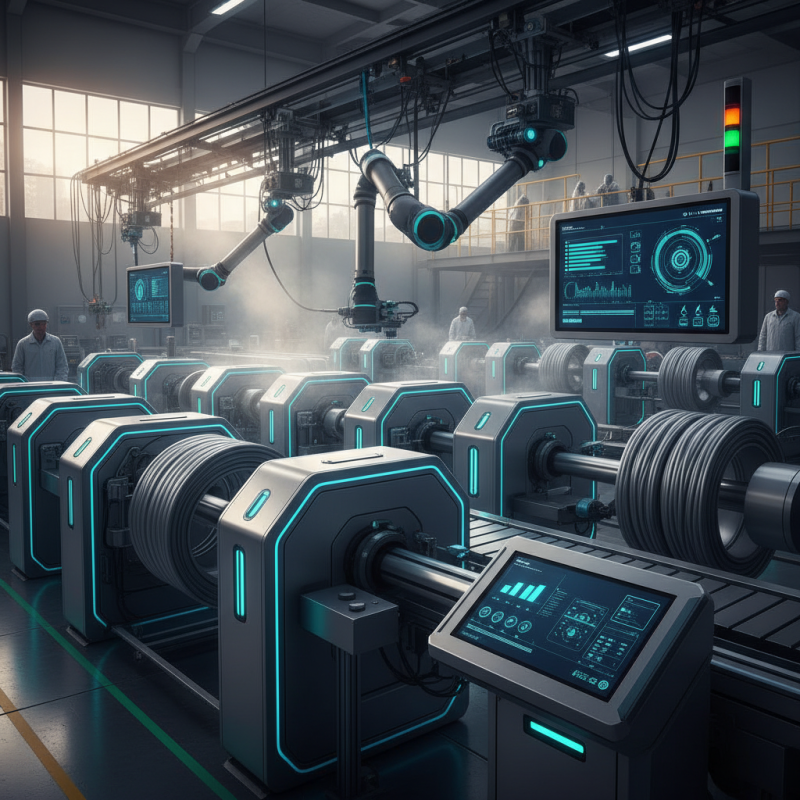
With a focus on sustainability, manufacturers are exploring eco-friendly materials and processes. There is a growing trend towards reducing waste during the coating process. New machines incorporate automated systems to optimize production and maintain high standards. These systems collect data, allowing for real-time adjustments. However, integrating such technology requires a learning curve for operators.
While innovations provide great potential, challenges remain. Not all facilities may afford the latest equipment. This disparity could widen the gap between larger and smaller producers. Companies must continually evaluate their strategies and invest wisely in technology to remain competitive. Keeping pace with these industry changes is essential for long-term success.
Key Innovations in Coating Materials for Wire Rods
The wire rod industry is evolving with new coating materials. These innovations improve corrosion resistance and enhance performance. Advanced polymer coatings have gained traction. They offer superior durability compared to traditional options. With these improvements, manufacturers can achieve better longevity in their wire products.
There’s a growing trend towards eco-friendly coatings. Many companies are exploring bio-based materials. These alternatives reduce environmental impact significantly. However, the effectiveness of these materials can vary. It's essential to conduct thorough tests.
Tips: Always evaluate the performance of new coatings in real-world conditions. This ensures they will meet your quality standards. Stay updated on industry trends to leverage the latest advancements. Understand that the shift towards sustainability may also affect pricing. A careful approach will help in decision-making. Keep communication open with suppliers for the latest insights and materials.
Automation and Smart Features in Wire Rod Coater Machines
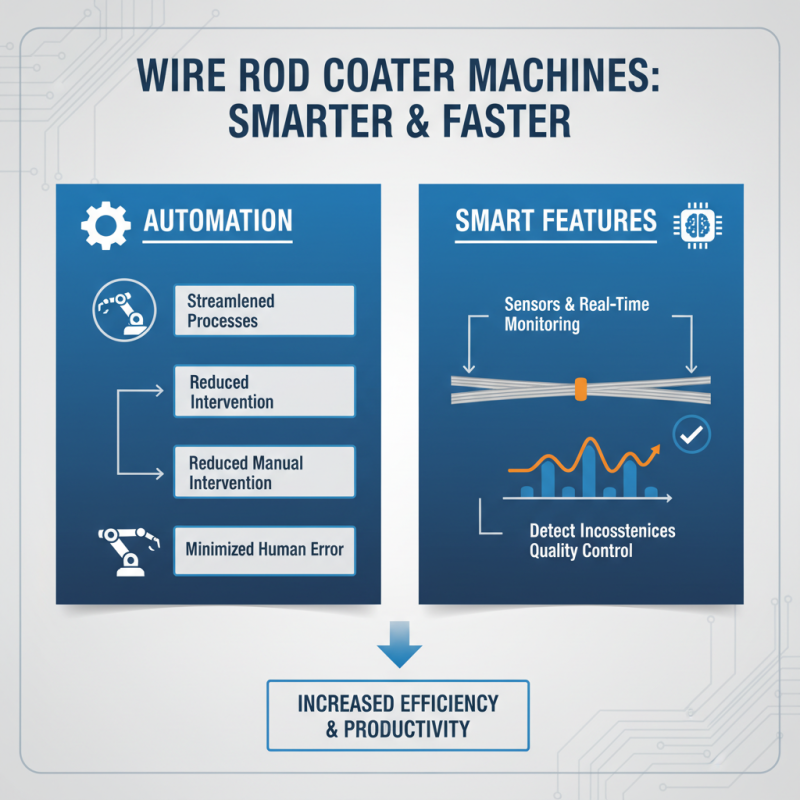
The landscape of wire rod coater machines is evolving rapidly, particularly with advancements in automation and smart features. These innovations are designed to enhance efficiency in various industrial applications. Automated systems can now streamline the coating processes, minimizing human error and reducing the need for manual intervention. For instance, sensors and real-time monitoring systems can detect inconsistencies during coating, ensuring a higher level of quality control.
Incorporating smart technology into these machines allows for predictive maintenance. This approach not only reduces downtime but also extends the machinery's lifespan. Data analytics can identify trends and potential issues before they escalate, allowing operators to make informed decisions. However, there are challenges. Integrating smart features may come with higher upfront costs. Manufacturers must weigh these investments against long-term savings.
The push for automation also emphasizes the need for skilled personnel. As machines become more advanced, training becomes crucial. Workers must adapt to new technologies and workflows, which can be daunting. Balancing innovation with workforce capabilities is a delicate challenge in this evolving market. Embracing change is essential, but it requires thoughtful consideration of both human and machine dynamics.
Sustainability Trends in Wire Rod Coating Processes
The wire rod coating industry is experiencing significant shifts towards sustainability. Many manufacturers are reevaluating their processes to minimize environmental impact. This trend aligns with global efforts to reduce carbon footprints. Eco-friendly materials and techniques are gaining traction. Companies are exploring water-based coatings, which reduce volatile organic compounds (VOCs).
Furthermore, the energy consumption of coating machines is a critical consideration. Many are incorporating energy-efficient technologies to lower usage. For example, some processes now focus on heat recovery systems. These innovations contribute to reducing waste and energy costs. However, challenges remain. Transitioning to greener methods can require significant investment and time. Not all companies are prepared for this shift, leading to varied adoption rates across the industry.
In addition, the pressure to maintain product quality while ensuring sustainability adds complexity. Balancing efficiency with eco-conscious practices isn't always straightforward. Many firms face hurdles in sourcing sustainable raw materials. Regaining customer trust through reliable and sustainable products remains a priority for many businesses in this evolving landscape.
2026 Top Wire Rod Coater Machine Innovations and Trends
| Innovation |
Description |
Sustainability Impact |
Adoption Rate |
| Eco-friendly Coating Materials |
Utilizing bio-based resins and solvents to reduce VOC emissions. |
Significant reduction in environmental pollution. |
45% |
| Energy-efficient Heating Systems |
Advanced heating technology that reduces energy consumption during the curing process. |
Lower carbon footprint and reduced operational costs. |
55% |
| Closed-loop Water Recycling |
Systems that reclaim and recycle water used in the coating process. |
Significantly less water waste, promoting conservation. |
40% |
| Automation and AI Integration |
Use of AI to optimize coating thickness and improve quality control. |
Enhances efficiency and reduces material waste. |
60% |
| Biodegradable Coating Options |
Developing coatings that break down naturally after use. |
Minimizes long-term waste impact. |
30% |
Impact of Industry 4.0 on Wire Rod Coater Efficiency and Performance
The rise of Industry 4.0 is transforming wire rod coating machines. These innovations focus on enhancing efficiency and performance. By integrating smart technologies, manufacturers can gain real-time insights into their production processes. Data analytics plays a crucial role here. Understanding machine performance allows for better decision-making.
Tips: Regularly assess equipment performance. Small changes can lead to big improvements.
Automated systems are becoming common. They minimize human error and speed up production. However, the shift to automation requires a mindset change. Teams need training to use new systems effectively. There’s potential for errors due to lack of experience with advanced technologies.
Tips: Invest in employee training programs. Empower your team to adapt and innovate.
Advanced sensors now monitor coating thickness and quality in real-time. This technology provides valuable feedback for adjustments during production. Yet, not all companies have embraced this shift. Obstacles include high initial costs and resistance to change. Evaluating the return on investment can help address these challenges.
2026 Innovations in Wire Rod Coater Machines