What Is the Best Film Coating Machine from China?
Choosing the best Film coating machine from China requires more than comparing prices or polished product photos. The right choice depends on batch size, coating material, tablet shape, automation needs, and production standards. A machine for a small research line may fail in a high-volume factory. That difference matters.
In practical evaluations, buyers should examine pan capacity, spray-gun performance, airflow control, drying efficiency, and cleaning access. Watch the machine operate, if possible. Observe spray coverage, tablet movement, noise, and powder buildup around the exhaust area. A reliable supplier should provide clear technical drawings, material specifications, operating data, and documented quality procedures. Stainless steel contact parts, stable PLC controls, and accessible maintenance points can reduce daily production problems. Small details often decide performance.
Supplier verification also deserves careful attention. Factory audits, customer references, video inspections, and witnessed factory acceptance tests can reveal more than brochures. Certification claims should be checked against current and applicable requirements. Installation support, operator training, spare-parts availability, and response times are equally important. A lower purchase price may become expensive when support is slow or replacement parts are unclear. There is no universal winner. Some Chinese manufacturers offer excellent engineering, while others need closer technical supervision. That is an uncomfortable point, but it should not be ignored. This guide compares practical machine features, supplier reliability, validation support, and long-term operating value, helping buyers make a more informed decision.
What Is a Film Coating Machine and How Does It Work?
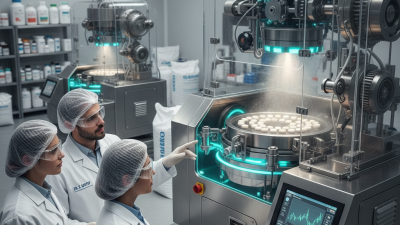
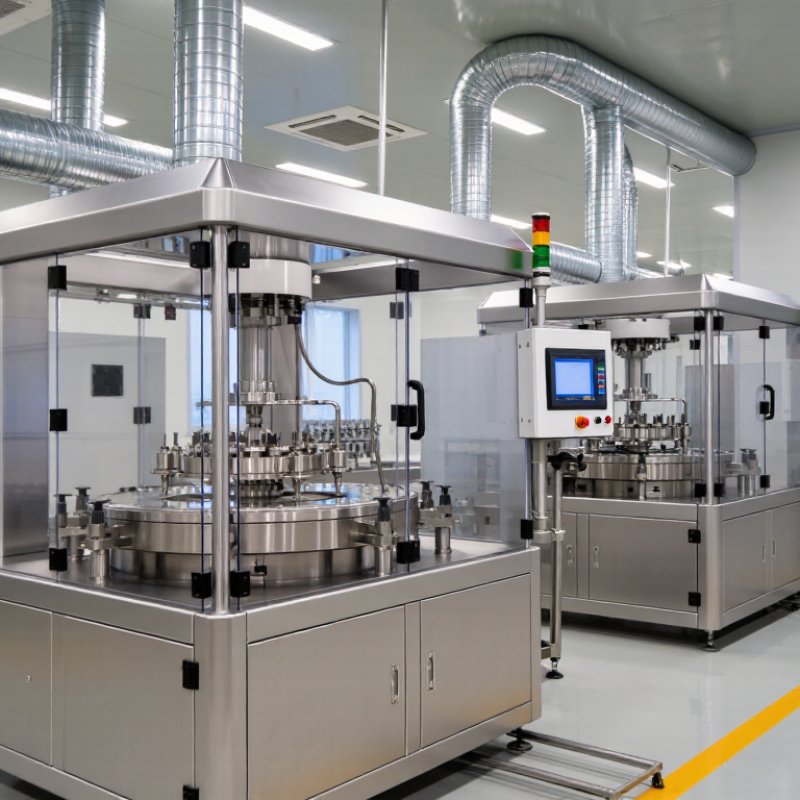
A film coating machine applies a thin polymer layer to tablets, usually for protection, appearance, taste masking, or controlled release. The tablet bed rotates inside a perforated pan. Spray guns deliver coating liquid, while heated air removes moisture. Pan speed, spray rate, inlet temperature, and exhaust humidity must remain balanced.
Research and Markets’ 2024 pharmaceutical manufacturing equipment analysis projects market growth near 6% annually through 2030. This trend reflects demand for efficient, repeatable production. Yet speed alone does not define the best Chinese machine. Poor atomization can create rough surfaces, sticking, or uneven color. Small errors matter.
In practice, operators should inspect spray-gun alignment, airflow control, cleaning access, and data-recording functions. The FDA’s Process Validation Guidance recommends monitoring critical process parameters throughout the equipment lifecycle. A useful machine should support that discipline. It needs stable temperature control and repeatable tablet mixing, not impressive specifications alone. Grand View Research’s 2024 pharmaceutical equipment report also identifies automation and process monitoring as major growth areas. That sounds convincing, but real factory performance may differ. I would request coating trials using the actual tablet shape and formulation. The result should include weight-gain variation, appearance records, drying time, and cleaning observations. No machine is perfect. Human settings still matter.
What Is the Best Film Coating Machine from China?
A film coating machine applies a thin, uniform polymer layer to tablets by rotating them in a coating pan while atomized coating liquid and controlled hot air are supplied. The best machine depends on batch size, coating uniformity, drying efficiency, spray control, cleaning requirements, and automation level.
Typical Tablet Film Coating Weight-Gain Targets
The ranges shown are commonly used industry reference values rather than universal specifications. Immediate-release coatings generally use a lighter film, while enteric coatings require a greater weight gain to provide resistance to gastric conditions. Actual settings vary according to tablet size, coating formulation, spray rate, inlet-air temperature, pan speed, and drying capacity.
Which Types of Film Coating Machines Are Made in China?
China manufactures several film coating machine types for pharmaceutical, nutraceutical, and food applications. Perforated pan coaters remain common for tablets because rotating drums provide steady mixing and efficient spray coverage. Fully perforated designs improve airflow and drying control. Conventional coating pans cost less, but they may create uneven color or longer drying times. Fluid-bed coaters use upward air suspension for pellets, granules, and multiparticulates. Wurster-style columns support bottom-spray coating, especially when uniform layers matter. A 2024 Grand View Research analysis identifies solid-dose processing as a major segment within pharmaceutical manufacturing equipment, supported by rising production capacity and automation demand.
Chinese manufacturers also produce high-shear coating systems, side-vented pan machines, and small laboratory coaters. Laboratory models often handle only a few kilograms, while industrial units can process hundreds of kilograms per batch. Automated systems may control inlet temperature, spray rate, pan speed, and exhaust humidity. Those details affect tablet appearance and coating consistency. The Pharmaceutical Manufacturing Equipment Market report from MarketsandMarkets projects continued growth through 2028, with automation and process control listed as important purchasing factors.
Machine selection should match the coating material, batch size, and cleaning procedure. Water-based coating needs dependable drying capacity. Heat-sensitive products may require gentler airflow. In practical trials, spray-gun spacing can matter as much as rated capacity. No single type wins every batch. That assumption is too neat. Buyers should request documented test results, cleaning records, air-volume data, and repeatability measurements before choosing a Chinese-made system.
How to Compare Chinese Film Coating Machine Manufacturers
What Is the Best Film Coating Machine from China?
How to Compare Chinese Film Coating Machine Manufacturers
Choosing the best film coating machine requires more than comparing prices. Compare manufacturers by process knowledge, equipment quality, and after-sales reliability. A serious evaluation starts with your material, coating width, target thickness, drying method, and production speed. A supplier should explain how its design handles viscosity changes, edge control, and web tension. Vague answers deserve caution.
Ask for a live coating trial using your actual substrate. Measure coating uniformity across the web, not only at the center. Check samples under consistent lighting and record thickness variation. Inspect the unwinding unit, coating head, drying chamber, and electrical cabinet. Look closely at welds, rollers, seals, and cable routing. Small details often reveal factory discipline. Request test data, maintenance schedules, and a clear list of standard components.
Factory visits can also expose gaps between sales claims and production reality. Review quality records, operator training, and final inspection procedures. Ask how quickly engineers respond to faults and which spare parts are stored locally. Confirm installation support, training hours, warranty terms, and delivery responsibilities in writing. A low quotation may exclude commissioning or essential upgrades. That is easy to miss. An honest comparison should include energy use, cleaning time, changeover losses, and long-term maintenance. No evaluation is perfect; a polished demonstration may still hide difficult operation during continuous production.
What Features Define the Best Film Coating Machine?
What Is the Best Film Coating Machine from China?
What Features Define the Best Film Coating Machine?
The best film coating machine is defined by controlled results, not impressive speed alone. It should maintain even coating thickness across every roll. A stable tension system prevents wrinkles, stretching, and edge defects during production. Operators should adjust speed, temperature, and coating flow without complicated procedures. Clear controls matter.
In daily operation, drying performance is equally important. Independent heating zones help maintain consistent temperatures across the web. Airflow should remove solvent or moisture without disturbing the wet coating. A reliable machine also supports accurate viscosity control. Small changes can affect gloss, adhesion, and surface texture. Experienced technicians often check samples at fixed intervals, rather than trusting the display completely.
Cleaning and maintenance reveal the machine’s real quality. Smooth stainless-steel surfaces reduce residue buildup and shorten cleaning time. Tool-free access can make inspections safer and faster. Safety guards, emergency stops, and overload protection should be standard features. Data logging also helps trace production changes and identify repeated faults.
Useful evidence includes trial records, coating uniformity tests, and service documentation. Higher speed is not always better. It may increase waste when drying capacity falls behind.
A practical evaluation should consider materials, operators, floor space, and long-term maintenance. Some machines look efficient until cleaning becomes the slowest step.
How to Select, Verify, and Purchase the Right Chinese Machine
What Is the Best Film Coating Machine from China?
Selecting a Chinese film coating machine should begin with process requirements, not catalog photos. Define batch size, tablet shape, coating weight gain, spray rate, inlet temperature, and cleaning time. A practical user requirement specification should also state acceptable coating variation. The 2024 Grand View Research report valued the global pharmaceutical manufacturing equipment market at over USD 15 billion, showing strong investment pressure. More options do not guarantee better equipment.
Verification requires evidence.
Request material certificates, calibration records, weld-quality documents, software access levels, and validated temperature sensors. During factory audits, inspect the spray guns, peristaltic pumps, exhaust filters, and electrical cabinets directly. A glossy video is weak proof. Ask for a live factory acceptance test using comparable tablets. Record pan speed, airflow, atomizing pressure, and coating uniformity. WHO GMP guidance and EU GMP Annex 15 both support documented qualification and validation practices.
Purchase terms deserve equal attention. Compare total cost, not only the machine quotation. Include installation, training, spare parts, remote support, delivery time, and local service capability. MarketsandMarkets has repeatedly identified automation and process control as major equipment investment drivers. Therefore, check data logging, alarm history, recipe permissions, and audit trails before signing. I would also request a site acceptance test with written pass criteria.
One uncomfortable truth remains: even a well-built machine can fail when the formulation, exhaust balance, or operator training is unsuitable. That risk should appear in the contract, not remain in conversation.