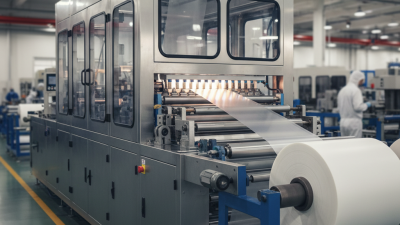
Best PET Coating Machine for Global Buyers in 2026?
In the rapidly evolving world of manufacturing, the demand for advanced technology is undeniable. The PET Coating Machine has gained significant attention among global buyers. Renowned industry expert Dr. Emily Thompson once said, "The success of PET Coating Machines hinges on innovation and adaptation." Her insight reflects the importance of staying current with industry trends.
As manufacturers strive for excellence, choosing the right PET Coating Machine becomes critical. These machines enhance product quality, efficiency, and durability. Organizations must carefully evaluate their options, as not all machines deliver the same results. The market offers a variety of choices, but buyers should focus on reliable brands.
Reflecting on the past can provide valuable lessons. Some buyers have rushed decisions, only to encounter issues later. A thorough understanding of machine specifications and market needs is essential. Investing in the right PET Coating Machine not only boosts production but also strengthens market position.
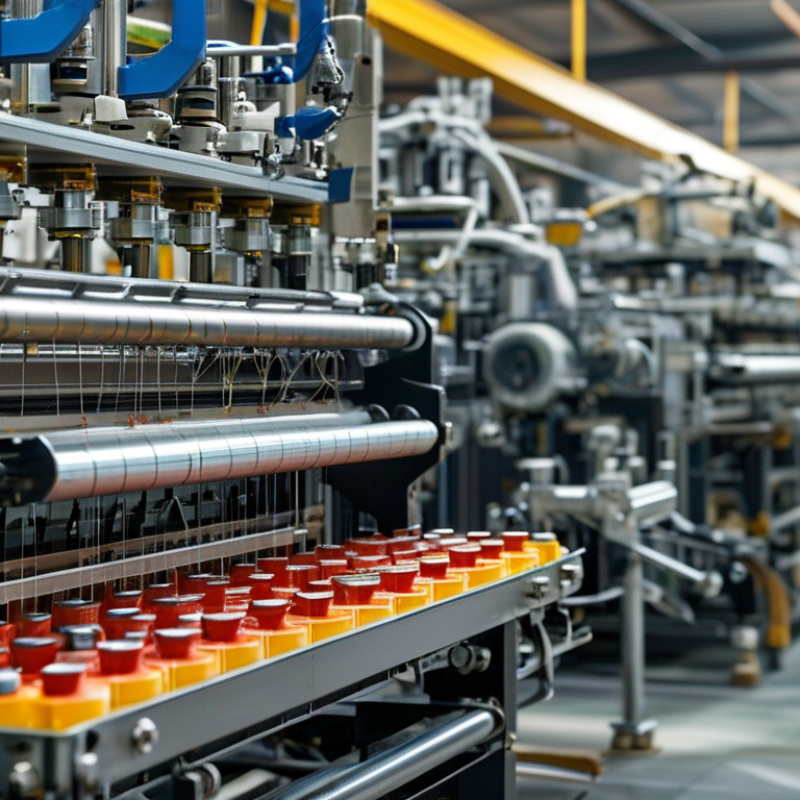
Best PET Coating Machine in 2026: Market Overview and Trends
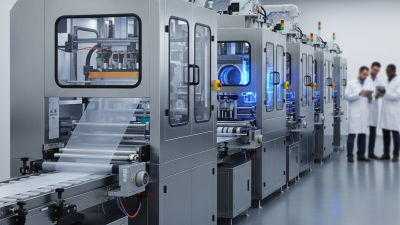
The PET coating machine market is evolving rapidly. In 2026, global buyers will witness significant advancements in technology and efficiency. These machines enhance the durability and appearance of PET products. With rising demand in various industries, manufacturers are focusing on innovation. Improved energy efficiency and greater throughput are key trends. Besides, manufacturers are also adopting automation to reduce labor costs.
Market dynamics are shifting. Buyers seek machines that offer versatile applications. Customization options are increasingly important. Some machines now feature advanced monitoring systems for quality control. However, with innovation comes complexity. Buyers must consider the learning curve for operators. Potential challenges in maintenance and parts availability can also arise.
Sustainability is becoming a priority. Eco-friendly coatings are in demand. However, the cost of these options can be a concern for some buyers. Responsible sourcing of materials should also be on the agenda. As the market grows, companies must balance profit and sustainability goals. This multifaceted landscape requires thoughtful decisions from all players.
Key Features to Consider in PET Coating Machines for Global Buyers
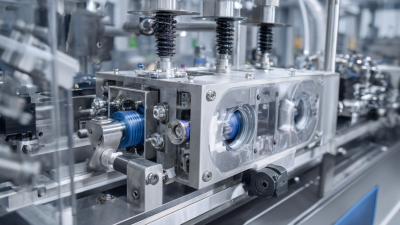
When choosing a PET coating machine, key features matter greatly. Look for machines that offer advanced control systems for precision. These systems enhance coating uniformity, ensuring consistent quality across outputs. Automated settings can streamline operations, reducing manual errors. Remember, reliability is crucial when investing.
Consider the machine’s ability to handle diverse production rates. Flexibility allows you to adapt to changing demands. A versatile machine can save costs over time. Regular maintenance access can keep the machine in top condition, preventing unexpected downtimes. A complicated design might lead to higher maintenance challenges.
Pay attention to energy efficiency as well. Machines that use less energy can lower your operational costs. Efficient models contribute to a greener footprint. Always research reviews and expert opinions before deciding. Some machines may not meet long-term expectations despite promising features.
Tip: Evaluate your specific production needs before selecting a machine. Tailoricating your choice can lead to better outcomes.
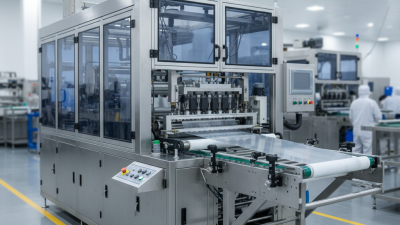
Don't forget to consider safety features. Machines should include emergency stop buttons and safety guards. Ensuring operator safety should be a top priority in your selection process.
Top Manufacturers and Innovations in PET Coating Technology
In the ever-evolving world of PET coating technology, innovations are key. Many manufacturers are focusing on enhancing the durability and efficiency of PET coatings. Advanced machines are now incorporating automation, reducing manual labor and minimizing errors. These improvements lead to higher productivity and more consistent coating applications. The demand for eco-friendly solutions is also rising. Many manufacturers are exploring water-based coatings, offering a greener alternative.
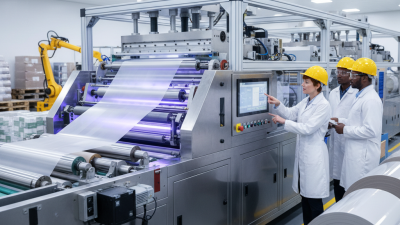
Recent innovations include UV curing systems that speed up drying times and increase output. These systems use less energy and reduce chemical waste. Additionally, some new machines feature advanced sensors for precise coating thickness. This ensures a high-quality finish, which is crucial for customer satisfaction. However, the rapid pace of change presents challenges. Not all companies can keep up with the latest technology. Some may struggle to adapt, leading to inconsistent product quality.
User-friendly interfaces on machines are becoming common. However, this shift can create a reliance on technology. It is essential for operators to retain core skills and knowledge. Balancing technology with human experience is vital for success in this field. As the market grows, buyers must remain discerning, focusing on both innovation and reliable partnerships. The landscape of PET coating is changing rapidly, and staying informed is crucial.
Cost Analysis: Investing in the Right PET Coating Equipment
Investing in PET coating equipment is a significant decision for global buyers in 2026. It requires a thorough cost analysis to ensure the right choice. Understanding upfront and long-term costs is essential. Many factors influence the final price. These include machine type, production capacity, and technology level. Customization options can also impact expenses.
Tips: Evaluate upfront costs versus maintenance costs. Sometimes cheaper equipment leads to higher long-term expenses. Consider training costs for staff. Ensuring your team is skilled can significantly improve efficiency.
Quality matters when selecting coating machinery. A low initial cost can compromise product quality, which could lead to customer dissatisfaction. This aspect is often overlooked. An expensive machine may seem daunting, but it can boost productivity and reduce waste. Researching different technologies is crucial.
Tips: Look for user reviews and industry experts' opinions. They provide insights that raw data can't offer. Don't rush into a decision; reflect on how a machine aligns with your production goals. The right investment can yield long-term benefits that far outweigh the initial costs.
Environmental Impact and Sustainability in PET Coating Processes
The sustainability of PET coating processes is becoming increasingly important. According to a recent industry report, about 20% of plastic waste comes from packaging. Innovations in PET coating technology aim to reduce this impact. Efficient machines can lower energy consumption by as much as 30%, making them a viable option for environmentally-conscious manufacturers.
Material sourcing is another critical factor. Many PET coatings now use bio-based materials, which significantly minimize carbon footprints. Research indicates that shifting to renewable sources can reduce greenhouse gas emissions by 50%. This shift is still in its infancy and requires further exploration. Many producers face challenges in balancing performance with eco-friendliness.
Waste management remains a pressing issue. The recycling rate for PET is currently around 29%, and improving this figure is essential. Some companies are investing in closed-loop systems. This approach helps reduce waste but requires rigorous quality control. Implementing sustainable practices is not just beneficial; it is increasingly becoming a necessity due to regulatory pressures and consumer demand.
Environmental Impact and Sustainability in PET Coating Processes