Best Sheet and Flat Surface Coating Machine for Your Needs?
When selecting the right Sheet and Flat Surface Coating Machine, the decision can be daunting. Numerous factors come into play, including the material type, production volume, and desired finish quality. According to industry reports, the global coating machine market is projected to reach $7 billion by 2026, with a significant demand for high-efficiency systems.
Investing in the proper machinery can significantly affect your output. In a recent survey, 58% of manufacturers reported increased productivity after upgrading to advanced coating machines. However, many still struggle to find a machine that meets their specific production and quality needs. Choosing the wrong equipment can lead to wasted resources and hinder production efficiency.
Interestingly, the transition to automation in the coating industry raises questions about skill adaptation. Many operators need additional training to manage advanced systems. This gap highlights a need for not just better machines but also better training programs. Choosing wisely ensures that you don’t just acquire technology but also the knowledge to utilize it effectively.
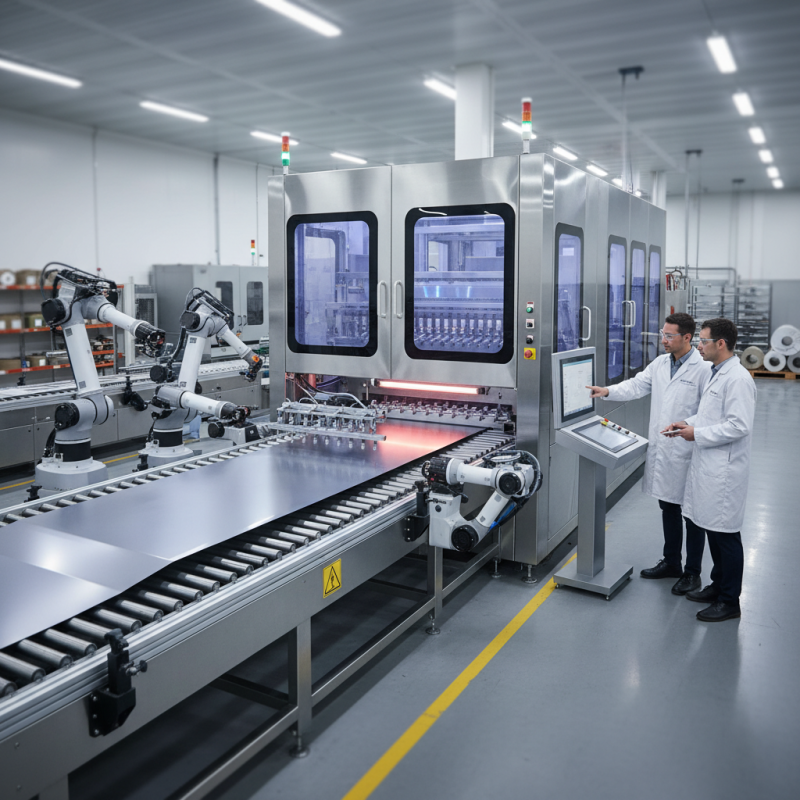
Types of Coating Machines for Sheet and Flat Surfaces
When it comes to coating machines for sheet and flat surfaces, various types are available. These machines cater to different industries and needs. Common types include gravure coaters, roll coaters, and spray coaters. Each of these has unique features that can affect performance and finish quality.
Tips: Consider the material compatibility. Not all machines work well with every type of surface. Choose wisely.
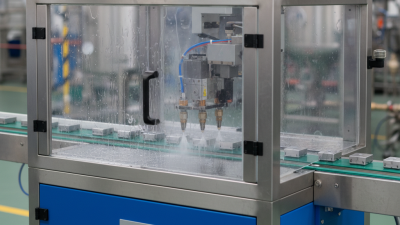
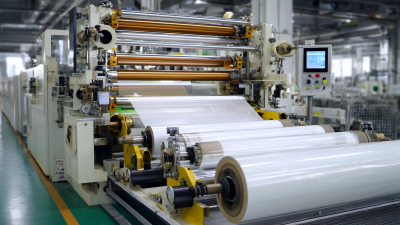
Gravure coaters offer high precision and are suitable for detailed work. Roll coaters, on the other hand, are effective for larger volumes. They apply coating evenly across surfaces. Spray coaters best serve irregular shapes or complex geometries. This flexibility is essential for many applications.
Tips: Test coatings before full production. You may see unexpected results. Adjustments can save you time and materials.
Selecting the right coating machine is crucial. Understand the specific needs of your projects. Analyze the trade-offs in speed, finish, and material usage. Quality does not come without careful planning.
Best Sheet and Flat Surface Coating Machines
Key Features to Consider When Choosing a Coating Machine
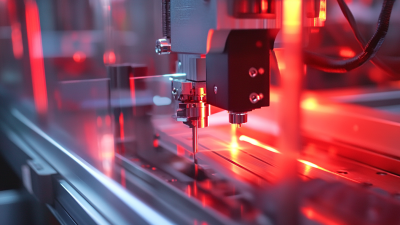
When selecting a sheet and flat surface coating machine, key features can significantly impact your choice. First, assess the type of coatings you need. Different machines cater to various materials, such as wood, metal, or plastic. Consider the application process too. Some machines utilize spray techniques, while others may use rollers or brushes. The method affects both efficiency and finish quality.
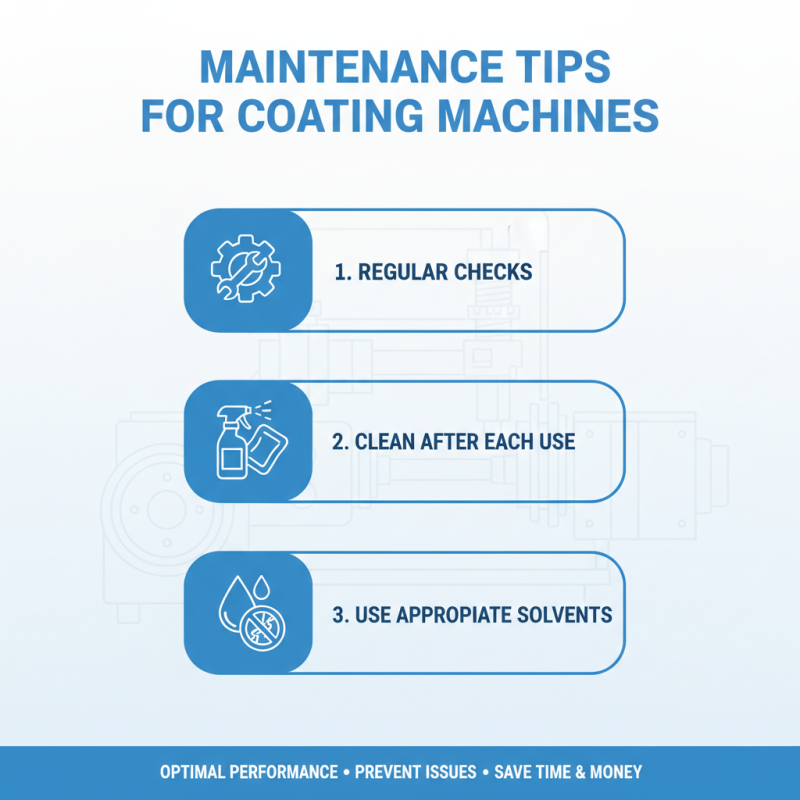
Pay attention to the machine's capacity. If you're working on large projects, a higher throughput is essential. Compact models may be suitable for smaller operations but can limit production. Think about ease of use as well. User-friendly controls and setup help minimize training time. Maintenance is another consideration; machines requiring frequent upkeep can lead to downtime, affecting productivity.
Finally, energy efficiency can impact operating costs. Look for machines that offer environmentally friendly features. Reflect on your long-term needs versus immediate requirements. Sometimes, a more basic model might suffice, while advanced features may benefit larger operations. Balancing these factors will help you find a suitable coating machine for your specific needs.
Best Sheet and Flat Surface Coating Machine for Your Needs?
| Feature |
Description |
Importance |
| Coating Type |
Liquid, Powder, or UV Coatings |
Determines the compatibility with materials and finishing desired. |
| Application Method |
Spraying, Screen Printing, or Roller Coating |
Influences the quality and precision of the coating. |
| Max Sheet Size |
Up to 1000 x 1500 mm or larger |
Essential for handling different project scales. |
| Speed |
Meters per minute of coating application |
Higher speeds increase productivity. |
| Ease of Use |
Control panels, automation features |
User-friendliness reduces training time. |
| Maintenance Requirements |
Frequency and type of maintenance needed |
Lower maintenance leads to less downtime. |
| Cost |
Initial purchase and operating costs |
Affects overall budget and ROI. |
Comparative Analysis of Top Coating Machines on the Market
When searching for the right sheet and flat surface coating machine, it's essential to understand the various options available. Different machines offer distinct features that cater to specific needs. For instance, some models focus on quick drying times, while others emphasize a smooth finish. Users should consider factors such as the types of materials being coated and the intended application.
A comparative analysis of these machines reveals significant differences. One machine may excel in versatility, allowing users to coat a variety of surfaces. Others might offer a specialized process that ensures a flawless application but at a higher cost. It's crucial to weigh these trade-offs. Some users note that high-end machines can be overkill for basic projects, leading to reflections on value versus need.
In addition, safety and ease of use are vital. Certain machines may require extensive training, which can hinder production time. Reflections on user-friendliness can save time in the long run. Selecting the right coating machine isn't just about features; it revolves around practical applications and budget considerations. Each user's situation is unique, and understanding these nuances shapes the best choice.
Future Trends in Sheet and Flat Surface Coating Technologies
The sheet and flat surface coating industry is evolving rapidly. Technological advancements are changing how coatings are applied. Innovations in automation and material science are at the forefront. A recent report predicts that the global market for coating technologies will grow by 7% annually over the next five years. This growth signals a shift in consumer demands and manufacturing capabilities.
One emerging trend is the use of environmentally friendly materials. Water-based coatings are gaining popularity. They reduce harmful emissions and improve safety in production. The use of nanotechnology in coatings is also becoming common. It enhances durability and performance significantly. However, the application of these technologies often presents challenges. Many manufacturers struggle to adapt their existing processes to integrate these new materials effectively.
Another area of focus is the optimization of coating processes. Industry experts emphasize the importance of precision in application. A small deviation can lead to uneven surfaces. This inconsistency affects the final product quality. Companies need to invest in training and technology. This step is crucial for keeping up with the market. Continuous improvement is necessary but often overlooked. Balancing efficiency and quality remains a persistent challenge in the industry.