China Top Hydrogel Coating Machine for Global Buyers?
In recent years, the demand for advanced materials has surged. One notable innovation is the Hydrogel Coating Machine. This cutting-edge technology transforms how various industries utilize hydrogels. Industries such as healthcare, agriculture, and electronics are increasingly adopting these machines. They enhance product performance and durability.
Hydrogel coatings offer unique properties, such as moisture retention and flexibility. Buyers globally are exploring the potential benefits of these machines. However, selecting the right Hydrogel Coating Machine can be challenging. There are various models and specifications available. Each caters to different production needs and scales.
Understanding the features of Hydrogel Coating Machines is crucial. Buyers should assess their requirements before making decisions. While many manufacturers claim to deliver superior products, not all meet industry standards. A little research can lead to better choices. This guide aims to shed light on what to consider when buying a Hydrogel Coating Machine.
Overview of Hydrogel Coating Technology in China
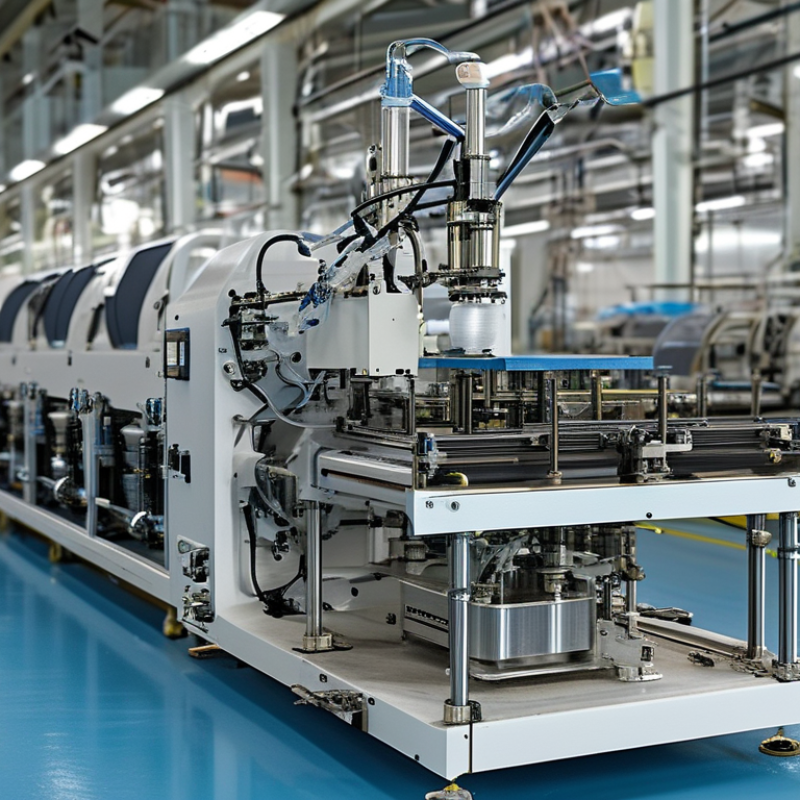
Hydrogel coating technology in China has gained considerable attention. This innovative technique enhances product performance and longevity. Hydrogel coatings offer unique properties such as moisture retention and biocompatibility. They are increasingly used in various industries, including healthcare and agriculture.
Chinese manufacturers focus on research and development. They strive to improve the application processes and material quality. However, challenges remain in achieving consistency across products. Not all machines perform equally well under different conditions. Buyers must carefully assess their needs when selecting equipment.
The future of hydrogel coating in China looks promising. Ongoing advancements in technology can lead to better manufacturing methods. Nonetheless, companies must address existing gaps in quality control. It is essential to foster collaboration among manufacturers, researchers, and end-users. Achieving high standards will require shared expertise and innovation.
Key Features of Top Hydrogel Coating Machines
Hydrogel coating machines are essential for many industries. They apply hydrogels evenly on various surfaces. This feature is critical for ensuring uniform thickness and consistency. Precision in application impacts product performance directly.
One key feature is adjustable speed control. This allows manufacturers to customize the coating process. A slower speed can enhance adhesion and reduce defects. However, slower speeds may lead to lower productivity. Striking a balance is important. Moreover, machine efficiency can be affected by wear and tear over time. Regular maintenance is essential to maintain performance levels.
Another feature to consider is user-friendly interfaces. Operators should easily adjust settings for optimal results. Complex controls can lead to errors. Training staff adequately is crucial, yet it can be a time-consuming endeavor. Additionally, real-time monitoring systems help identify issues early. This proactive approach can prevent waste and save costs. However, incorporating advanced technology sometimes introduces challenges in integration. Balancing technology with practicality is vital for successful operations.
Market Demand and Buyer Preferences Globally
The global market for hydrogel coating machines is evolving rapidly, driven by increasing demand across various sectors. According to a report by MarketsandMarkets, the hydrogel market is projected to reach USD 21.5 billion by 2025, growing at a CAGR of 9.6%. This growth is primarily fueled by the rising demand for advanced coatings in healthcare and electronics.
Buyers are becoming more particular about their requirements. They seek machines that offer flexibility and customization in production. Recent surveys indicate that about 72% of manufacturers prefer equipment that can adapt to varying formulations and environmental conditions. This preference is crucial as it allows businesses to innovate and cater to specific customer needs.
Additionally, the emphasis on sustainability is reshaping buyer preferences. A significant number of buyers are searching for eco-friendly machine options. Reports suggest that 55% of global buyers prioritize environmentally conscious production methods. This trend demonstrates a shift toward using machines that lower the carbon footprint while enhancing productivity. However, many manufacturers struggle to balance efficiency with sustainability, highlighting areas for improvement in technology and processes.
Leading Manufacturers of Hydrogel Coating Machines in China
Hydrogel coating machines have become essential for various industries. China stands out as a leader in manufacturing these advanced machines. The demand for hydrogel coatings is growing rapidly. Many industries, such as medical and cosmetics, require precise and efficient coating solutions.
Leading manufacturers in China focus on innovation and quality. They invest in research and development to enhance machine performance. Some machines offer automated processes, improving efficiency and reducing human error. However, challenges exist in ensuring quality control during production. Manufacturers must regularly evaluate their processes to maintain high standards.
Buyers should consider several factors when choosing a supplier. Understanding machine capabilities is crucial. It’s also important to assess after-sales support and service. Not all manufacturers provide equal support, which can affect operations in the long run. Collaboration with reliable suppliers ensures a smoother experience in implementing hydrogel coating technology.
Future Trends in Hydrogel Coating Technology for Global Markets
Hydrogel coating technology is evolving rapidly. This advancement is crucial for a variety of industries, including healthcare, agriculture, and electronics. As demand grows, manufacturers are focusing on sustainable materials. They aim to reduce environmental impact while enhancing product performance.
In recent years, innovations have led to improved adhesion and flexibility. These benefits are vital for medical applications, such as wound care and drug delivery systems. However, finding the right balance between durability and biocompatibility remains a challenge. Some manufacturers are struggling to meet stringent regulatory standards, which can impact acceptance in global markets.
Future trends indicate a shift toward smart hydrogels. These responsive materials can adapt to environmental changes. They could revolutionize how coatings function in real-time. Yet, there is still much to learn about their long-term stability. Market players must continually assess their approaches to stay competitive. Addressing these challenges requires collaboration across industries and expertise in material science.
China Top Hydrogel Coating Machine for Global Buyers? - Future Trends in Hydrogel Coating Technology for Global Markets
| Machine Model |
Coating Width (mm) |
Production Speed (m/min) |
Power (kW) |
Application Field |
| HG-100 |
200 |
50 |
15 |
Medical, Pharmaceutical |
| HG-200 |
300 |
80 |
20 |
Cosmetic, Personal Care |
| HG-300 |
500 |
100 |
30 |
Agricultural, Industrial |
| HG-400 |
400 |
60 |
25 |
Food Preservation, Packaging |
| HG-500 |
600 |
90 |
35 |
Biomedical, Electronics |