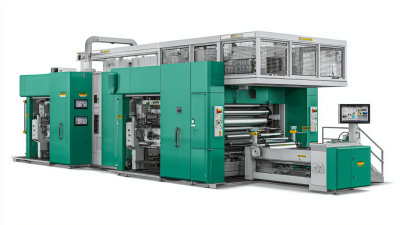
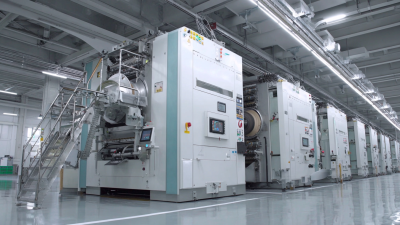
Why Choose Hot Melt Coating Machine for Your Business Needs?
In today's competitive manufacturing landscape, selecting the right machinery is crucial. The Hot Melt Coating Machine emerges as a key player in enhancing product quality and production efficiency. According to a recent industry report, the global demand for hot melt coatings is projected to reach USD 9.6 billion by 2025, indicating a growing trend among businesses to adopt innovative solutions.
Utilizing a Hot Melt Coating Machine allows for precise and uniform application of coatings. This technology reduces waste and enhances adhesion, which can lead to significant cost savings. The efficiency of hot melt applications can improve production speed by up to 30%. However, it is essential to consider the initial investment and operational costs carefully.
Businesses must reflect on their specific needs before making a decision. While the Hot Melt Coating Machine offers numerous advantages, evaluating factors such as material compatibility and production volume is vital. This thoughtful approach can pave the way for informed choices that align with long-term business goals.
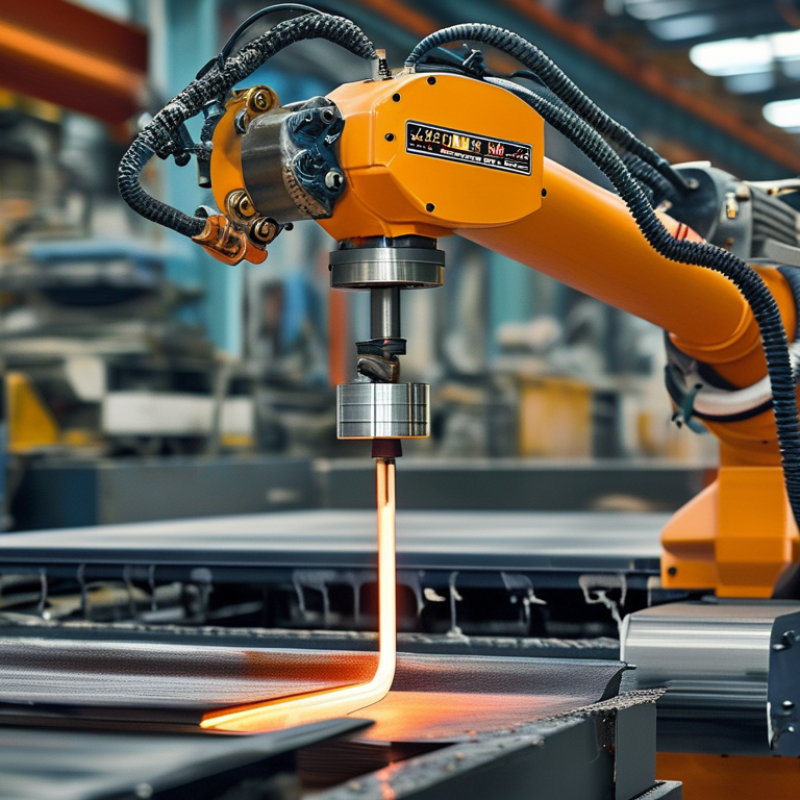
Understanding Hot Melt Coating Technology and Its Applications
Hot melt coating technology is gaining traction in various industries for its efficiency and versatility. This technology involves the application of thermoplastic adhesives, which solidify upon cooling. It is widely used in packaging, textiles, and automotive sectors. According to a market report, the hot melt adhesive market is projected to reach USD 9 billion by 2025, reflecting a growing demand. Companies are adopting this technology for its ability to bond materials effectively without solvents or water.
Tips: Always assess your production needs before investing. Different applications may require different hot melt formulations.
In packaging, hot melt coatings provide excellent moisture and chemical resistance. In textiles, they enable flexible, durable adhesion without compromising fabric characteristics. The automotive sector benefits from reduced weight and improved fuel efficiency by using lightweight materials bonded with hot melt adhesives. However, before switching, businesses should consider handling properties and application techniques.
Tips: Test various adhesives in small batches. This can help pinpoint the best solution for your specific application.
Advantages of Using Hot Melt Coating Machines for Businesses
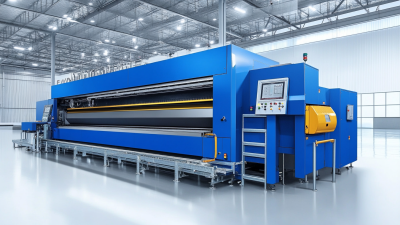
Hot melt coating machines offer numerous advantages for businesses looking to enhance their production process. These machines are designed to apply thermoplastic materials effectively, ensuring a seamless coating that adheres firmly to various substrates. This technology has grown popular in numerous industries, including packaging, textiles, and automotive manufacturing. The ability to achieve a consistent and robust finish means that production quality can improve significantly.
One key benefit of using hot melt coating machines is their efficiency. The rapid solidification of the coating allows for faster production speeds. Workers can spend less time waiting for materials to dry or cure, optimizing operational throughput. Additionally, these machines are easy to integrate into existing workflows, requiring minimal adjustments. However, it is crucial for companies to assess their specific needs and potential challenges, as not all applications may benefit uniformly from this technology.
Another notable aspect is the versatility of hot melt coatings. They can provide protective, decorative, or functional finishes, catering to a wide range of applications. This flexibility empowers businesses to innovate and meet varying market demands. Companies should evaluate their material choices carefully, as some hot melts may not perform equally under different conditions. Understanding these nuances is essential before fully committing to a specific solution.
Key Features to Look for in a Hot Melt Coating Machine
When considering a hot melt coating machine for your business, understanding its key features is crucial. One essential aspect is the machine's temperature control system. Precise temperature management ensures consistent application. According to market reports, improper temperature regulation can lead to a 30% increase in material waste. This is crucial for manufacturers aiming for efficiency.
Another important feature is the adaptability of the machine. Look for models with adjustable coating speeds. Different products require different application rates. Industry studies suggest that machines with variable speed control can improve production rates by up to 25%. Additionally, flexibility in adjusting thickness is vital. A one-size-fits-all approach can result in inconsistent quality.
Reliability is a critical element as well. Machines equipped with advanced diagnostics can minimize downtime. Research shows that unexpected breakdowns can cost businesses over $65,000 annually. Investing in equipment with comprehensive monitoring can reduce these risks. It's essential to weigh all these features carefully. You may encounter machines that promise much but underdeliver. Prioritizing the right specifications is key to meeting business needs effectively.
Comparative Analysis: Hot Melt Coating vs. Other Coating Methods
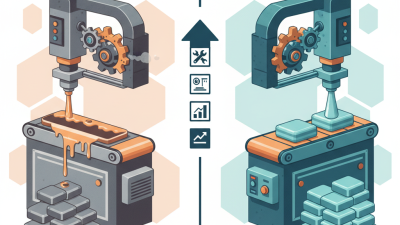
The choice between hot melt coating and other coating methods can significantly impact efficiency. Hot melt coating technology offers advantages that traditional methods, like solvent-based coatings, struggle to match. For example, hot melt processes eliminate volatile organic compounds (VOCs), aligning with industry regulations. According to a 2022 report by the Environmental Protection Agency, up to 15% of coated surfaces experience VOC pollution. In contrast, hot melt coatings operate with lower emissions.
Speed is another critical factor. Hot melt processes usually require shorter drying times, enhancing production rates. Data from a recent industry analysis revealed that businesses using hot melt technology reported a 30% increase in processing speed compared to solvent-based applications. This efficiency can lead to a quicker turnaround, meeting customer demands more effectively. However, hot melt applications may require careful temperature control, posing challenges during colder months.
Durability and adhesion strength are key benefits of hot melt coatings. Industry studies show that these coatings often outperform in tensile strength tests against other methods. This resilience results in lower maintenance costs over time. Still, businesses must consider equipment costs. While hot melt machines can be more expensive initially, they may offer long-term savings through reduced downtime and waste. Balancing these factors can be complex but crucial for successful implementation.
Why Choose Hot Melt Coating Machine for Your Business Needs? - Comparative Analysis: Hot Melt Coating vs. Other Coating Methods
| Coating Method |
Application Speed |
Durability |
Cost Efficiency |
Environmental Impact |
Flexibility |
| Hot Melt Coating |
Fast and efficient |
Highly durable |
Cost-effective for bulk |
Low VOC emissions |
Versatile for different substrates |
| Liquid Coating |
Moderate speed |
Good but varies by formula |
Higher material costs |
Higher VOC emissions |
Limited flexibility |
| Powder Coating |
Slow curing times |
Very durable |
Cost-effective for large runs |
Low emissions |
Limited to specific applications |
| Spray Coating |
Quick application |
Varies widely |
Higher cost for materials |
Potential high VOC emissions |
Very flexible but requires skilled labor |
Case Studies: Successful Implementation of Hot Melt Coating Machines
Hot melt coating machines have been transformative in various industries. Studies show that companies leveraging these machines have reported up to 30% increases in production efficiency. A major advantage is their ability to apply consistent coatings, ensuring product quality. For instance, a packaging company reduced waste by 25% after implementing hot melt technology, showcasing clear financial benefits.
In the automotive sector, manufacturers find hot melt coatings essential for parts that require adhesive properties. By enhancing bonding strength, these machines contribute to durability and safety. However, not all implementations are perfect. Some companies encounter challenges in adjusting machine settings for different materials. This can lead to inconsistencies, which in turn affects output quality.
Tips: Ensure thorough training for your team to avoid common pitfalls. Regular maintenance checks can prevent unexpected downtimes. A study found that organizations investing in training see a 20% reduction in operational errors. Embracing feedback from production staff is essential to fine-tune the process, enabling continuous improvements.
Why Choose Hot Melt Coating Machine for Your Business Needs?