Why Choose a Transfer Coating Machine for Your Production Needs?
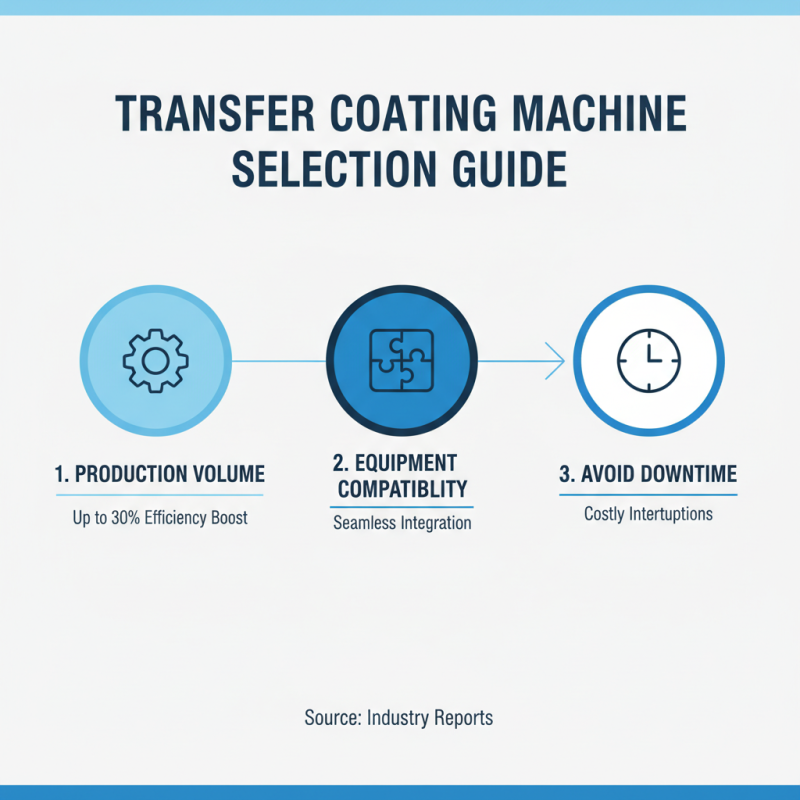
In today's competitive manufacturing landscape, choosing the right equipment is critical. A Transfer Coating Machine offers unique advantages that can enhance production efficiency. According to a recent report from the Global Manufacturing Coalition, the use of advanced coating techniques can increase productivity by up to 30%. This statistic highlights the importance of adopting modern technology in manufacturing processes.
Expert in the field, Dr. Emily Carter, states, "A Transfer Coating Machine enables manufacturers to achieve higher quality finishes consistently." Her insights reflect a growing trend among manufacturers looking to invest in versatile and efficient machinery. The consistent output from these machines can significantly reduce material waste, which is an essential factor in maintaining sustainability.
However, potential buyers must consider their specific needs and production goals. While the benefits are evident, each manufacturing environment is unique. There may be challenges in integration or cost implications that require thoughtful reflection. Navigating these complexities is crucial for leveraging the full potential of a Transfer Coating Machine in any production line.
Understanding Transfer Coating Machines and Their Functionality
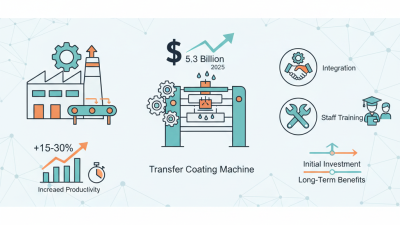
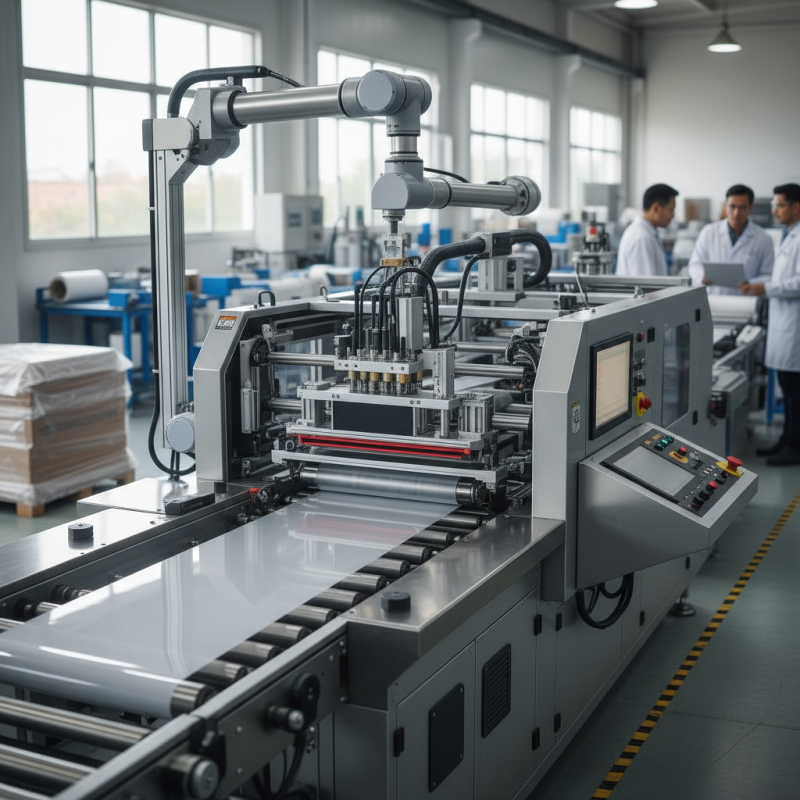
Transfer coating machines play a critical role in various industries. They are designed to apply coatings in a precise manner, enhancing both efficiency and quality. According to a report by MarketsandMarkets, the global market for these machines is projected to reach over $1 billion by 2025. This growth highlights the increasing demand for advanced coating solutions across sectors, including automotive and electronics.
Understanding their functionality is crucial. Transfer coating machines utilize a unique process that ensures even application, minimizing waste. A study published in the Journal of Coating Technology found that these machines can reduce coating material usage by up to 30% compared to traditional methods. This not only lowers production costs but also benefits the environment. However, it is essential to consider setup times and maintenance challenges. Regular maintenance is required to ensure optimal performance, and the initial setup can be time-consuming.
These machines are versatile, handling various substrates and coatings. They can adapt to different production needs, yet operators must be trained to maximize their potential. Misalignment or improper settings can lead to defects that affect product quality. In this evolving landscape, staying informed about technology updates is necessary to leverage these machines effectively.
Production Efficiency of Transfer Coating Machines
This chart illustrates the production efficiency of different transfer coating machines, showcasing how they compare in terms of operational performance. A higher percentage indicates greater efficiency in production processes.
Key Benefits of Using Transfer Coating Machines in Manufacturing
Transfer coating machines have become essential in modern manufacturing. Their versatility makes them suitable for various production needs. According to a recent industry report, these machines can enhance productivity by up to 30%. This significant improvement stems from their ability to apply thin, uniform layers of coating efficiently. Manufacturers can achieve consistent quality while reducing waste.
One key benefit of transfer coating machines is their flexibility. They can be adjusted for different materials and coating types. This adaptability allows manufacturers to respond quickly to changing demands. Industry data indicates that manufacturers who utilize these machines can lower production costs by about 15%. This translates to more competitive pricing and potential for increased market share.
Tip: Regular maintenance is crucial for optimal performance. Neglecting this can lead to inefficiencies and increased downtime. It is also vital to train staff adequately on machine operation. Proper training reduces errors and promotes faster production rates. As technologies evolve, manufacturers must stay informed about the latest advancements in transfer coating methodologies to remain competitive.
Comparative Analysis of Transfer Coating Machines vs. Traditional Methods
When evaluating production methods, the choice between transfer coating machines and traditional methods becomes critical. Transfer coating technology can increase efficiency by up to 30%, according to an industry report from the Coating Manufacturers Association. Traditional methods often rely on manual application, which is time-consuming and prone to error. In contrast, a transfer coating machine automates the process, leading to consistency and higher quality in finished products.
Efficiency also plays a significant role in cost reduction. A study from the International Journal of Manufacturing Science indicates that factories using transfer coating technology reduce material waste by nearly 25%. This is crucial in industries where margins are tight. The precision of transfer coating minimizes excess, which can significantly impact overall production costs. However, it’s essential to recognize that transitioning to a transfer coating system requires initial investment and a learning curve for staff.
While transfer coating machines offer numerous advantages, challenges persist. For instance, maintenance and setup can be daunting for smaller operations. Some businesses struggle to integrate new technology into established workflows. Understanding these nuances is key, as not every plant may be ready for a complete overhaul. Reflecting on these points is vital for making informed choices in production strategies.
Real-World Applications of Transfer Coating Technology in Various Industries
Transfer coating technology has gained traction across various industries. From automotive to electronics, this method provides numerous advantages. It involves applying a coating layer onto surfaces quickly and efficiently. This technique enhances durability and reduces production time.
In the automotive sector, transfer coating machines are used for protective finishes. These coatings shield vehicles from environmental damage and wear. The electronics industry also benefits significantly. Sensitive components receive extra protection, ensuring longevity and performance. This method guarantees precision application, reducing waste and costs.
**Tip:** Evaluate your production volume before investing. A higher volume can justify the initial cost.
Another area of application lies in textiles. Transfer coatings can embed patterns or colors into fabric, enhancing aesthetics. This process allows for a unique textile design without compromising durability. However, not every fabric suited for transfer coating. Careful selection is crucial for ensuring quality results.
**Tip:** Always test samples before full-scale production to prevent costly errors.
Why Choose a Transfer Coating Machine for Your Production Needs?
| Industry |
Application |
Benefits |
Typical Materials |
| Automotive |
Interior Panels Coating |
Enhanced Aesthetics, Durability |
Plastic, Vinyl |
| Electronics |
Circuit Board Coating |
Moisture Protection, Improved Performance |
Epoxy, Polyurethane |
| Textiles |
Waterproofing Fabrics |
Increased Longevity, Versatility |
Cotton, Polyester |
| Aerospace |
Surface Protection |
Weight Reduction, Corrosion Resistance |
Aluminum, Composite Materials |
| Furniture |
Finishing Wood Surfaces |
Aesthetic Appeal, Scratch Resistance |
Wood, MDF |