Top Tips for Choosing a Film Coating Machine for Your Needs?
Choosing the right film coating machine is crucial for optimizing production efficiency. The global film coating market is expected to grow at a CAGR of 5.3% from 2021 to 2028. This growth highlights the importance of selecting the right equipment to meet evolving industry needs.
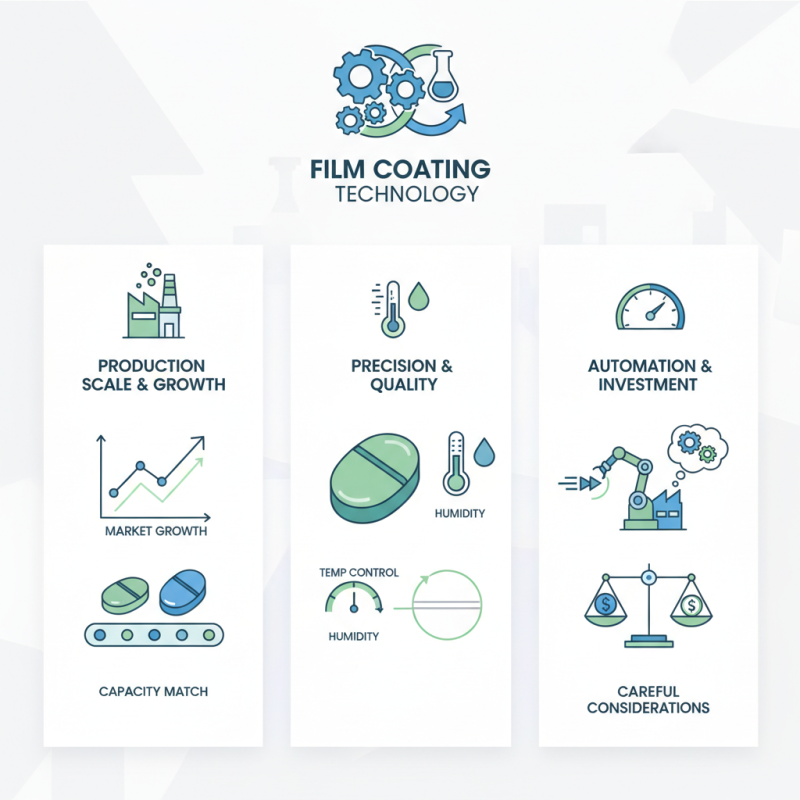
Understanding your project requirements is key. A suitable film coating machine should match your production scale and product specifications. For example, tablet coating applications often require precise control over parameters like temperature and humidity. Yet, many businesses overlook these details, resulting in subpar product quality.
Moreover, different machines offer varying levels of automation and speed. An ideal choice balances cost-effectiveness and performance. However, companies may rush decisions, leading to regrettable investments. Therefore, it’s essential to reflect on all operational aspects before making a purchase.
Factors to Consider When Selecting a Film Coating Machine
When selecting a film coating machine, consider various essential factors. First, assess the machine's capacity. Think about the volume of products you need to coat. Ensure it aligns with your production goals. A smaller machine might struggle with large batches. Meanwhile, a larger model can waste resources on small tasks.
Another crucial aspect is the coating material compatibility. Different machines work well with specific materials. Research which coatings you plan to use. Some machines handle liquids better, while others excel with powders. Test your preferred materials on the machine, if possible.
Lastly, keep in mind user-friendliness. You want a machine that operators can handle without extensive training. Complex settings can slow down production. Ideally, it should have clear controls and straightforward maintenance requirements. Look for features that simplify the process, reducing human error and downtime. Always remember, an inefficient machine can cost more in the long run.
Understanding Different Types of Film Coating Technologies
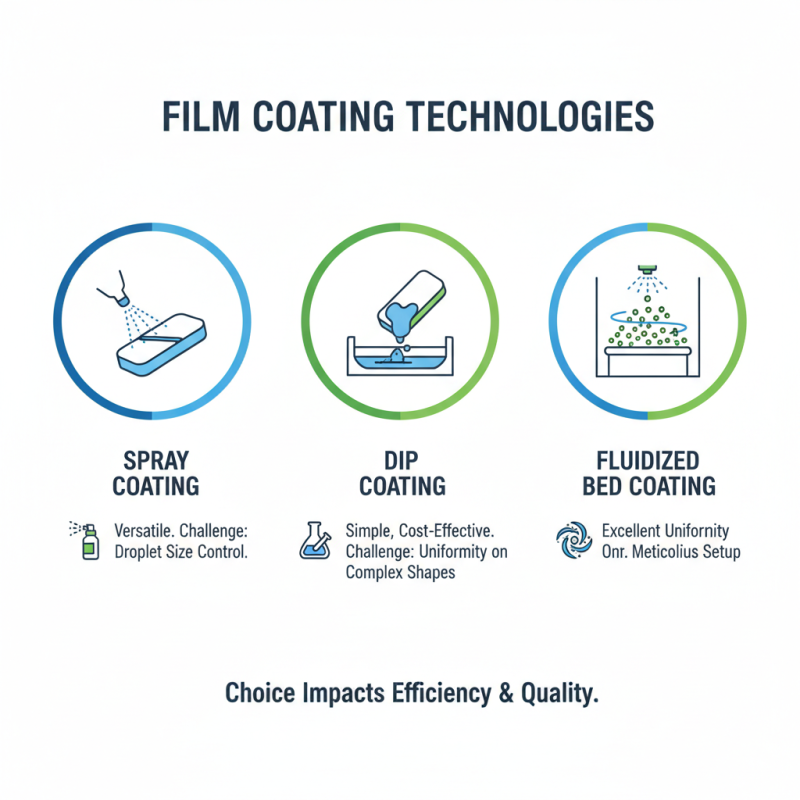
When exploring film coating technologies, understanding the various types is essential. The choice of technology can significantly impact production efficiency and product quality. For instance, there are spray coating, dip coating, and fluidized bed coating methods. Each has distinct advantages and challenges. Spray coating is versatile, but controlling droplet size can be complex. Fluidized bed coating offers excellent uniformity, yet requires meticulous setup.
Recent industry reports indicate that the global film coating market is projected to reach $9 billion by 2026. This growth is driven largely by advancements in formulation technologies. A case study revealed that a switch from dip coating to spray coating reduced cycle time by 25%. However, this transition requires retraining staff and fine-tuning equipment settings.
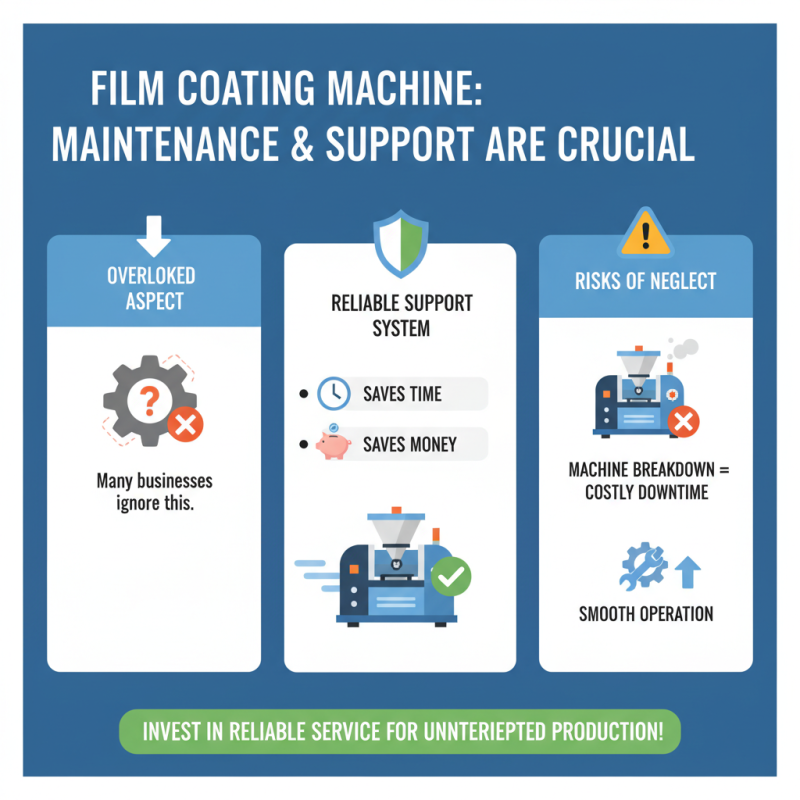
Companies often overlook the necessity of regular maintenance. A recent survey highlighted that 40% of operators reported unscheduled downtime due to neglected equipment. Innovations in automation can reduce this risk, but they come with a learning curve. Investing in training and maintenance is crucial for maximizing the benefits of new technologies. Assessing the production environment will help determine the suitable coating method. Balancing efficiency and cost will lead to optimal choices for specific needs.
Evaluating Production Capacity and Speed Requirements
When selecting a film coating machine, understanding your production capacity and speed requirements is crucial. Industry reports indicate that production speed can greatly affect overall efficiency. For example, machines that operate at 300 grams per minute are ideal for medium-sized operations. However, for high-volume manufacturers, a speed of 600 grams per minute might be necessary. This difference in speed can significantly impact the bottom line.
It’s also important to consider the expected output. If you require 500 kg per day, a machine with slower speeds might create bottlenecks. Additionally, production needs can fluctuate. Some manufacturers face variability in demand, leading to under-utilization of equipment. Choosing a machine that offers flexibility in speed can mitigate this issue.
Yet, it's essential to reflect on your specific needs. A faster machine may seem appealing, but it might not be worth the investment if your production volume doesn't warrant it. Upfront costs and operational efficiency must align with your long-term production goals. Effective decision-making involves weighing immediate speed against overall productivity.
Material Compatibility and Coating Thickness Specifications
Choosing the right film coating machine involves understanding material compatibility and coating thickness specifications. These factors are crucial for achieving desired results in different applications. According to a recent industry report, over 40% of coating failures arise from incompatible materials. Properly assessing compatibility helps prevent costly errors and rework.
Coating thickness can vary significantly based on the application. A range of 1 to 10 microns is commonly used in many industries, but some applications may require thicker coats. The desired thickness must align with the material properties and expected performance. Research shows that films with inadequate thickness can lead to premature failure and decreased product lifespan.
It's essential to experiment with different settings. Testing on a smaller scale can reveal nuances in how materials interact. Documenting these trials is important, as it provides data for future decisions. A machine might fulfill technical specifications but still underperform if the selected coating parameters aren't optimal. Balancing these details ensures effective coating processes while minimizing risks.
Film Coating Machine Specifications Comparison