Why Choose a Flexible Circuit Board Coater for Your Projects?
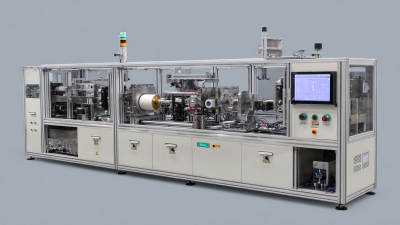
In the rapidly evolving world of electronics, the use of a Flexible Circuit Board Coater is gaining prominence. Daniel Chen, an industry expert at FlexTech, emphasizes its importance: "The right coater transforms the efficiency of your production line." This highlights the critical role that these machines play in modern manufacturing.
Flexible circuit boards are becoming integral to various applications. They support innovation in mobile devices, wearables, and medical technology. Choosing the right Flexible Circuit Board Coater can enhance product quality and reduce lead times. However, it's essential to consider the machine's adaptability to different materials and designs.
While these coaters offer significant advantages, they also require careful selection. Not all models meet the diverse needs of every project. Potential users should assess their specific requirements. After all, the best solutions often stem from thoroughly understanding both capabilities and limitations. Investing in a flexible coater can be a game-changer, but due diligence is key.
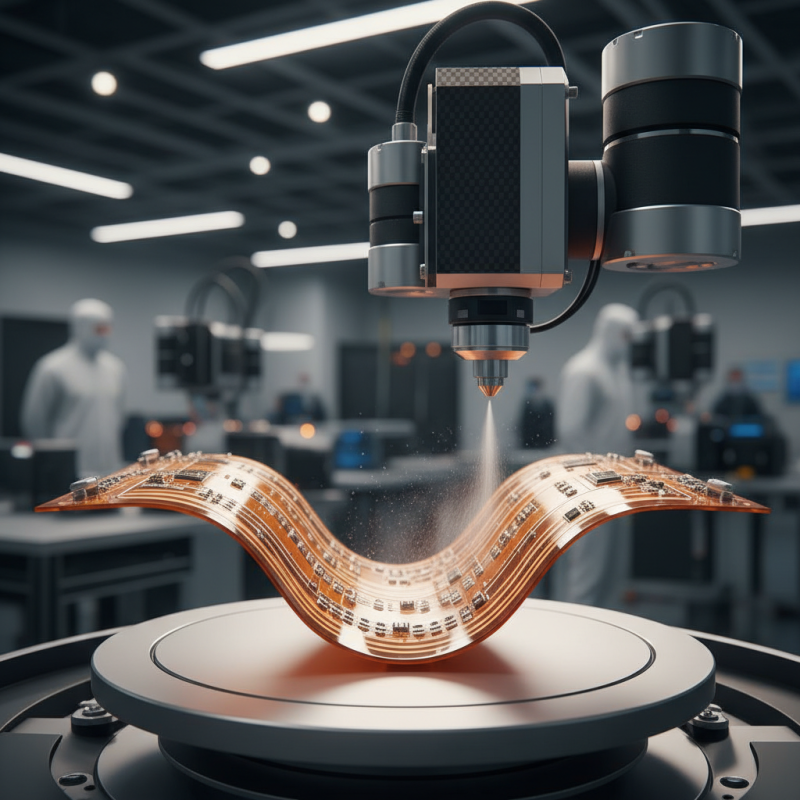
Understanding Flexible Circuit Boards and Their Benefits
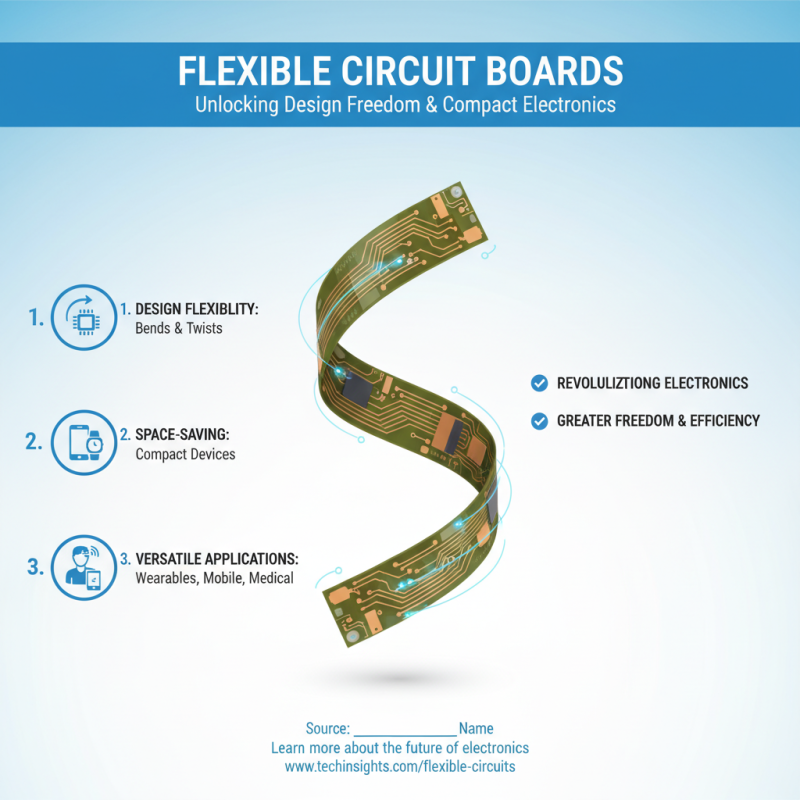
Flexible circuit boards are revolutionizing the electronics industry. They offer greater design freedom and can fit into compact spaces. Unlike traditional rigid boards, flexible circuits can bend and twist. This makes them ideal for wearable tech, mobile devices, and other applications where space is limited.
One key benefit of flexible circuit boards is their lightweight nature. This reduces the overall weight of electronic devices, making them more portable. Moreover, flexible circuits are durable. They can withstand stress and are less prone to damage during movement. However, manufacturing these boards requires precision and expertise. Incorrect handling can lead to failures in performance.
Choosing a flexible circuit board coater is crucial. It ensures that the circuit is protected against environmental factors. The coating enhances longevity and reliability. Yet, not all coatings are created equal. Selecting the right type is important. It requires careful consideration of the specific project needs, which can be challenging. Understanding these factors can significantly impact the success of your projects.
Key Features of Flexible Circuit Board Coaters
When selecting a flexible circuit board coater, understanding its key features is crucial. One main feature is its adaptability. Flexible circuit board coaters are designed to accommodate a variety of materials and substrates. This flexibility allows for seamless integration into different manufacturing processes. According to a recent market analysis, the flexible circuit market is projected to grow significantly, reaching USD 14 billion by 2026. This increase highlights the growing demand for advanced coating technologies.
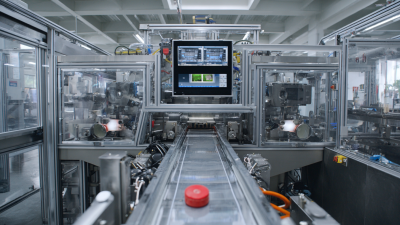
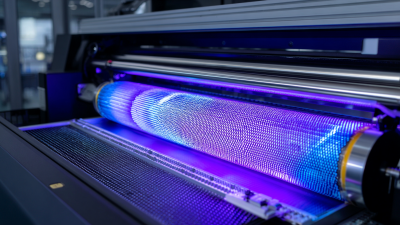
Another essential aspect is precision application. High-quality coaters can ensure even distribution of coatings. This capability minimizes waste and enhances the reliability of the circuits. Technologies like automated dispensing and UV curing improve the application process. Reports show that innovative coating techniques can improve circuit durability by up to 30%. With the right tools, manufacturers can achieve better performance outcomes.
Tip: Always evaluate the size and scalability of your selected coater. Not all projects require the same equipment. Choose one that matches your production scale for optimal efficiency.
Tip: Regular maintenance of the coater is vital. Neglecting upkeep can lead to inconsistent applications, which can impact product quality negatively. Keeping your equipment in top shape is crucial for long-term success.
Flexible Circuit Board Coater Features and Their Importance
How Flexible Coaters Enhance Production Efficiency
Flexible circuit board coaters are transforming production efficiency. These machines simplify the application of coatings on complex geometries. They allow for precise control over thickness, improving reliability in electronic devices. By minimizing waste during the coating process, manufacturers can save both materials and time.
One of the key advantages of flexible coaters is their adaptability. They can handle various substrates and coatings, making them suitable for different projects. However, choosing the right parameters requires careful consideration. Over-application of coating can lead to issues, such as increased weight and reduced flexibility. It is essential to find the optimal settings for each specific application.
Flexible coaters also enhance speed in production lines. The quick set-up times and automated features reduce downtime. Nevertheless, this reliance on automation can sometimes overlook human insight. Regular training and feedback can improve the efficiency of operators. It's a balance between technology and human skill that ultimately drives success.
Comparing Flexible Coaters to Traditional Coating Methods
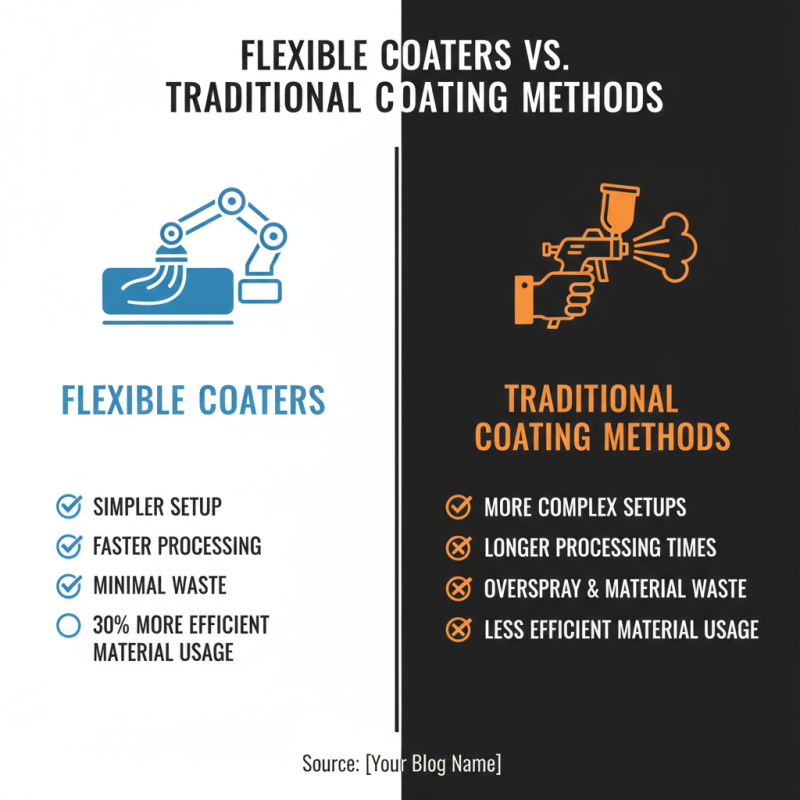
When comparing flexible coaters to traditional coating methods, several key differences emerge, influencing project outcomes. Traditional methods often require more complex setups and longer processing times. For example, using spray coatings may lead to overspray and material waste, while flexible coaters minimize these issues, resulting in up to 30% more efficient material usage.
Flexible circuit board coaters offer precise control over application thickness, delivering results that can meet tight tolerances. According to the IPC's 2021 report, the average defect rate in traditional coating can reach 15%. This highlights a growing need for reliable alternatives. In contrast, flexible coaters have shown to reduce defects by 50%, demonstrating a significant advantage for manufacturers aiming for high quality.
However, the transition to flexible coaters isn't without challenges. Workers may require training to adapt to new technologies, and the initial investment in advanced equipment could be higher. Understanding these hurdles is crucial. Ultimately, the choice between these methods lies in weighing efficiency against the need for specialized training. Consistent evaluation will help businesses align their strategies with the demands of modern manufacturing.
Applications and Industries Benefiting from Flexible Board Coating
Flexible circuit board coating plays a vital role across various applications and industries. In the automotive sector, these coated boards enhance reliability in harsh conditions. Research indicates that 35% of electronics failures in vehicles can be attributed to environmental factors. Coating protects against moisture, heat, and vibrations, leading to longer lifespans for components.
In medical devices, flexible coatings are crucial. A recent report from an industry analyst noted a 22% increase in demand for flexible printed circuits in medical applications. These circuits are often used in wearables and implantable devices. Coating improves biocompatibility and ensures safety in critical applications. However, there remain challenges in balancing material properties and manufacturability.
The aerospace industry also sees significant benefits from flexible circuit board coating. These circuits reduce weight without sacrificing performance. An estimated 40% weight reduction can be achieved through advanced coating technologies. Yet, the evolving regulations can complicate the application process. Adapting to such regulations requires ongoing training for professionals in the field. This highlights the importance of continuous learning and adaptation within the industry.