How to Choose the Best Micro-gravure Coating Machine?
Choosing the right Micro-gravure Coating Machine can significantly impact your production efficiency. Industry expert Dr. Jane Smith emphasizes, "Selecting the right machine is crucial for quality output." Her words reflect the importance of understanding your specific needs in this specialized sector.
When considering a Micro-gravure Coating Machine, there are various factors to ponder. It's not just about the latest technology or the best brand. You must evaluate the machine's compatibility with your materials and the scale of production. Many companies overlook these details, resulting in suboptimal performance and wasted resources.
It's essential to reflect on your production goals and the specific requirements of your projects. A machine that excels in one area may fall short in another. Take the time to consult with industry experts. Their experiences can provide valuable insights, guiding you toward the most suitable Micro-gravure Coating Machine for your operations.
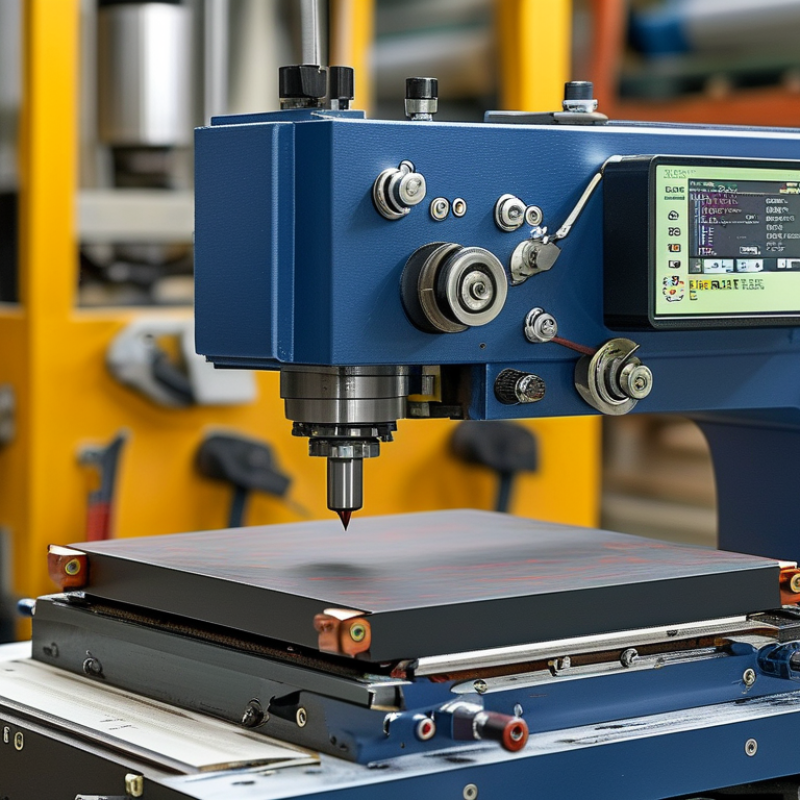
Understanding Micro-gravure Coating Technology and Its Applications
Micro-gravure coating technology represents a significant advancement in the field of surface coatings. It utilizes a fine engraving process which allows for precise and uniform application of coatings. This method is effective for various materials, including plastics, paper, and metals. Users often appreciate its ability to produce coatings that enhance durability and aesthetics. The level of detail achieved can be remarkable, providing intricate patterns and finishes.
Applications of micro-gravure coating technology are vast. Industries such as packaging, electronics, and textiles benefit greatly from this technology. For packaging, it allows for vibrant and detailed graphics on surfaces, making products visually appealing. In electronics, it ensures that coatings protect sensitive parts without adding bulk. However, challenges remain with consistency and quality control during production. Sometimes, the engraving process may produce variations, which can affect the final product.
Understanding the nuances of micro-gravure coating is essential. It requires expertise in both technology and materials. Not all machines perform the same. Users must evaluate specific needs and the desired outcomes. Experimentation may be necessary to find the perfect match. A deeper comprehension of the technology ensures more reliable results and minimizes potential issues. Choices made today can influence the success of future applications.
Key Factors to Consider When Selecting a Micro-gravure Coating Machine
Choosing the right micro-gravure coating machine requires careful consideration of several key factors. Start with the machine's capacity and speed. A machine that runs quickly might seem appealing, but it must also match your production needs. Take note of the material compatibility. Not all machines handle every type of substrate effectively. Ensure the machine you select can work with the specific materials you use.
Another crucial aspect is the technology behind the machine. Different technologies offer varying levels of precision and control. Look for features that enhance user experience, like adjustable settings or user-friendly interfaces. Maintenance costs should also factor into your decision. Machines that seem less expensive at first glance might incur higher upkeep over time.
Think about the machine's footprint and energy consumption. A compact design can save space, but it may affect output. Energy-efficient models can lower your operational costs. Lastly, evaluate the manufacturer's support and warranty. Reliable customer service can be invaluable when facing unexpected issues. Finding the right balance among all these factors can be challenging, but it is essential to avoid hasty decisions.
Evaluating Machine Features: Speed, Precision, and Flexibility
When evaluating micro-gravure coating machines, speed is a critical factor.
Faster machines can increase production efficiency. However, higher speeds may come at the cost of precision. It's essential to find a balance between speed and the quality of the coating.
Machines that rush may lead to uneven layers or defects. This aspect requires careful consideration and testing.
Precision is another significant feature.
A precise machine can produce consistent results across different batches. Inconsistent application can lead to product waste. Users should assess how well the machine maintains accuracy under various conditions.
Tracking and adjusting precision settings can be cumbersome. Yet, it is vital for maintaining quality.
Flexibility in application is equally important.
A versatile machine can handle various substrates and coating materials. Limited adaptability can hinder production options.
During evaluation, consider how easily the machine can switch between tasks. Machines that require frequent recalibration might stall productivity.
Therefore, weigh each feature carefully to make an informed choice.
Comparing Different Brands and Models of Micro-gravure Coating Machines
Choosing the right micro-gravure coating machine involves careful evaluation of various brands and models. When comparing options, consider the specific features that distinguish each machine. Some machines may offer advanced technology, while others might focus on ease of use. Look for user feedback and case studies that highlight real-world applications. This can provide insight into a machine's reliability.
Pay attention to the precision and speed of coating. Different machines may excel in different areas. Some might produce high-quality coatings but take longer to do so. Others may operate quickly but compromise on finish. Assessing your production needs will help in making a suitable selection.
It’s crucial to examine maintenance requirements as well. A machine may appear efficient, but if it’s difficult to maintain, it could lead to downtime. Gathering detailed specifications and maintenance records will guide your decision. Ensure that the support and service reputation of each brand is robust. This can mitigate future challenges with your purchase.
Comparison of Key Features in Micro-gravure Coating Machines
Assessing After-sales Support and Maintenance for Coating Machines
When selecting a micro-gravure coating machine, after-sales support and maintenance are crucial factors to consider. These machines are intricate and require regular attention to ensure optimal performance. A reliable support system helps you address issues quickly. Timely assistance mitigates downtime and enhances efficiency in production.
One tip is to inquire about the availability of technical support. Ensure the manufacturer offers assistance during operational hours. Ask for details on response times. Consider if they provide on-site visits for urgent repairs. This shows they are committed to maintaining machine performance.
Another point is to look into maintenance packages. Regular maintenance can extend the life of your machine. Some companies offer training sessions for your staff. This empowers them to handle minor issues, reducing reliance on external help. It also fosters a better understanding of the machine’s functionality.
Lastly, assess user reviews regarding the support quality. Speak with other users to gauge their experiences. Are issues resolved efficiently? Understanding past performance can guide your decision. Choose a machine backed by solid after-sales services for long-term success.