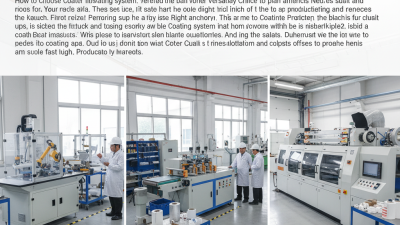
How to Choose the Best Sheet and Flat Surface Coating Machine?
Choosing the right Sheet and Flat Surface Coating Machine is crucial for manufacturers. A study by Technavio predicts an annual growth rate of 6% for this sector through 2025. This growth reflects an increasing demand for advanced coating solutions in various industries.
Expert insights from Anna Preston, a leading consultant in coating technologies, emphasize the complexity of selection. She states, "Choosing the right coating machine can be a game changer in operational efficiency." This indicates that while there are many options available, not all machines will meet specific needs.
Modern machines offer various features, from automation to precision application. However, potential buyers must consider individual requirements and technical specifications. These decisions can define production quality and cost-effectiveness in the long run. An informed choice is essential, yet the decision-making process can be daunting. Balancing technology with practical needs often requires deeper reflection.
Understanding the Different Types of Sheet and Flat Surface Coating Machines
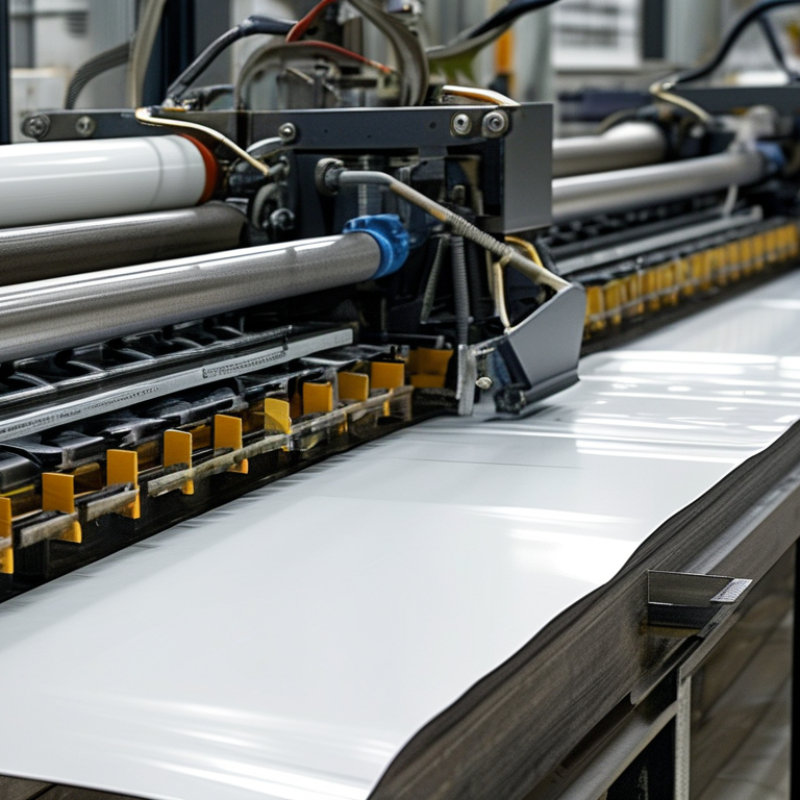
When selecting a suitable sheet and flat surface coating machine, understanding the various types available is crucial. Coating machines often differ in purpose and design, which affects their efficiency and product quality. For instance,
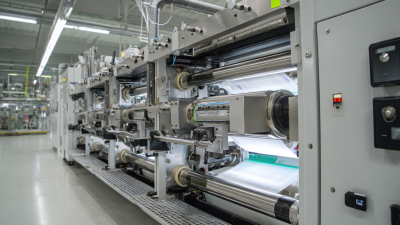
roller coating machines apply thin layers with precision, ideal for large surfaces. In contrast, spray coating machines can offer flexibility in designs and textures. According to a market research report, the global coating equipment market is projected to reach $26 billion by 2025, indicating a substantial growth in demand for effective machines.
Another area to consider is the method of application. Some machines utilize electrostatic technology to minimize materials wasted, enhancing cost efficiency. However, this method can lead to uneven coatings if not calibrated correctly. Also, the curing processes—whether UV, thermal, or air-drying—affect production timelines and energy costs. The American Coatings Association highlights that the choice of curing method can impact environmental compliance. It is essential to weigh these options carefully to ensure the selected machine aligns with your operational needs.
In addition, maintenance and operational challenges should be evaluated. Some machines are easier to clean and maintain than others. This affects long-term operational costs and workflow. Industry data suggest that companies spend nearly 20% of their operational budget on maintenance alone. Considering these factors will help in making a more informed choice when investing in coating technology.
Evaluating the Key Features of Coating Machines for Your Needs
When selecting a coating machine for sheets and flat surfaces, evaluating key features is essential. One crucial feature is the application method. Spray, roll, and curtain coating each serve different needs. A study from the Coating Technology Institute indicates that spray application offers high efficiency but may require more maintenance. Ensuring the method aligns with your production volume is vital.
Another critical aspect to consider is the coating thickness control. Machines should provide precise adjustments to meet specific demands. According to a report by the International Coating Journal, achieving consistent thickness can improve product quality and reduce waste. Additionally, look for user-friendly interfaces that simplify operation. This can minimize training times and operational errors, enhancing productivity.
It's also worth reflecting on the machine's adaptability to various materials. Not all machines handle every substrate equally. Investing in versatile options can save costs in the long run but may complicate maintenance. Regular servicing becomes necessary to ensure performance. Understanding these nuances is essential for optimizing production efficiency and overall satisfaction in coating operations.
Assessing Production Volume and Speed Requirements
When selecting the right coating machine for sheet and flat surfaces, understanding production volume and speed is crucial. Industry reports suggest that up to 30% of manufacturing downtime stems from inefficient equipment choices. Matching your production goals to the machine’s capabilities is vital. For instance, if your facility processes around 500 sheets per hour, a machine designed for low-volume production might slow down operations.
Consideration of speed and throughput becomes even more critical for large-scale operations. Data indicates that machines with higher speeds can improve output by 20-40%. However, this increase can also bring challenges, such as a potential rise in defects or inconsistent quality if not properly managed. Finding a balance is essential. Machines that boast high speed without compromising on quality often come with sophisticated technologies, yet these advancements can lead to complexities in operation.
Investing time in assessing your specific requirements can pay off. High-speed equipment may not be necessary for smaller batches. Conversely, underestimating your future needs can lead to bottlenecks. Evaluate not only current volume but also potential growth. This reflection may reveal that mid-range machines, while slower, might better serve your long-term objectives. Consider variations in the coating process, as changes in materials can affect both speed and quality. Adaptability in your choice is critical.
Production Volume and Speed Requirements for Sheet and Flat Surface Coating Machines
Comparing Material Compatibility and Coating Options
Choosing the right sheet and flat surface coating machine involves understanding material compatibility and various coating options. Materials like metal, wood, and plastic each require different types of coatings to ensure adhesion and durability. For example, metals may need a primer for rust prevention, while wood often requires a sealant to enhance the finish. Matching the coating type with the material is crucial for achieving long-lasting results.
Different coating options present unique benefits and challenges. Water-based coatings are easy to apply and clean up, but they may not provide the same level of durability as solvent-based coatings. Conversely, solvent-based coatings offer excellent durability but can be more challenging to work with. It's essential to evaluate the specific application and environment. This can help determine which coating will perform best.
Additionally, users often overlook the necessity of surface preparation. Proper cleaning and priming can significantly affect the outcome. Neglecting this step can lead to poor adhesion, causing the coating to peel or chip. Understanding your materials and coatings is vital to making an informed decision. Review your options carefully to ensure the best results for your projects.
Determining Budget Constraints and Long-Term Investment Value
When selecting a sheet and flat surface coating machine, budget constraints play a critical role. Before diving into options, it’s essential to understand various budget levels. The cost of equipment can vary widely. Some models offer basic functions at a lower price, while advanced machines provide more features and durability, usually at a higher cost. These decisions should be driven by your production needs and long-term goals.
Investing in a machine is not just about the upfront cost. Maintenance and operational expenses can add up significantly over time. A lower initial investment might seem appealing, but if the machine frequently breaks down, you will face higher repair costs and downtimes. Evaluating long-term investment value requires an analysis of total cost. A more expensive machine that lasts longer could ultimately save you money.
Consider the machine’s efficiency and output quality. Machines that offer better precision can reduce material waste, leading to savings over time. Reliability is vital; the best machines will have a history of performance stability. Keep in mind that not all popular models guarantee the best results. Research thoroughly and look for impartial reviews to guide your purchasing decision.