How to Choose Coating Equipment in 2026?
Choosing Coating equipment in 2026 is no longer a simple question of price, speed, or brand reputation. Manufacturers must match equipment with coating chemistry, substrate type, production volume, and environmental targets. A narrow web line may need precise tension control, while a metal component plant may require robust spray guns, filtration, and curing capacity. Small differences matter. A poorly selected nozzle can create uneven coverage, overspray, rework, and wasted material.
Dr. T. C. Patton, a respected coatings author and industry specialist, offered a practical warning: “A good paint badly applied is still a bad job.” That principle remains highly relevant. Modern Coating equipment should deliver stable film thickness, repeatable transfer efficiency, easy cleaning, and measurable process control. Digital monitoring can record viscosity, temperature, pressure, and line speed, but data alone cannot correct careless maintenance. Operators still notice a blocked filter, a vibrating pump, or a dry edge before software does.
This guide examines how to choose equipment for real production conditions. It considers spray, roll, dip, curtain, and powder-coating systems. It also compares automation, energy use, maintenance access, safety features, and total ownership cost. The cheapest machine may become expensive after six months of downtime. That is an uncomfortable possibility. Buyers should test samples, inspect service support, and question optimistic performance claims. No system is perfect. The right choice is the one that performs consistently, supports workers, and leaves room for future production changes.
Define the Coating Requirements and Target Performance
How to Choose Coating Equipment in 2026?
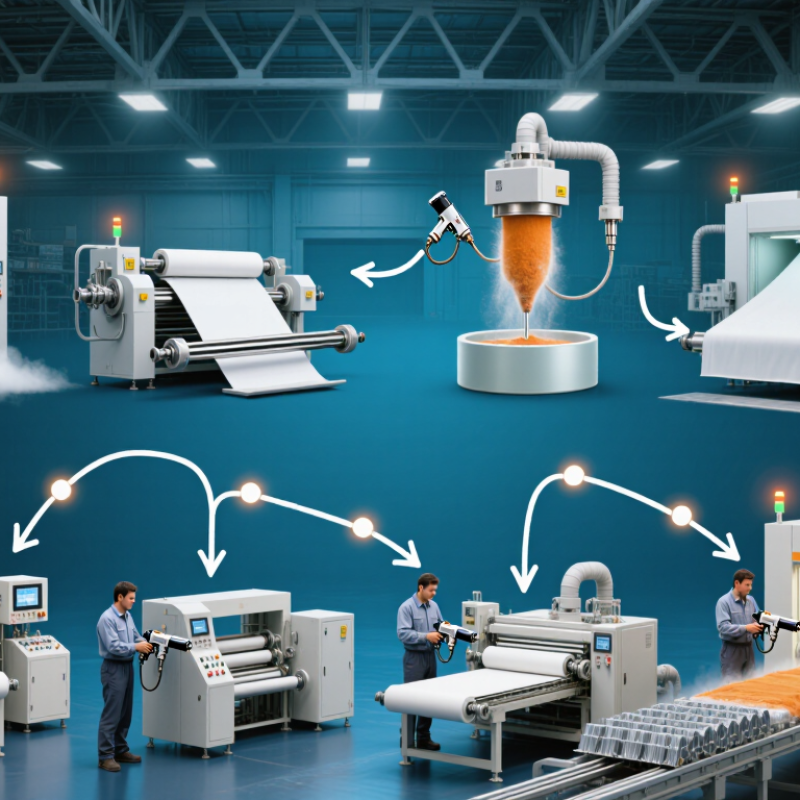
Choosing coating equipment starts with defining the coating requirements, not comparing machines. Identify the substrate, coating type, surface area, production volume, and application environment. Record viscosity, solids content, curing temperature, film thickness, and acceptable tolerance. A metal panel may need a uniform 25-micron film. A textured component may require deeper penetration and slower application.
Target performance must be measurable. Define adhesion, corrosion resistance, hardness, flexibility, gloss, and drying time before equipment selection. Experienced coating engineers also check transfer efficiency, overspray, cleaning time, and operator exposure controls. These factors affect quality and operating cost. A specification can look complete and still hide weak assumptions. I have seen teams measure thickness carefully but overlook edge coverage. That mistake appeared during field inspection.
Tips: Test the coating under real production conditions. Use representative substrates, not perfect laboratory panels. Compare spray pattern, film build, curing results, and material consumption. Keep records for each trial. Small changes in temperature can alter viscosity and atomization. Review the data with production and quality teams. If the target performance is unclear, pause before purchasing equipment. That delay may prevent an expensive mismatch.
Compare Coating Equipment Types and Application Methods
Choosing coating equipment in 2026 starts with the application method, not the machine catalog.
Liquid spray systems suit complex shapes and frequent color changes. Roll coating handles flat panels with consistent speed. Dip coating reaches enclosed surfaces, but it can waste more material during tank maintenance. Powder systems create durable finishes and support overspray recovery. They need compatible curing ovens and heat-tolerant substrates.
Transfer efficiency matters financially.
The U.S. EPA’s AP-42, Section 4.2, reports approximate efficiencies of:
25–40% for conventional air spray
40–65% for HVLP
60–95% for electrostatic application
Actual results depend on distance, viscosity, gun settings, and operator technique. Those figures are useful, but not promises. I have seen small adjustments change film build noticeably.
Measure the workpiece before selecting equipment.
ASTM D7091 provides guidance for measuring dry-film thickness with electronic or magnetic gauges. ISO 12944 also links protective coating systems to corrosion environments and durability expectations. A high-speed airless system may be ideal for large steel surfaces. It may be excessive for delicate components. HVLP can reduce overspray, yet it often applies more slowly. Powder coating may lower solvent emissions, but oven energy and color-change time deserve calculation. Test panels should record thickness, adhesion, appearance, waste, and cleaning time. Real production data beats showroom assumptions.
Calculate Total Ownership Cost and Select the Best Equipment
How to Choose Coating Equipment in 2026?
Calculate total ownership cost before comparing purchase prices. Include equipment, installation, ventilation, energy, labor, maintenance, consumables, downtime, training, and disposal. A lower-priced spray system may require more cleaning and compressed air. The U.S. Department of Energy reports that compressed-air leaks can waste 20–30% of system capacity. That waste appears on every utility bill. Build a five-year model using hourly energy use, coating transfer efficiency, spare-part prices, and expected production hours. Then test three scenarios: normal output, peak demand, and unplanned stoppage.
Automation deserves careful financial testing. The International Federation of Robotics reported 541,302 industrial robot installations worldwide in 2023. However, automation does not automatically reduce ownership cost. Programming, integration, safety systems, and skilled maintenance can increase early expenses. Compare labor savings with realistic service costs. Include changeover time between colors or coating materials. A ten-minute delay repeated twenty times daily becomes expensive. No spreadsheet is perfect. Downtime estimates often remain too optimistic.
Tips: Request measured energy data from comparable systems. Ask for cleaning time, filter life, and spare-part lead times. Calculate cost per coated unit, not cost per machine. Recheck the model after three months of operation. If actual usage differs, revise the assumptions before expanding capacity.
How to Choose Coating Equipment in 2026? Calculate Total Ownership Cost
Five-year total ownership cost comparison for common coating-system configurations. Costs are representative planning values in USD and include equipment, installation, energy, maintenance, consumables, and operator labor.
A lower purchase price does not always mean a lower long-term cost. When selecting equipment, compare the complete five-year ownership profile and give particular attention to labor, consumables, maintenance, and energy efficiency.