What is a Double-Sided Coating Machine and How Does it Work?
The Double-Sided Coating Machine is a crucial tool in modern manufacturing. This machine enhances product performance by applying coatings on both sides of materials. According to a report by MarketsandMarkets, the global coating equipment market is expected to reach approximately $19.1 billion by 2025. This growth highlights the rising demand for efficient coating technologies.
In industries such as automotive and electronics, the need for durability and performance is high. Double-sided coatings increase resistance to wear and tear, ensuring longer product life. However, implementing these machines comes with challenges. The complexity of the process may lead to inconsistencies in coating thickness. It's essential for manufacturers to ensure precise calibration and monitoring.
Moreover, as companies seek to reduce costs while maintaining quality, the quest for an ideal Double-Sided Coating Machine remains ongoing. Evaluating various types can be daunting. Selecting the right machine requires industry expertise and a clear understanding of specific production needs. The potential for improvement is vast, but so are the pitfalls if not managed carefully.
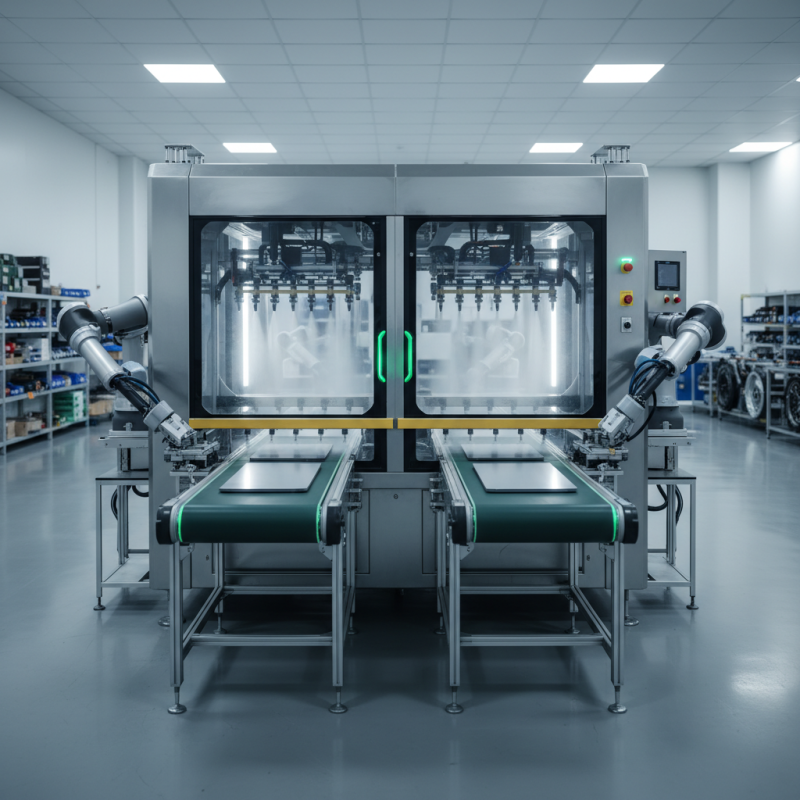
What is a Double-Sided Coating Machine?
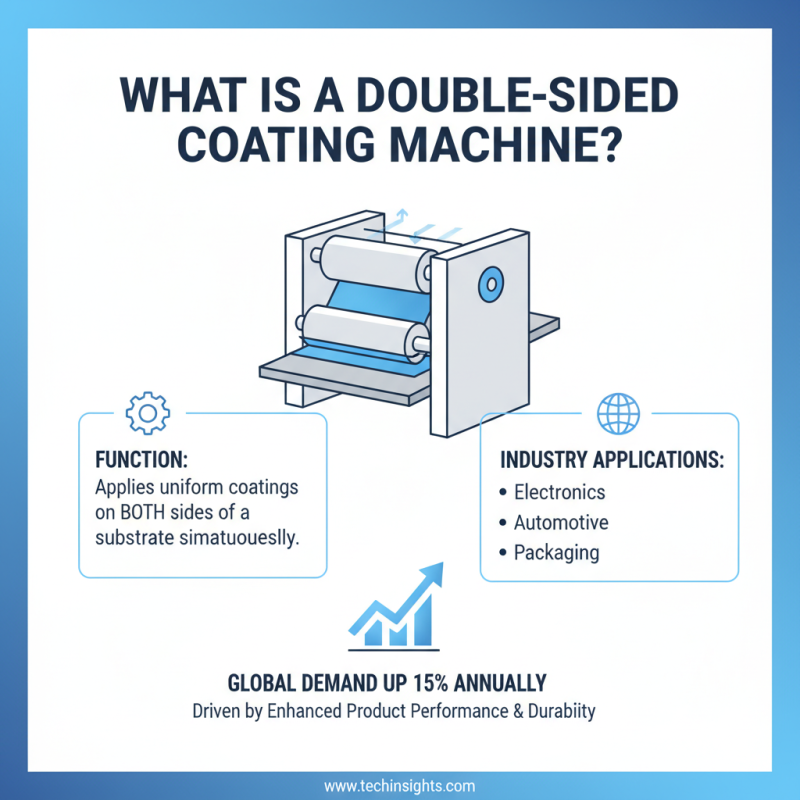
A double-sided coating machine is a specialized equipment designed for applying coatings uniformly on both sides of a substrate. This machine is widely used in various industries, including electronics, automotive, and packaging. According to recent industry reports, the global demand for such machines has increased by about 15% annually, driven by the need for enhanced product performance and improved durability.
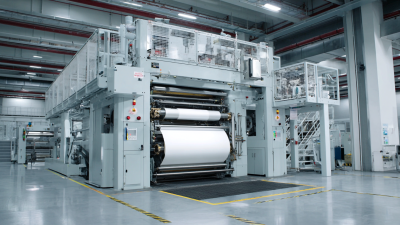
The working mechanism of a double-sided coating machine is fairly intricate. It typically involves a series of rollers, which ensure the even application of the coating material. The substrate passes through these rollers, and the coating is applied simultaneously on both sides. This method enhances efficiency and reduces production time. However, maintaining precision is crucial. Inaccurate coating thickness can lead to quality issues, which may require additional rework.
Moreover, operators must be well-trained to handle these machines effectively. Incorrect settings can result in uneven coatings or wastage of materials. Implementing regular maintenance is essential as well. Neglecting this aspect can lead to malfunctions or lower output quality. Understanding the technology behind double-sided coating machines is vital for achieving optimal results and maintaining production standards.
Key Components of a Double-Sided Coating Machine
A double-sided coating machine is essential in various industries, particularly in manufacturing. Understanding its key components helps appreciate its function. Primarily, these machines feature a feed system, coating units, and a drying system. The feed system transports the substrate to be coated. This ensures consistent speed and control, which is vital for accuracy.
The coating units apply the material evenly on both sides of the substrate. They use various methods, including roller coating and spray coating. Each method has benefits and challenges, often requiring adjustments for optimal results. The drying system follows the coating units. Proper drying is crucial to prevent defects, like smudges or uneven application.
While double-sided coating machines enhance productivity, some aspects demand attention. Operators need to monitor material flow and coating thickness. If not, variations can occur, affecting quality. Regular maintenance also plays a significant role. Neglecting this can lead to mechanical issues, impacting efficiency. Awareness of these factors fosters better operations, highlighting the importance of continuous training and improvement.
Performance Metrics of Double-Sided Coating Machines
The Coating Process: Step-by-Step Breakdown
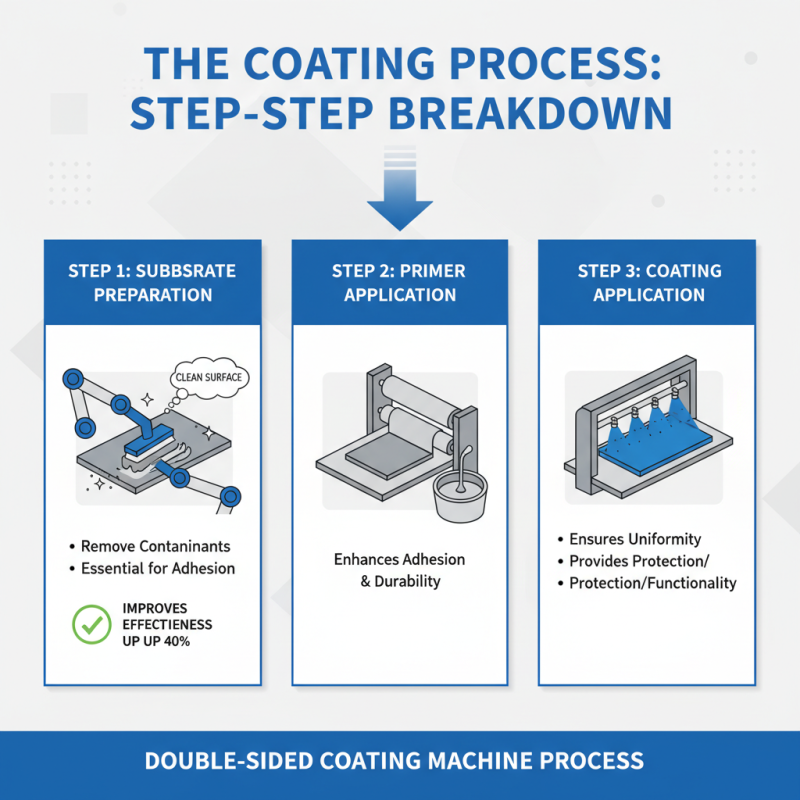
The coating process in a double-sided coating machine involves several critical steps that ensure uniformity and quality. Initially, the substrate is prepared. This can include cleaning to remove contaminants. A clean surface allows better adhesion of the coating material. Preparation is vital in many industries, including automotive and electronics. Research indicates that a well-prepared surface can improve coating effectiveness by up to 40%.
Next, the coating material is applied. This typically involves precision techniques like spray, dip, or roll coating. The machine’s design plays a crucial role in applying consistent layers. Reports show that uniformity in coating can lead to enhanced durability and performance. After application, the coating goes through a curing process. This may involve heat or UV light, depending on the type of coating used. A noted disadvantage is the potential for uneven curing, which can reduce the overall effectiveness.
Finally, quality control checks are essential. Inspectors look for defects such as streaks or bubbles. These issues can indicate problems in earlier steps. Flaws can lead to increased rejection rates. In industries with stringent standards, about 5-10% of products might face rework due to coating inconsistencies. Each phase requires meticulous attention to detail, demonstrating the complexity and precision involved in the coating process.
Applications of Double-Sided Coating Machines
Double-sided coating machines play a crucial role in various industries. These machines apply coatings to both sides of substrates, enhancing surface properties. Common applications include electronics, automotive, and packaging. In electronics, they may coat circuit boards, ensuring insulation and protection against environmental factors.
In the automotive sector, double-sided coatings improve durability and appearance. A report by MarketsandMarkets estimates that the global automotive coatings market will reach $27.5 billion by 2025, showcasing the growing demand. The versatility of double-sided machines is evident in packaging too. They help create protective films for food products, extending shelf life.
Despite their advantages, challenges persist. Not all substrates respond equally to double-sided coatings. Factors like material composition and surface texture can impact adhesion and finish quality. Continuous research and development are essential to address these issues. It's vital that manufacturers stay updated on technology to ensure optimal performance. As industries evolve, double-sided coating machines will need to adapt to meet new demands.
Advantages of Using Double-Sided Coating Technology
Double-sided coating technology is revolutionizing manufacturing across various industries. This approach allows for efficient application of coatings on both sides of materials, such as films and substrates. According to industry reports, this method can increase production speed by 30% compared to single-sided coating processes. Manufacturers often cite enhanced durability and uniformity as key benefits.
The advantages of using double-sided coating are numerous. Firstly, it reduces material waste by optimizing the coating process. With advances in technology, companies have noted a decrease in overspray and inconsistencies. The enhanced adhesion properties that double-sided coatings provide often result in improved product lifespan. Moreover, products coated this way tend to perform better under varying environmental conditions.
Tips: Consider the specific needs of your manufacturing line when implementing double-sided coatings. It might require an adjustment period. Be mindful of the learning curve involved in maximizing efficiency with the new system. Also, evaluate the total cost savings over time, as initial investments can sometimes be daunting. Double-sided coating can be a game-changer for performance, but it’s essential to have a plan in place for a smooth transition.