What is a Heated Coating Machine and How Does It Work?
In the world of industrial manufacturing, the Heated Coating Machine plays a critical role. This technology is essential for applying coatings that require specific temperatures to ensure optimal adherence and finish quality. According to industry reports from MarketsandMarkets, the global demand for coating machinery, including heated options, is projected to grow by 5.3% annually over the next five years. This reflects a significant shift toward automation and efficiency in production lines.
Heated Coating Machines operate by heating the coating material before application. This process reduces viscosity and enhances flow, leading to a smoother surface finish. However, the technology is not without challenges. For instance, maintaining precise temperature control can be difficult, impacting the end product quality. Companies must invest in training and maintenance to address these issues effectively.
Moreover, while the advantages are clear, the initial investment in a Heated Coating Machine may be considerable. Smaller businesses might hesitate to adopt this technology, fearing high costs. Yet, the long-term benefits, in terms of durability and efficiency, often outweigh these concerns. Therefore, businesses need to reflect on their needs and potential return on investment before making a decision.
What is a Heated Coating Machine?
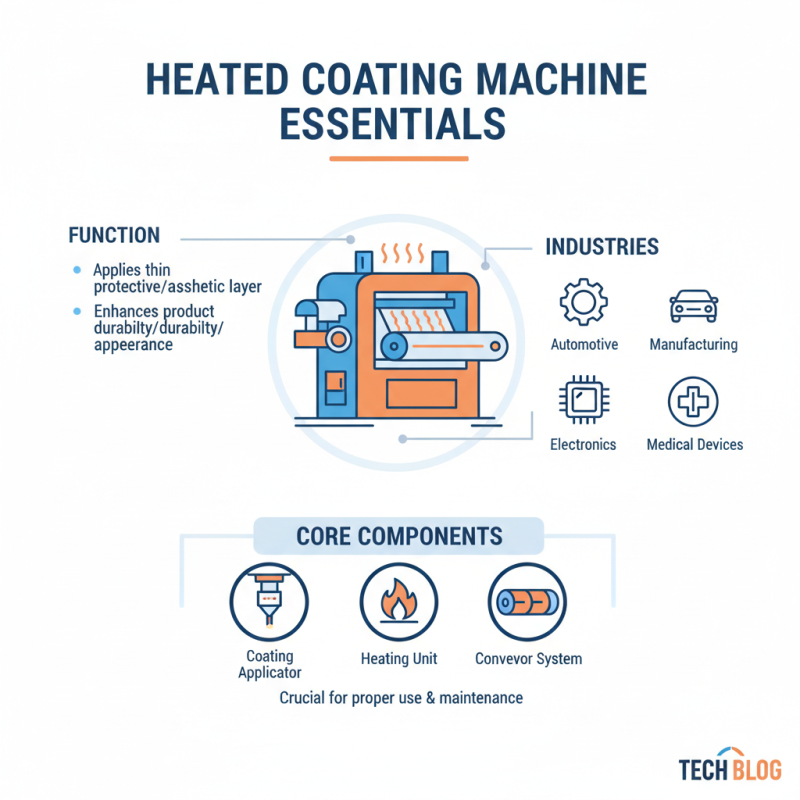
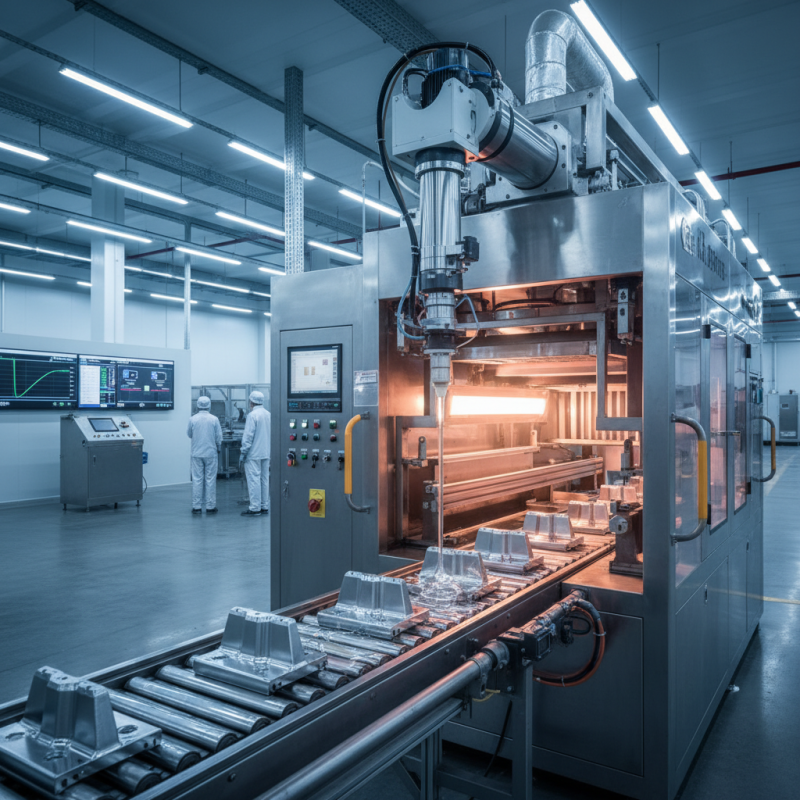
A heated coating machine is a specialized device used for coating surfaces with a heated layer of material. This technology is often utilized in industries like manufacturing, automotive, and electronics. The machine works by applying heat to the coating material, which allows it to spread evenly across the surface. The result is a strong, durable finish that enhances the appearance and functionality of the product.
Tips: Ensure your workspace is well-ventilated. Heat can release fumes that are harmful.
Using a heated coating machine requires careful setup. Adjust the temperature based on the material you are using. Too much heat can cause the coating to burn or bubble. Watching the temperature closely is vital. It’s important to conduct test runs on sample materials before the final application. This can prevent costly mistakes.
Tips: Always wear protective gear. Even if it seems safe, protection is essential.
Clean the machine regularly to maintain its efficiency. Residue from previous coatings can affect the quality of new applications. Inspect the machine before each use to ensure all components are functioning correctly. Small issues can lead to larger problems down the line. Keeping a log of maintenance can help identify patterns over time.
What is a Heated Coating Machine and How Does It Work?
| Feature |
Description |
| Purpose |
Used to apply heated coatings to various surfaces for protective or aesthetic purposes. |
| Heating Method |
Typically uses electric or gas-powered heaters to reach required temperatures. |
| Applications |
Commonly used in industries like automotive, aerospace, and electronics. |
| Advantages |
Improves adhesion, durability, and finishes of coatings applied. |
| Control Features |
Often equipped with temperature controls and timers for precision application. |
| Safety Measures |
Includes safety features like overheat protection and emergency shut-off. |
The Working Mechanism of a Heated Coating Machine
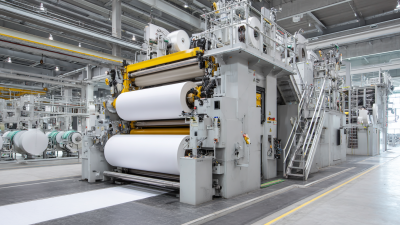
The working mechanism of a heated coating machine is quite fascinating. It combines heat and precise application to achieve optimal coating results. At its core, this machine uses controlled heat to melt the coating materials. This allows for a smooth application on various surfaces. According to a report by the Coating Industry Association, heated coating machines improve efficiency by up to 30%. This is significant in industries where time and quality are critical.
The operational process starts with the material being fed into a heating chamber. Here, it gradually reaches its melting point. The consistency of the material is crucial. If not monitored, it can lead to uneven coatings. Once melted, the material is dispensed through a nozzle. The precision of this application is vital, as improper application can lead to excess waste and higher costs. Industry studies indicate that around 15% of coated materials can end up wasted due to inefficient machines or techniques.
Temperature control is another important aspect. Maintaining the right temperature ensures the coating adheres properly. Variability can lead to defects that compromise the final product. As reported in the Journal of Coatings Technology, improper temperature management can reduce product lifespan by 20%. This highlights the necessity for regular maintenance and attentiveness in the coating process. The efficiency and quality improvements brought by these machines cannot be overlooked. However, there is always room for improvement in technology and operational practices.
Applications and Industries Utilizing Heated Coating Machines
Heated coating machines are increasingly common in various industries. These machines apply a heated layer of material to surfaces, enhancing durability and appearance. In manufacturing, they are particularly popular. Heavy machinery and equipment often require protective coatings to resist wear and corrosion. Heated coatings provide a robust solution.
The automotive industry also benefits from heated coating technology. Car parts receive treatments that improve their finish and longevity. Aesthetic applications, like custom paints, utilize heated coatings for a smooth application. In the electronics field, heated coatings protect components from environmental factors, ensuring reliability. However, some users have reported inconsistent results with adhesion. This irregularity prompts further examination of application techniques and material choices.
Another area of use is the construction sector. Heated coatings on structures offer protection against harsh weather. Yet, quality control remains a challenge. Some projects do not achieve the desired thickness and coverage. Addressing these shortcomings requires better training and practices among workers. Continuous improvement in application processes can lead to more successful results across these industries.
Applications of Heated Coating Machines in Various Industries
The bar chart above illustrates the distribution of heat coating machine applications across different industries. The automotive sector leads with 35%, followed by aerospace at 25%, medical at 15%, electronics at 20%, and manufacturing at 5%. This highlights the growing significance of heated coating technology in enhancing product durability and performance.
Advantages of Using Heated Coating Machines in Coating Processes
Heated coating machines play a crucial role in various industries. These machines utilize heat to enhance the coating process, which can lead to improved product quality. The primary advantage is their ability to ensure even spreading of the coating material. This uniformity can minimize defects, resulting in a smoother finish.
Using heated coating machines can significantly reduce drying times. When heat is applied, the solvent evaporates more quickly. This means products can move faster through production lines. Reduced wait times often translate into increased productivity. However, this speed can sometimes lead to uneven coats if not monitored carefully. It’s a balance that must be maintained.
Additionally, heated coatings can enhance adhesion. By applying heat, the substrate may bond better with the coating material. This stronger adhesion can improve durability. Yet, it’s essential to ensure the right temperature is used. Excessive heat might degrade some materials or change their properties. Manufacturers must always stay vigilant about these factors while using heated coating technology.