Top Hot Melt Coating Machine Applications and Benefits Explained?
The Hot Melt Coating Machine has transformed various industries with its versatility and efficiency. This innovative technology is widely used in packaging, automotive, and textile applications. Its ability to provide a strong adhesive layer while maintaining a smooth finish makes it a preferred choice among manufacturers.
In recent years, the demand for Hot Melt Coating Machines has seen significant growth. Industries are increasingly attracted to their quick-drying properties and ease of use. However, there is still a learning curve for some users. Understanding the correct settings and materials is crucial for achieving optimal results.
Furthermore, while the benefits are extensive, potential drawbacks should be considered. Operators must be aware of machine maintenance and the safe handling of materials. A well-informed approach can yield remarkable advantages, but it requires knowledge and experience to fully harness the potential of hot melt coating technology.
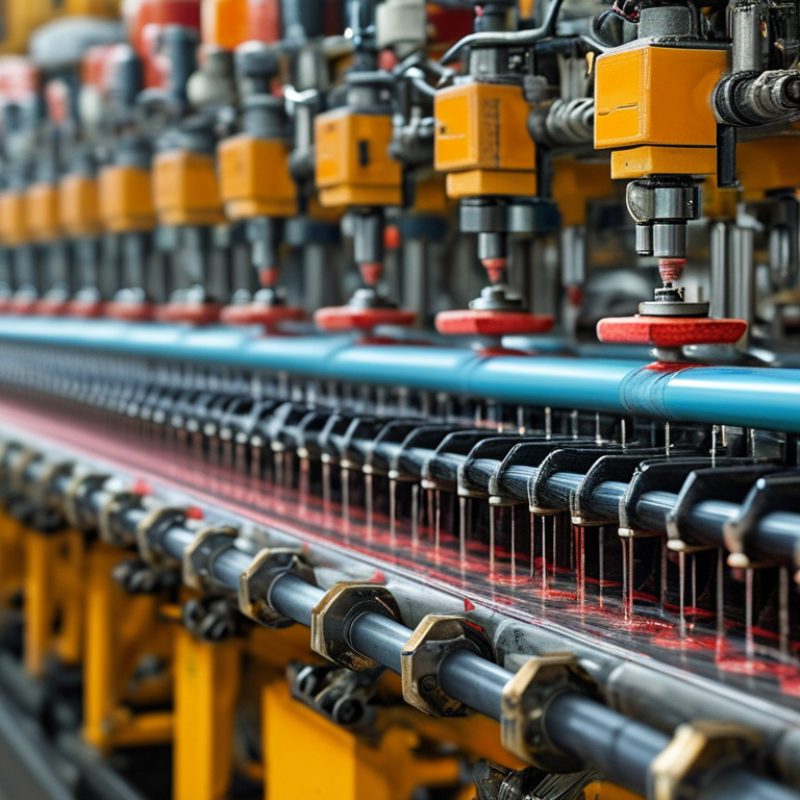
Overview of Hot Melt Coating Machines and Their Functionality
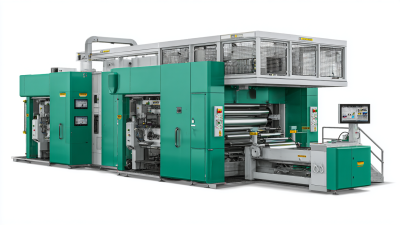
Hot melt coating machines play a crucial role in various industries. These machines apply thermoplastic materials to surfaces, creating a strong bond. They are widely used in packaging, automotive, electronics, and textile sectors. Their functionality centers around melting adhesive materials and applying them precisely.
The operation begins with heating the thermoplastic. This substance flows smoothly, aiding adhesion. Various methods ensure uniform coating. The process is efficient and can be adjusted for different thicknesses. This versatility makes hot melt coatings suitable for diverse applications. The machines also allow quick changeovers, minimizing downtime. However, there can be challenges in selecting the right adhesive and maintaining consistent quality.
In terms of benefits, hot melt coatings provide durability and resistance to chemicals and moisture. They enhance product performance, improving the user experience. Nevertheless, some may encounter issues with adhesion under extreme conditions. Regular monitoring and testing are essential for optimal results. Embracing advancements in this technology can lead to innovations in coatings, pushing the boundaries of what is possible.
Applications and Benefits of Hot Melt Coating Machines
Key Applications of Hot Melt Coating Machines in Various Industries
Hot melt coating machines are transforming several industries. Their versatility makes them essential in packaging, automotive, and textile sectors. According to a recent market report, the global hot melt adhesive market is expected to reach USD 10.5 billion by 2026, driven by rising demand for sustainable solutions. In packaging, these machines apply adhesives that provide excellent bonding while being eco-friendly. This technique helps reduce waste and improve product lifespan.
In the automotive industry, hot melt coatings are critical for manufacturing components like interior trims and electronics. These coatings offer superior temperature resistance and durability. A study noted that 40% of automotive manufacturers are shifting towards adhesive solutions to enhance efficiency. Textile manufacturers also benefit from hot melt technology, as it allows for seamless attachment of fabric layers without compromising flexibility. Despite these advantages, users report challenges with application consistency and machinery maintenance. Such issues may lead to production delays and increased costs.
The ongoing advancements in hot melt coating machines enhance their reliability. Operators need to ensure proper training and maintenance to maximize benefits. As industries continue to adopt these technologies, there will be an emphasis on balancing efficiency with quality control.
Advantages of Using Hot Melt Coating Technology in Manufacturing
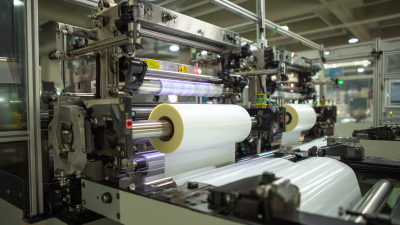
Hot melt coating technology offers substantial advantages in manufacturing processes. It utilizes thermoplastic materials, providing excellent adhesion and flexibility. This technology is efficient in coating various substrates, such as paper, film, and textiles. The application of hot melt coatings enhances durability and resistance to moisture, making products more reliable in diverse environments.
One key benefit is the rapid curing time. Unlike traditional coatings, hot melt solutions set quickly, which speeds up production. Manufacturers experience shorter lead times. Additionally, this method minimizes waste. The precise application reduces the excess material often seen in liquid coatings. Yet, improvements are still needed in specific areas, such as temperature sensitivity and flexibility for certain applications.
Cost-effectiveness is another highlight. Hot melt coatings can lower both material and labor costs. The energy consumption during application is also reduced. However, it is crucial to evaluate the long-term performance of these coatings. Not all hot melts perform equally, and choosing the right formulation is essential. Continuous research and trial are necessary to enhance product offerings and meet evolving demands.
Factors to Consider When Choosing a Hot Melt Coating Machine
When selecting a hot melt coating machine, several critical factors come into play. First, the production volume is vital. Machines vary in speed and output. Some might be ideal for small batches, while others cater to high-volume production. Understanding your operational needs helps in making the right choice.
Another factor to consider is the application type. Different coatings require various specifications. Some materials work better with specific temperature ranges. It’s essential to assess the compatibility of the machine with the coatings you intend to use. Explore the design features that facilitate easy maintenance and adjustments. This adds to the reliability and longevity of the equipment.
Investing in training for staff is important as well. Operators should understand the machine’s functionality to prevent mistakes. Sometimes, the learning curve can lead to inefficiencies. Assessing workforce capabilities can save time and prevent costly errors. Balancing machine specifications with employee skills leads to smoother operations.
Future Trends and Innovations in Hot Melt Coating Technology
The hot melt coating technology is evolving rapidly. As industries seek efficiency, innovations are essential. One notable trend is the development of eco-friendly adhesives. These materials reduce environmental impact while enhancing performance. Manufacturers are investing in biodegradable options. Such advancements meet growing sustainability demands.
Automation is another crucial trend. New machines incorporate smart technology for precise control. This minimizes waste and maximizes output. Real-time monitoring systems improve efficiency. However, not all manufacturers adopt these innovations. Some still rely on outdated processes. This can lead to inefficiencies and higher costs.
Future innovations may bring even more changes. Research focuses on high-performance polymers. These materials promise better adhesion and durability. Enhanced versatility allows coatings for various applications. Yet, challenges remain. The transition to new technologies can be costly. Many companies hesitate to change established methods. Continued collaboration between research and industry will shape the future of hot melt coating.
Top Hot Melt Coating Machine Applications and Benefits Explained
| Application Area |
Benefits |
Future Trends |
| Packaging |
Improved sealing, moisture resistance, and product protection. |
Increased automation and eco-friendly materials. |
| Automotive |
Enhanced durability and lightweight design. |
Integration with electric vehicle manufacturing. |
| Construction |
Waterproofing and thermal insulation. |
Development of smart coatings with sensors. |
| Electronics |
Protection against moisture and dust. |
Advancements in flexible and conductive coatings. |
| Textiles |
Enhanced wear resistance and water repellency. |
Innovations in breathable and sustainable fabrics. |