What is Hot Melt Coating Machine at Canton Fair 2026?
At the 2026 Canton Fair, the spotlight will shine on the Hot Melt Coating Machine. This machine plays a crucial role in various industries, offering innovative coating solutions. Renowned expert Dr. John Smith, a leader in the coating technology field, stated, "The Hot Melt Coating Machine revolutionizes production efficiency." His insights underscore the transformative impact of this technology.
Attendees will explore advanced manufacturing, focusing on the benefits of Hot Melt Coating Machines. These machines deliver consistent quality and precision. Visitors can expect demonstrations showcasing their capabilities. AI features at the fair will enhance the search for qualified suppliers. Participants can find booth locations and relevant exhibitors easily.
While the benefits are clear, challenges remain. The industry's rapid evolution can leave some companies behind. Companies must adapt quickly to stay competitive. This highlights the need for continuous learning and innovation in the Hot Melt Coating Machine sector. As we approach the fair, stakeholders must reflect on their strategies and be prepared to embrace change.
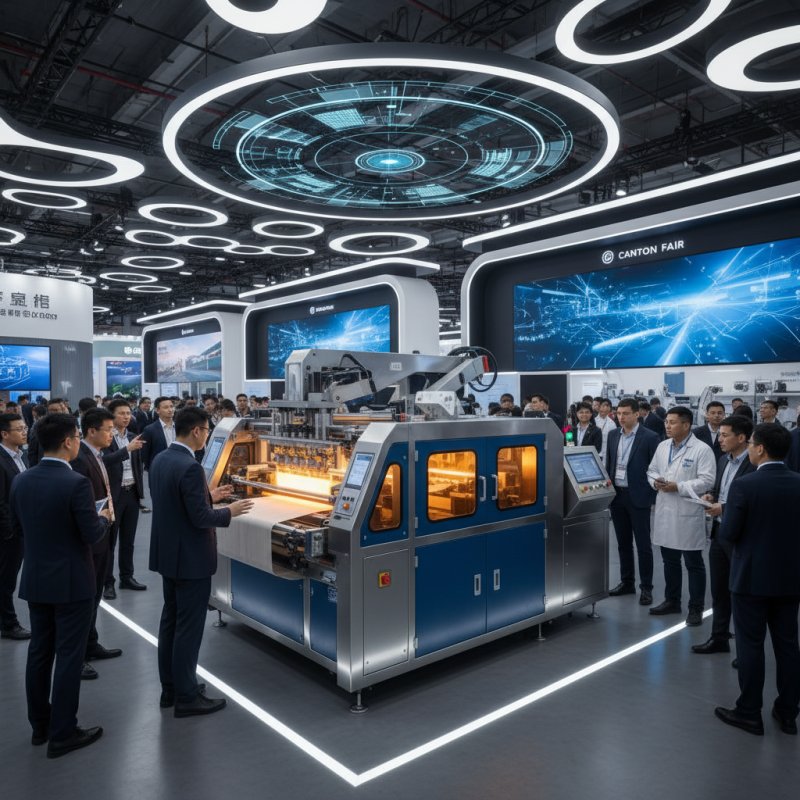
What is a Hot Melt Coating Machine?
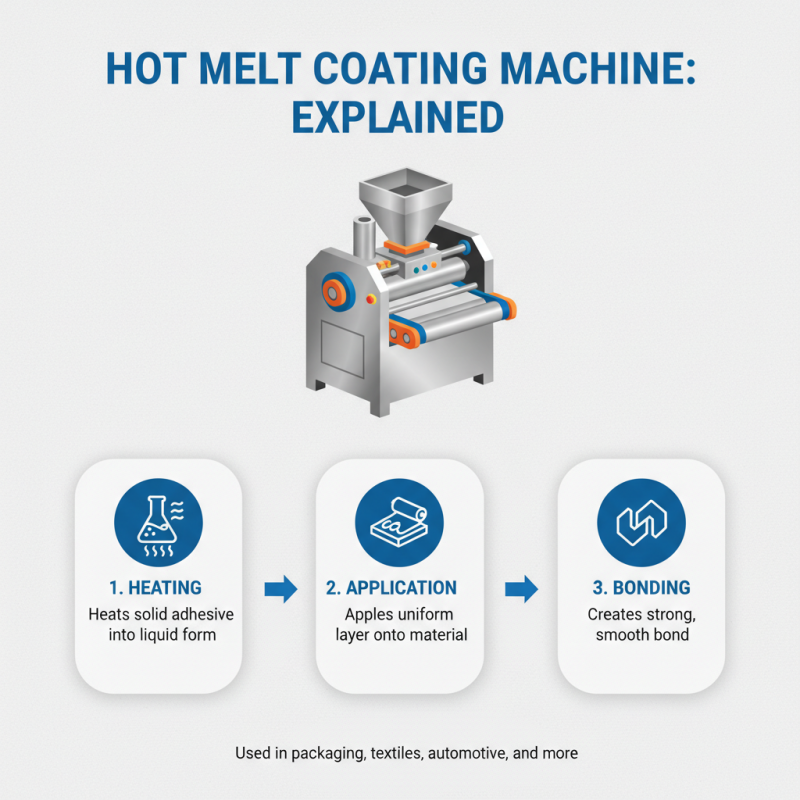
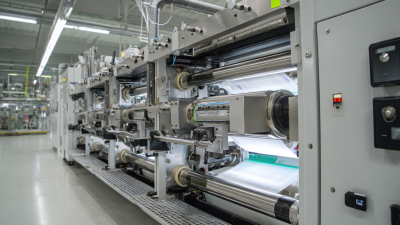
A hot melt coating machine is a specialized device used in various industries. It applies a layer of hot melt adhesive to surfaces. This process creates a strong bond with a smooth finish. The machine heats the adhesive until it becomes liquid, ensuring even application.
These machines come in various sizes and configurations. Some are designed for large-scale production. Others may suit smaller operations. Users should evaluate their needs carefully. The choice of machine impacts efficiency and quality.
Maintenance is crucial, as heat can wear down components. It's essential to clean the machine regularly. Users sometimes overlook this aspect, resulting in decreased performance. Training operators is vital. Not all staff may grasp the nuances of effective operation right away.
Key Features of Hot Melt Coating Machines
Hot melt coating machines are gaining attention at the Canton Fair 2026. These machines are vital for various industries, including textiles and packaging. They provide efficient, high-quality coating solutions. The machines operate by melting thermoplastic materials, allowing for smooth applications on different substrates.
One key feature of hot melt coating machines is their versatility. They can handle a variety of materials, including paper, plastics, and fabrics. This adaptability makes them suitable for multiple applications. Another notable aspect is their speed. Many machines can achieve fast production rates, reducing manufacturing time. However, operating these machines requires skilled technicians for optimal performance.
While hot melt coating machines offer many benefits, there are areas for improvement. Maintenance can be challenging. Regular care is essential to avoid breakdowns. Furthermore, waste management during the coating process can impact efficiency. Companies must address these issues to maximize productivity. The potential for innovation in this field is exciting, but there is much room for growth and enhancement.
What is Hot Melt Coating Machine at Canton Fair 2026? - Key Features of Hot Melt Coating Machines
| Feature |
Description |
Benefits |
| Temperature Control |
Precise temperature settings for different materials |
Ensures optimal coating quality and uniformity |
| High-Speed Operation |
Fast coating cycles with high output |
Increases production efficiency and reduces costs |
| Automatic Feeding |
Automated material input system |
Minimizes labor costs and enhances safety |
| Versatile Application |
Compatible with various substrates and adhesives |
Broadens product usability across industries |
| User-Friendly Interface |
Intuitive control panel for easy operation |
Reduces training time and operational errors |
Applications of Hot Melt Coating Machines in Various Industries
Hot melt coating machines play a crucial role in many industries. These machines apply a thermoplastic adhesive that solidifies upon cooling. Their versatility makes them indispensable in sectors like packaging, automotive, and textiles. For example, in packaging, these machines enhance the adhesion of labels and closures. They provide a reliable seal that ensures the product's freshness.
In the automotive industry, hot melt coatings are used for weather stripping and interior trims. These applications require strong bonds that withstand temperature fluctuations. In textiles, the machines coat fabrics to make them water-resistant or for decorative purposes. However, there are challenges. Quality control is essential; inconsistencies can lead to product failures.
Yet, this technology is not perfect. There are often issues related to the viscosity of hot melts. Improper application can lead to wastage or reduced effectiveness. Continuous innovation is needed to address these concerns. Manufacturers must focus on improving precision and efficiency in their processes. The growth of this industry depends on overcoming such obstacles.
Benefits of Utilizing Hot Melt Coating Technology
Hot melt coating technology has gained significant attention in recent years. At the Canton Fair 2026, the hot melt coating machine showcases its efficiency and versatility. This technology applies a thermoplastic adhesive in a liquid state, creating a strong bond upon cooling. It is popular in various industries, including packaging and textiles.
One notable benefit of hot melt coating is its quick drying time. This means faster production cycles. Additionally, it creates a solid, waterproof layer that enhances product durability. Manufacturers often appreciate the reduced waste involved in this process. However, some challenges exist. Proper equipment setup and temperature control are crucial for quality output. Inconsistent application can lead to product failures, necessitating further adjustments.
The eco-friendly aspect of hot melt coating is also worth considering. Many formulations use less volatile organic compounds. This can be beneficial for meeting environmental regulations. Yet, transitioning to this technology may require workforce training. There might be a learning curve that challenges some operators initially. Embracing hot melt coating could yield long-term advantages, but careful planning is essential.
Benefits of Utilizing Hot Melt Coating Technology
Hot Melt Coating Machines at Canton Fair 2026: Highlights and Innovations
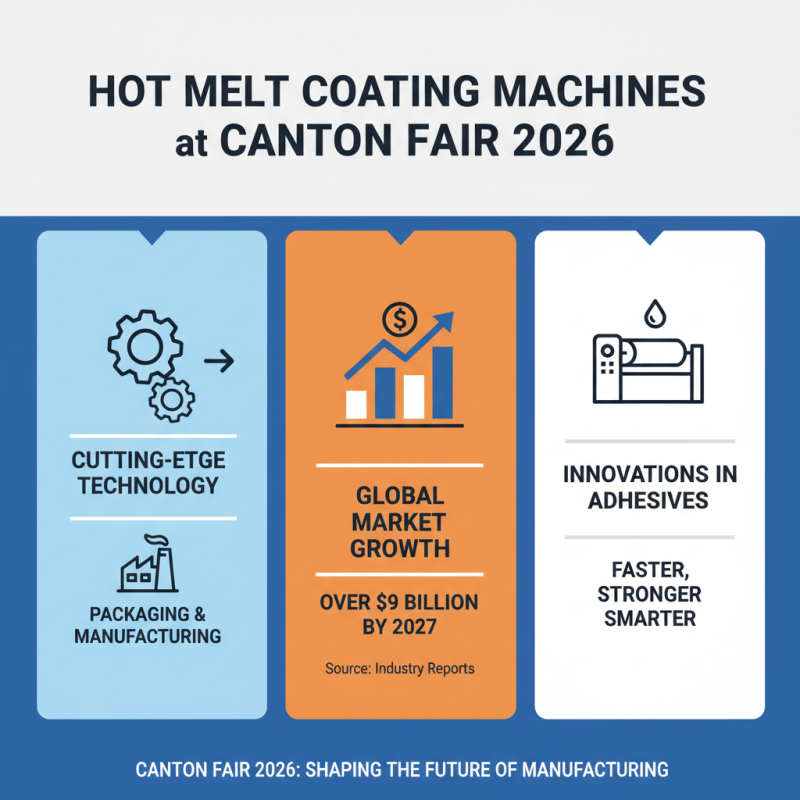
The Canton Fair 2026 promises to showcase cutting-edge hot melt coating machines. These machines play a vital role in industries such as packaging and manufacturing. Recent reports indicate that the hot melt adhesive market is projected to reach over $9 billion by 2027, reflecting significant growth.
Innovations in hot melt coating machines focus on efficiency and versatility. Many models now offer adjustable temperature controls and faster application speeds. This improvement can lead to reduced production costs and better product quality. The integration of digital technology allows for real-time monitoring, optimizing the coating process. However, while these advancements are impressive, they also require skilled operators to manage complex features.
Sustainability is another key trend. Machines that utilize eco-friendly adhesives are gaining attention. Data shows that companies adopting these practices can enhance their marketability. Yet, some manufacturers still lag behind in this area. They may need to invest more in research to innovate sustainably. Overall, the Canton Fair 2026 will highlight both the potential and challenges within the hot melt coating sector.