How to Choose a Slot Die Coating Machine?
Choosing a Slot Die Coating Machine is a process decision, not merely an equipment purchase. The right system must match coating width, viscosity, wet thickness, substrate speed, and drying capacity. A machine that looks impressive may still produce streaks, edge beads, or unstable layers.
Industry data shows why this choice matters. The International Energy Agency reported that global electric-car battery demand exceeded 750 GWh in 2023. That growth increases demand for consistent electrode coating and efficient material use. IDTechEx also forecasts continued expansion in battery manufacturing, flexible electronics, and advanced functional films. These sectors require controlled deposition, repeatable thickness, and clean production conditions.
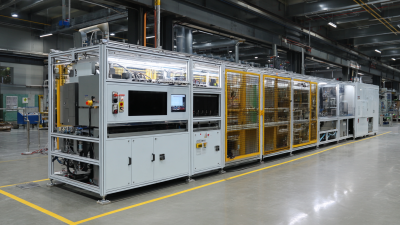
Dr. Edward D. Cohen, a recognized coating-technology author, has emphasized, “Coating quality is created by the entire process, not by the die alone.” This principle is easy to overlook. Pump pulsation, filtration, web tension, shim design, and oven airflow can each change the final result. During evaluation, inspect the machine physically. Look at the fluid lines, adjustment points, die-lip finish, and cleaning access. Ask for trial data using your actual formulation and substrate.
There is no universal best model. A high-speed machine may be unsuitable for a sensitive solvent system. A compact pilot coater may limit future production. Review technical support, spare-part availability, safety controls, and documented performance. Even reliable specifications deserve verification. That practical discipline helps transform a Slot Die Coating Machine from an expensive asset into a dependable manufacturing tool.
What Is a Slot Die Coating Machine and How Does It Work?
How to Choose a Slot Die Coating Machine?
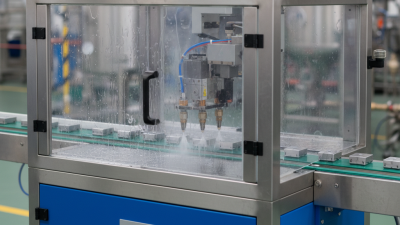
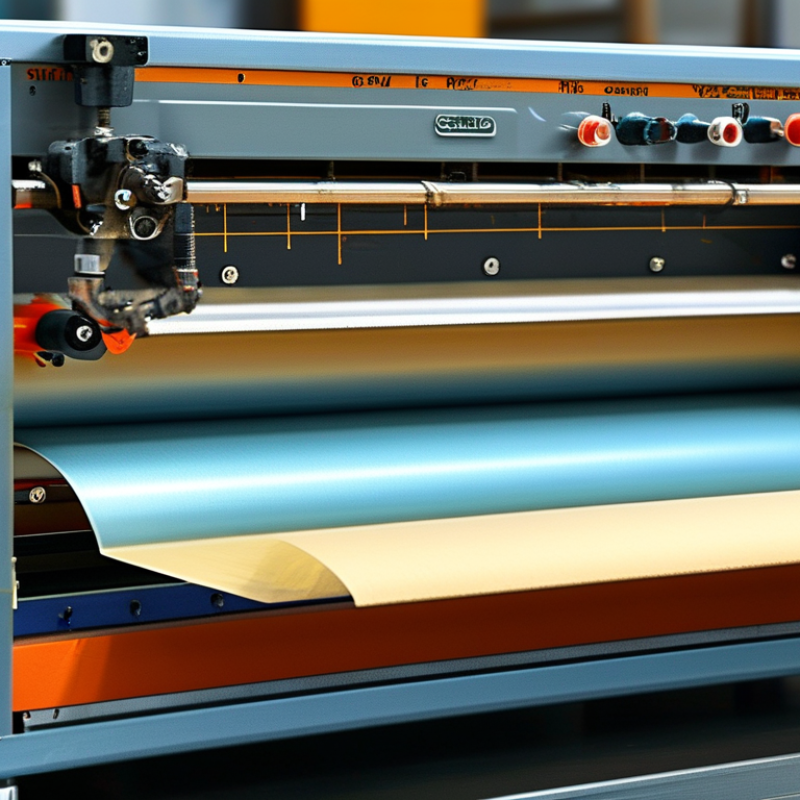
A slot die coating machine applies liquid material through a narrow, precision-machined opening. A pump delivers the coating fluid into the die cavity. The moving web then pulls a stable liquid bead across its surface. This process can produce clean, uniform layers with little material waste. It suits battery electrodes, separators, films, adhesives, and specialty papers.
The machine’s coating window depends on viscosity, flow rate, web speed, and die gap. A wider die is not automatically better. Operators must match the die width to the product and production target. The 2024 IEA Global EV Outlook reported that electric vehicle battery demand exceeded 750 GWh in 2023. That growth increases pressure for accurate electrode coating. The U.S. Department of Energy’s Battery Manufacturing R&D Roadmap also identifies coating uniformity as a key manufacturing requirement.
When choosing equipment, inspect pump accuracy, tension control, drying capacity, and online thickness measurement. Ask for trial coating data using your actual material. Check edge quality under a microscope, not only by visual inspection. A machine may run quickly but create unstable edges. That is a costly surprise. Cleaning access matters too, especially when the fluid dries quickly. Consider future width changes and recipe storage before purchasing. No setup is perfect. Operators still need practical experience, careful adjustment, and regular calibration.
Which Coating Materials and Substrates Will the Machine Handle?
Choosing a slot die coating machine starts with the materials it must process, not its advertised speed. Liquid viscosity, solids content, solvent behavior, and drying needs determine the coating head, pump, and web path. Water-based inks may require different seals and drying controls than solvent-based formulations. High-viscosity adhesives need stable pressure and accurate temperature management. Test the real formulation. Laboratory substitutes can hide defects. A small rheology change may create streaks, edge beads, or uneven coverage.
Substrate selection is equally important. Plastic film, metal foil, coated paper, glass, and flexible laminates react differently to tension and heat. Thin films can wrinkle under excessive tension, while rough paper may need a wider coating gap. Surface energy also affects wetting. Poor wetting can leave pinholes, crawling, or bare areas. Ask whether the machine supports the required width, thickness range, roll diameter, and line speed. Confirm compatibility with the substrate’s maximum temperature. I have seen promising trials fail because the web curled after drying.
Tips: Bring production samples, not only datasheets. Request a wet-coating trial at target speed. Measure coat weight across the web and inspect the dried surface under angled light. Check cleaning time, changeover waste, pump stability, and operator access. Keep records. One trial is rarely enough; humidity and batch variation can change results. If the test method is unclear, question the comparison. Leave room for future materials, but avoid capacity you cannot control.
What Machine Features Improve Accuracy, Efficiency, and Maintenance?
Choosing a slot die coating machine starts with control, not maximum speed. A stable metering pump should deliver coating fluid at a constant flow rate. Closed-loop pressure and temperature sensors help correct small changes before they become visible streaks. Useful data beats attractive specifications.
Look for a rigid die head with micrometer-based lip adjustment. A narrow, repeatable gap supports uniform coating thickness across the web. Automatic web-tension control also matters, especially when thin films stretch easily. Inline thickness gauges can detect coating variation while production continues. Fast recipe storage reduces setup errors between different materials and widths. Keep the interface clear. Operators should understand alarms without guessing.
Maintenance features often decide whether a machine remains accurate after months of use. Choose accessible fluid paths, simple die removal, and surfaces that clean without hidden corners. Tool-free parts can shorten changeovers, but they must not sacrifice sealing strength. I have found that easy inspection is more valuable than complicated automation. Even good sensors drift, and pumps wear. Schedule calibration, record cleaning results, and question readings that look perfect. No machine removes every process risk. Trial runs still matter.
How to Evaluate Suppliers, Costs, Installation, and Long-Term Support?
How to Choose a Slot Die Coating Machine?
Supplier evaluation should begin with process evidence, not attractive brochures. Ask for coating trials using your actual liquid, substrate, width, and target speed. Review thickness maps, edge quality, cleaning time, and waste volume. Request references from facilities with similar production demands. A reliable supplier should explain pump accuracy, die adjustment, web tension control, and safety features in practical terms. Vague answers deserve caution.
Tips: Compare the full ownership cost. Include the machine, metering pump, spare parts, freight, installation, training, utilities, and planned maintenance. Ask which components have long lead times. Get service response times in writing. A low purchase price can become expensive after one failed production shift. I still underestimate installation delays sometimes. Floor preparation, electrical work, exhaust routing, and operator training often take longer than expected.
During installation, require a documented acceptance test. It should measure coating uniformity, speed stability, start-up waste, and cleaning procedures. Check whether technicians can train your operators on the actual production line. Long-term support matters more than a polished demonstration. Ask about software updates, remote diagnostics, calibration intervals, and local technical coverage. Keep a spare-parts list with prices and delivery estimates. Also, question the limits. No machine performs perfectly with every formulation, and honest suppliers should identify those boundaries before payment.