What is a Hydrogel Coating Machine and How Does It Work?
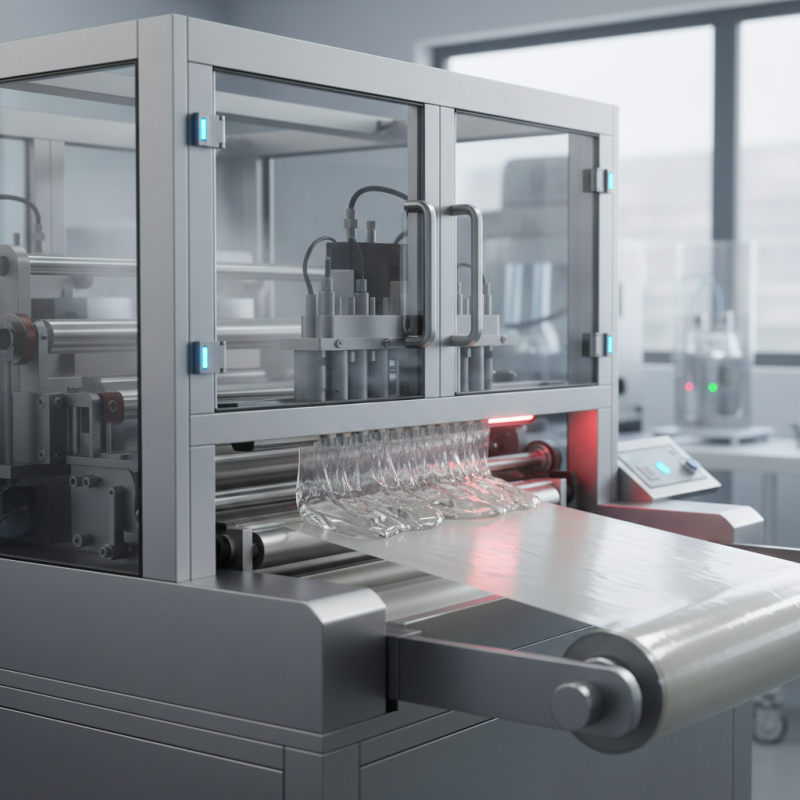
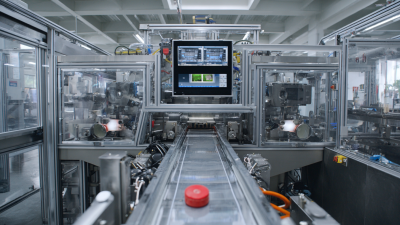
The Hydrogel Coating Machine is an innovative technology in various industries. It allows for the application of a protective hydrogel layer on different surfaces. This machine is vital for enhancing the performance and durability of products.
Hydrogel coatings serve multiple purposes. They can improve moisture retention, offer protection against abrasion, and enhance comfort. Industries from healthcare to textiles benefit from these advancements. However, the technology is not without its challenges. Users sometimes notice uneven application or issues with adhesion. These can be frustrating and may require adjustments in settings.
Understanding how a Hydrogel Coating Machine works is essential. It typically involves a series of stages, from surface preparation to the final application. Each step is crucial for ensuring quality. As we explore this technology, we can reflect on its potential and the obstacles that need addressing.
What is Hydrogel Coating Technology?
Hydrogel coating technology is an innovative method that creates a protective layer on surfaces. This coating is typically made from hydrophilic polymers. It has unique properties that allow it to hold large amounts of water. The result is a soft, gel-like layer that can improve comfort and usability in various applications.
One significant advantage of hydrogel coatings is their ability to enhance moisture retention. This is particularly useful in medical settings for wound care. The coating forms a barrier, keeping the wound moist, which accelerates healing. However, the application process can be tricky. If too much or too little coating is applied, the desired benefits may not be achieved. It can also be challenging to ensure uniform coverage on complex surfaces.
Another aspect to consider is the environmental impact. Hydrogel materials can be derived from natural or synthetic sources. While natural options may be biodegradable, synthetic variants often pose disposal challenges. It's essential to reflect on these factors when choosing hydrogel coatings for specific uses. This technology shows promise, but careful thought is required to maximize its potential.
Key Components of a Hydrogel Coating Machine
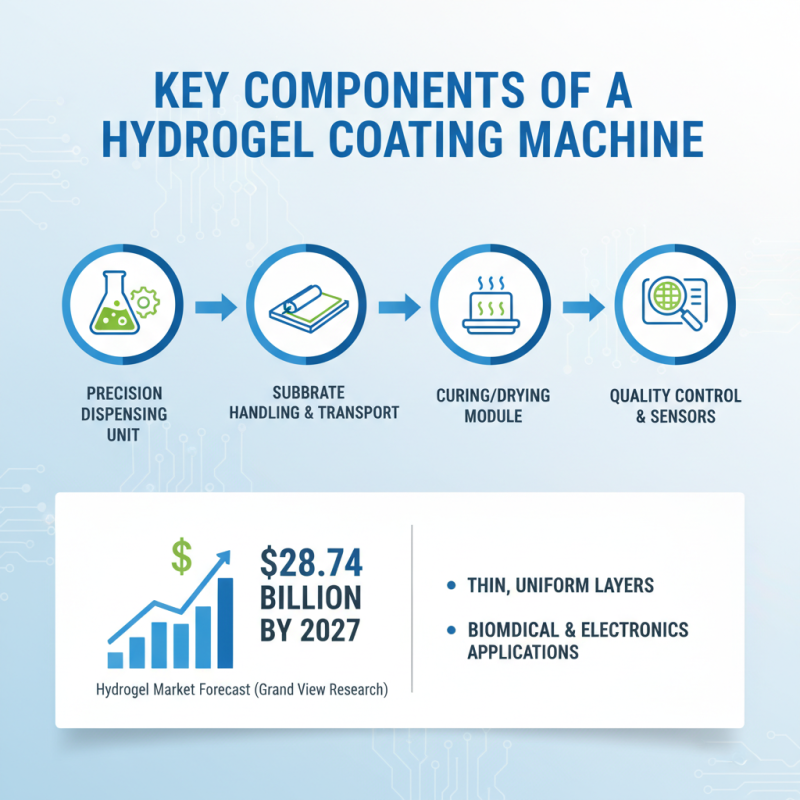
A hydrogel coating machine is designed for precise application. It creates a thin layer of hydrogel on various substrates. This technology is important in fields such as biomedical engineering and electronics. A report by Grand View Research indicates that the hydrogel market is expected to reach $28.74 billion by 2027, highlighting significant demand.
Key components of a hydrogel coating machine include the application system, curing system, and control interface. The application system usually consists of spray nozzles or rollers. These components ensure even distribution of hydrogel, which is vital for product performance. Sometimes, achieving the right consistency proves challenging. The curing system activates the gel, transforming it into a durable layer. Heated chambers are common. However, not every design ensures uniform curing, raising potential quality issues.
The control interface allows operators to adjust parameters like speed and temperature. This customizability is essential, yet it may lead to complexities. Mismanagement of settings can cause inconsistencies in product quality. Studies show that improperly calibrated machines can lead to waste and increased production costs. Thus, accuracy in setup is critical for success in this technology-driven industry.
Principles Behind the Operation of Hydrogel Coating Machines
Hydrogel coating machines play a vital role in various industries. They apply a thin layer of hydrogel, enhancing the functionality of surfaces. The basic principle relies on the gel's unique properties. Hydrogel can absorb water and swell significantly, making it ideal for protective coatings.
During operation, the machine first prepares the hydrogel mixture. This involves mixing water with polymer components. The machine controls the temperature and speed. It ensures uniform mixing. After preparation, the mixture gets applied to the target surface. This process requires precision for even coverage.
Tips: Always calibrate the machine before use. Small adjustments can prevent uneven coating. Regular maintenance is essential. Check the hoses and mixing tanks. Ensure no residue affects the next batch. Experimenting with different gel compositions can yield varied results. Don’t hesitate to revisit your settings if something doesn't work as expected. Adjust and learn from each application.
Hydrogel Coating Machines Usage Across Industries
Applications of Hydrogel Coatings Across Industries
Hydrogel coatings are transforming various industries due to their versatility and effectiveness. In healthcare, they are used for wound dressings. These coatings provide a moist environment that promotes healing. They also help reduce pain and prevent infections. Some medical devices now come coated with hydrogels. This enhances patient comfort while ensuring optimal functionality.
In agriculture, hydrogel coatings play a crucial role. They improve water retention in the soil. This is especially useful in arid regions. Seeds coated with hydrogels can absorb moisture, helping them germinate better. However, not all plants benefit equally from these coatings. Some may struggle if the hydrogel structure interferes with their growth.
The food industry is also tapping into hydrogel technology. These coatings can extend the shelf life of fruits and vegetables. They create a barrier against moisture loss and microbial contamination. Yet, there are concerns about the long-term effects of these coatings on food quality. Further research is needed to address these issues.
Overall, hydrogel coatings are making a noticeable impact across various sectors, though challenges remain.
Advantages of Using Hydrogel Coating Machines in Manufacturing
Hydrogel coating machines offer significant advantages in manufacturing. They create a protective layer that enhances both durability and functionality. This technology is particularly useful for medical devices, as the hydrogel can provide comfort and reduce friction. The application process is typically quick and efficient, saving time in production. Hydrogel coatings have excellent water retention qualities, making them suitable for various products.
Another benefit is customization. Manufacturers can adjust the properties of the hydrogel layer. This means they can control aspects like thickness and adhesion. However, this requires careful calibration and can lead to variability in results. Maintaining consistency in coating quality can be challenging. This aspect necessitates ongoing monitoring of the process to ensure optimal performance.
Moreover, using hydrogel coatings reduces the need for additional packaging. This can lower material costs and enhance environmental sustainability. Yet, some manufacturers struggle with the learning curve associated with new technology. Training staff adequately is essential to harness the full potential of hydrogel coating machines. Without proper guidance, errors may occur, affecting production efficiency.
What is a Hydrogel Coating Machine and How Does It Work? - Advantages of Using Hydrogel Coating Machines in Manufacturing
| Dimension |
Data |
| Machine Type |
Automated Hydrogel Coating Machine |
| Processing Speed |
Up to 300 units/hour |
| Coating Thickness Range |
10 µm - 100 µm |
| Materials Used |
Natural and synthetic hydrogels |
| Main Application Areas |
Pharmaceutical, biomedical, and food packaging |
| Environmental Impact |
Biodegradable options available |
| Key Advantages |
Enhanced product hydration, improved shelf-life, and flexibility |