What is a Sheet and Flat Surface Coating Machine?
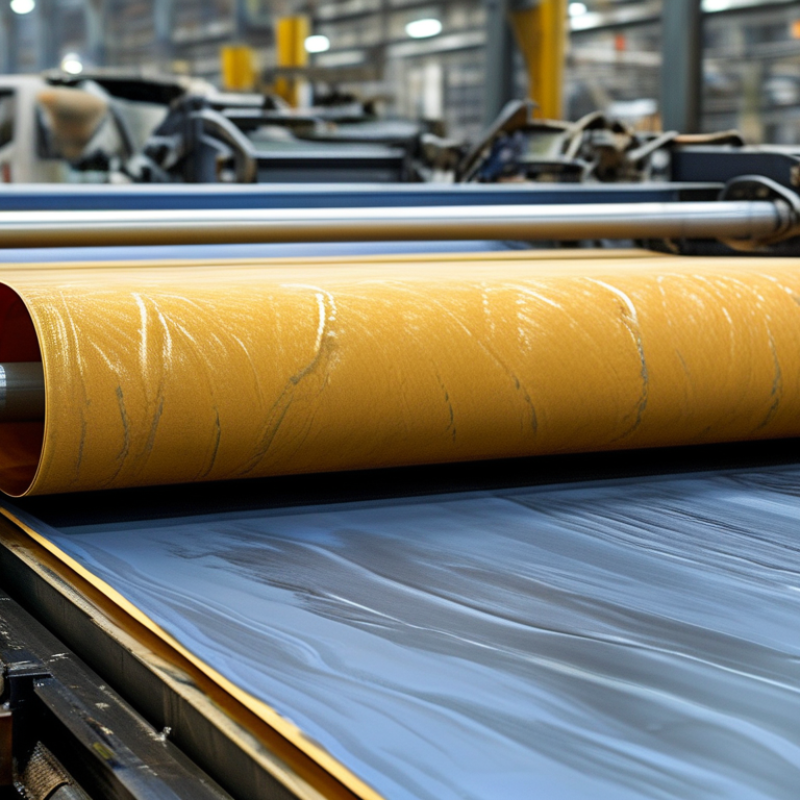
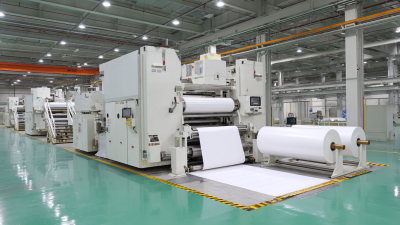
The Sheet and Flat Surface Coating Machine is an essential tool in various industries. It applies a protective layer to surfaces, enhancing durability and aesthetics. This machine is used widely in manufacturing, automotive, and printing sectors.
One notable feature is its ability to handle large sheets. This efficiency provides significant time savings in production. However, improper operation may lead to uneven coatings. Attention to detail is crucial for achieving optimal results.
Understanding the technology behind a Sheet and Flat Surface Coating Machine increases its effectiveness. Knowledge of material compatibility is fundamental, yet often overlooked. Users must reflect on the machine's capabilities and limitations to maximize its potential.
Definition and Purpose of Sheet and Flat Surface Coating Machines
Sheet and flat surface coating machines play a vital role in various industries. They are designed to apply coatings to products like metal sheets, wood panels, and plastics. These machines ensure that surfaces receive even and consistent coatings. The coatings can vary from paints to protective films, depending on the intended use.
The purpose of these machines goes beyond mere aesthetics. Coatings protect surfaces from corrosion, wear, and environmental factors. They enhance product durability and often improve hygiene in industries like food processing. However, achieving the perfect coating can be challenging. Factors such as temperature, humidity, and the nature of the materials can affect results. In some cases, adjustments may be necessary to achieve the desired finish. Without careful calibration, defects may occur, leading to wasted materials and time.
These machines embody a blend of technology and craftsmanship. Operators must understand the intricacies of the equipment and the materials being coated. This expertise is crucial for achieving optimal results. Continuous learning and adaptation are essential as technologies evolve. As industries push for more sustainable and efficient processes, these machines must also adapt. The journey of mastering sheet and flat surface coating is ongoing, filled with learning opportunities and room for improvement.
What is a Sheet and Flat Surface Coating Machine? - Definition and Purpose of Sheet and Flat Surface Coating Machines
| Feature |
Description |
Applications |
Benefits |
| Operation Type |
Automatic/Bucket System |
Manufacturing, Packaging |
Efficiency, Precision |
| Material Compatibility |
Metal, Plastic, Wood |
Automotive, Furniture |
Versatility |
| Coating Type |
Liquid, Powder |
Electronics, Consumer Goods |
Durability, Aesthetics |
| Speed |
Up to 40m/min |
High-volume Production |
Increased Throughput |
| Maintenance |
Low |
All industries using Coatings |
Cost-effective |
Key Components and Features of Coating Machines
A sheet and flat surface coating machine serves a vital role in various industries. These machines apply protective or decorative layers on flat surfaces. They ensure consistency and quality across different applications, from metal panels to glass sheets.
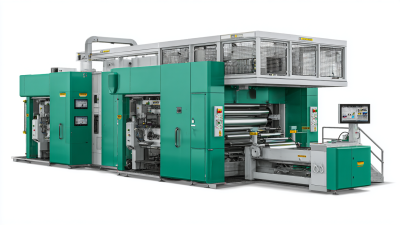
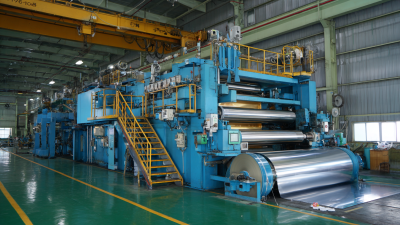
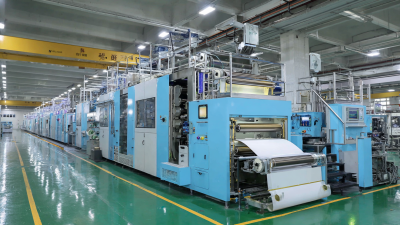
Key components of these machines include a coating head, substrate conveyor, and curing unit. The coating head is designed to apply a precise layer of material. It ensures uniform thickness, crucial for both aesthetic and functional purposes. The conveyor system moves sheets steadily, helping maintain the flow of production. However, alignment issues can sometimes arise, impacting application quality.
Another critical feature is the curing unit, which allows coatings to dry or cure effectively. This stage often influences the final product's durability. The process can be tricky, as improper settings may lead to inadequate curing, resulting in defects. Additionally, operators must regularly clean and maintain components to prevent buildup and ensure optimal performance.
Frequent adjustments may be necessary to adapt to different materials or coating types, emphasizing the need for consistent training and experience in operating these machines.
Types of Coating Processes Utilized in Sheet and Flat Surface Machines
Sheet and flat surface coating machines play a vital role in various industries. These machines apply coatings to materials for protection, aesthetics, or improved functionality. Different coating processes cater to specific needs and materials.
One commonly used process is liquid coating. This involves applying liquid paint or varnish onto a surface. It offers versatility in color and finish. However, it may require careful drying times to achieve optimal results. Another method is powder coating, which provides a durable finish. Powder coating can be more efficient but needs specific conditions. The curing process is critical, as it ensures adhesion and durability.
In addition, vacuum coating is gaining popularity. This technique uses a vacuum environment to apply thin films. It’s beneficial for materials that may be sensitive to high temperatures. However, the technology can be more complex and costly. Each method has its strengths and weaknesses. Identifying the right process requires deep knowledge of both the materials and intended use. The choice ultimately affects the performance and longevity of the coated product.
Applications of Coating Technologies in Various Industries
Coating technologies play a crucial role across various industries. In manufacturing, sheet and flat surface coating machines enhance product durability. They apply protective layers to metals, plastics, and other materials. This process improves resistance to wear, corrosion, and environmental damage. Industries such as automotive, aerospace, and construction benefit from these advancements.
In the electronics sector, coating machines provide essential protective films for circuit boards. These films prevent moisture and dust ingress. They also reduce the risk of electrical shorts. However, not all applications are perfect. Some coatings may not adhere well under specific conditions. A thorough understanding of materials is necessary for optimal results.
Textiles and packaging also utilize coating technologies. Coatings can make fabrics water-resistant or improve print quality. In packaging, coatings enhance barrier properties. They extend shelf life and maintain product integrity. Reflecting on these applications reveals areas for improvement. The quest for better adhesion and environmental sustainability continues.
Applications of Sheet and Flat Surface Coating Machines in Various Industries
Maintenance and Efficiency Considerations for Coating Machines
Maintaining a sheet and flat surface coating machine is essential for its optimal performance. Regular inspections help identify potential issues before they escalate. Operators should check the machine's components, including the coating application system and the curing unit. Look for signs of wear and tear, such as frayed belts or worn-out nozzles. Address these problems promptly to avoid costly downtime.
Efficiency in coating processes depends heavily on machine maintenance. Proper calibration ensures the coating adheres correctly and uniformly. Operators must also be aware of the temperature and humidity levels in the workspace. Extreme conditions can affect the coating's quality. Keeping detailed logs of maintenance activities can also aid in improving future performance.
It’s important to reflect on the machine's usage patterns. Sometimes, overuse can lead to premature wear. Operators may overestimate the machine's capabilities, leading to inefficiencies. Evaluating these practices can foster a more productive work environment. Achieving the best results requires a balance between usage and maintenance.