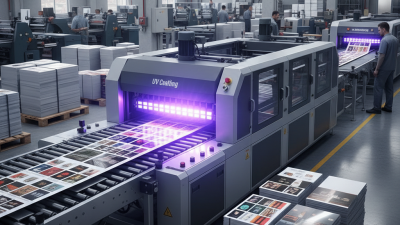
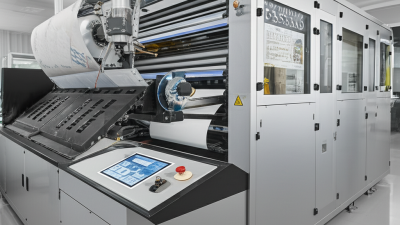
Essential Tips for Choosing a UV Coating Machine?
When selecting a UV Coating Machine, many factors come into play. Experts emphasize the importance of making an informed choice. John Smith, a leading authority in the UV coating industry, once stated, “Choosing the right UV Coating Machine can drastically impact your production quality.” His advice resonates deeply within the industry, highlighting the need for careful consideration.
The market is filled with various UV Coating Machines, each offering unique features. Understanding these features can be overwhelming. Many companies rush their decisions, prioritizing price over performance. However, this can lead to regrettable outcomes. Investing in a high-quality machine pays off in the long run, saving time and costs.
Additionally, it is essential to evaluate your specific needs. Not all UV Coating Machines are created equal; they cater to different applications. Reflecting on the right fit for your production line can make a significant difference. Things to consider include speed, ease of use, and maintenance requirements. The perfect choice will enhance your workflow and product finish, aligning with your business goals.
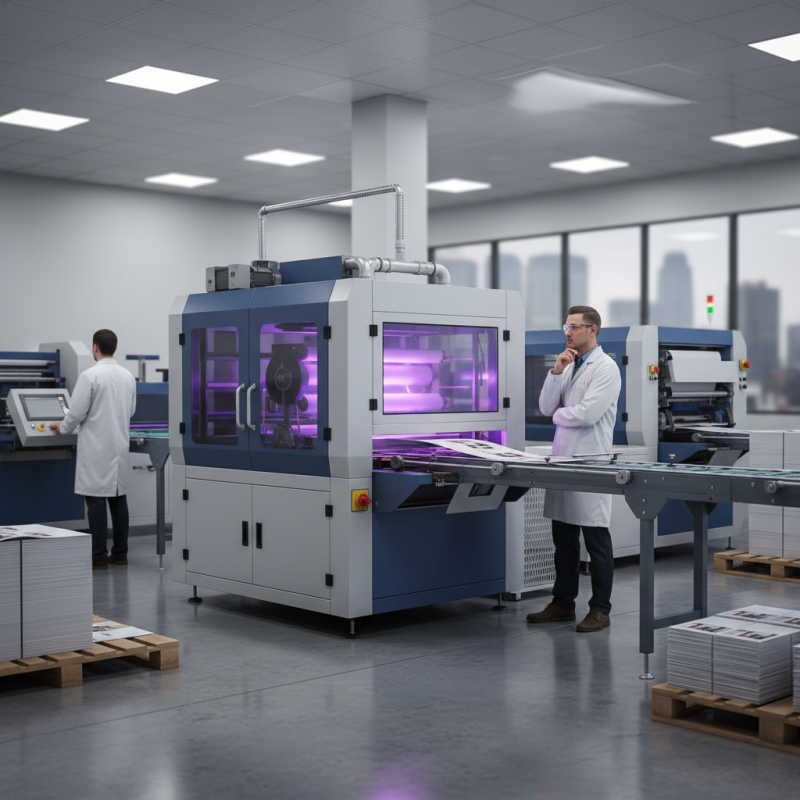
Understanding UV Coating Technology and Its Benefits in Manufacturing
UV coating technology has transformed the manufacturing landscape. It provides durable and high-gloss finishes. According to a recent industry report, 65% of manufacturers now use UV coating for various applications. This innovation meets the demand for faster production and improved surface protection.
One major benefit of UV coating is its quick curing time. The process allows for immediate handling and packing. This can lead to a 30% increase in efficiency. However, not all UV coatings deliver the same performance. Variations in formulations can impact adhesion and durability. Manufacturers need to assess compatibility with their substrates.
Environmental considerations are crucial as well. UV coatings typically contain fewer volatile organic compounds (VOCs). Studies show a reduction in emissions by up to 50% compared to traditional coatings. However, some UV curing processes require energy-intensive UV lamps. This raises questions about sustainability in the long term. The balance between performance and environmental impact is vital for responsible manufacturing.
Key Factors to Consider When Selecting a UV Coating Machine
When selecting a UV coating machine, several key factors should come into play.
The size of your projects is crucial. Smaller machines may suffice for modest tasks, while larger setups are necessary for bigger jobs.
It’s essential to evaluate your production volume as well.
High-demand operations require machines that can keep pace without compromising quality.
Consider the machine’s speed and efficiency.
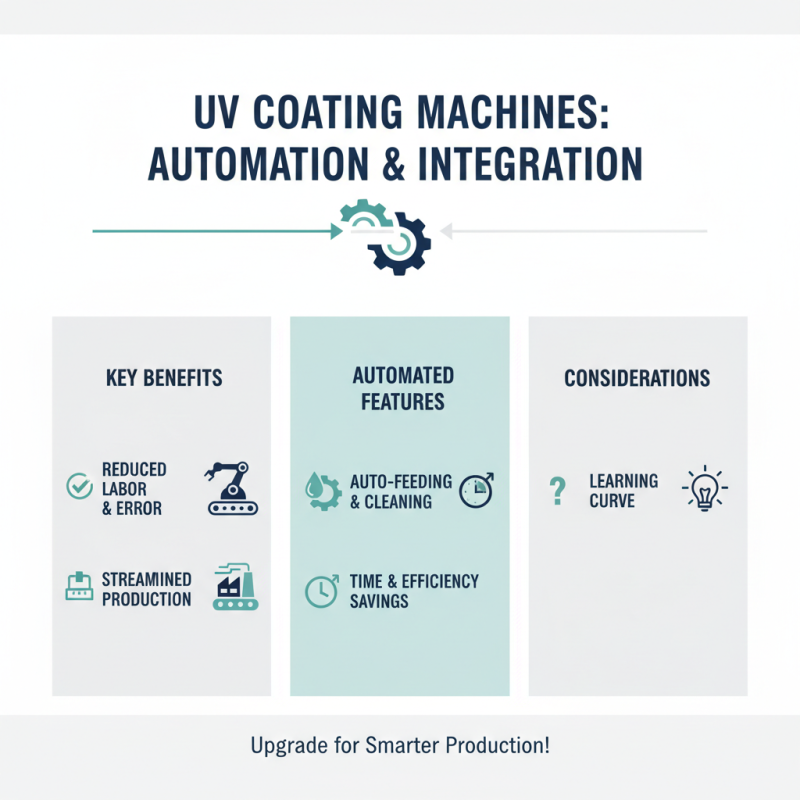
A slow machine can lead to bottlenecks in your workflow. Look for features like automated processes, which can enhance productivity.
However, more features can also complicate operation. It’s vital to strike a balance between capability and usability.
Tip: Check the machine's maintenance requirements.
A complex maintenance routine may hinder your workflow. Ensure you choose a user-friendly design.
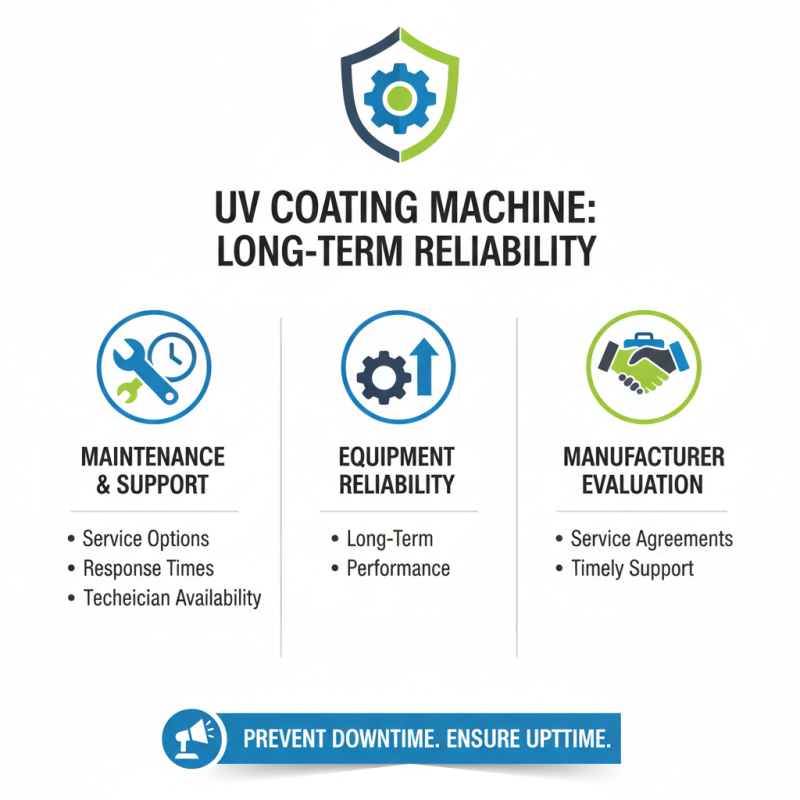
Moreover, seek machines known for their reliability.
Remember, a dependable machine will save you time and money. Reflect on your specific needs and don’t rush the decision.
A hasty choice might lead to issues later.
Analyzing Production Volume Requirements for UV Coating Applications
When considering a UV coating machine, understanding production volume requirements is crucial. Analyzing your current and future output needs can drastically affect the machine you choose. For instance, a facility producing 5,000 units per day may need a more robust solution compared to one producing 500. The efficiency and speed of UV coating machines should align with these production demands.
Industry reports indicate that manufacturers often face challenges in meeting volume requirements. About 20% of companies struggle with bottlenecks during peak production times. Small production runs can benefit from compact machines, which may lack the speed required for larger operations. Conversely, oversized machines can create unnecessary energy costs and resource waste.
Additionally, the application type plays a role in volume considerations. For example, high-gloss finishes may require different processing speeds than matte coatings. Each coating type has its own curing time and thickness specifications, directly impacting overall throughput. Flexibility in production lines helps accommodate various coating needs, but can complicate equipment selection. Careful evaluation of these factors can lead to informed decisions, aligning capabilities with realistic production goals.
Production Volume Requirements for UV Coating Applications