Top 10 Carbon Fiber Coating Machines for Global Buyers?
The demand for Carbon Fiber Coating Machines has surged in recent years, driven by the aerospace and automotive industries. According to a recent report by Grand View Research, the global carbon fiber market is expected to reach $5.7 billion by 2025, growing at a compound annual growth rate (CAGR) of 10.4%. This growth is fueled by the increasing need for lightweight and high-strength materials across various sectors.
Carbon fiber technology continues to evolve. However, buyers face challenges in selecting the right coating machines. Equipment quality, efficiency, and performance can vary significantly among manufacturers. Not all machines guarantee precise application or durability, leading to potential production inefficiencies.
As companies prioritize innovation, the demand for reliable Carbon Fiber Coating Machines increases. Buyers should consider their specific needs and the machine's capabilities. Investing in top machines can enhance productivity and reduce costs. Understanding the market landscape is crucial for making informed decisions.
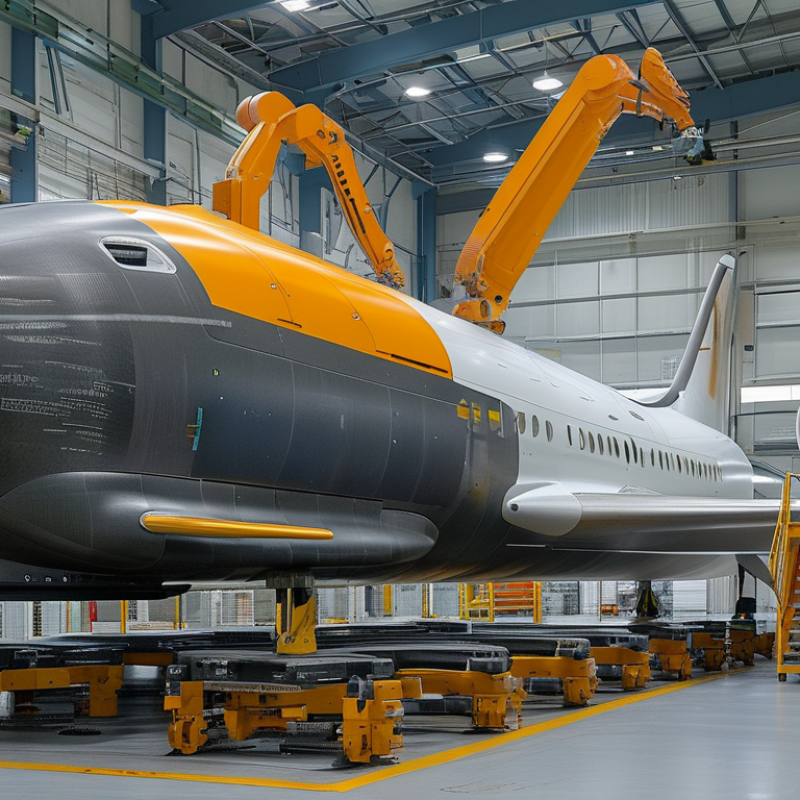
Overview of Carbon Fiber Coating Technology
Carbon fiber coating technology has gained significant traction in various industries. This is due to its ability to improve durability while reducing weight. According to a recent market report, the demand for carbon fiber coatings is projected to reach USD 3.2 billion by 2025. This growth is largely driven by the aerospace and automotive sectors, where performance and efficiency are crucial.
The coating process involves several key steps. First, a substrate is prepared to ensure optimal adhesion. Next, a resin system is applied, followed by the carbon fiber itself. This multilayer approach enhances mechanical properties. A study from the Composites Manufacturers Association indicates that carbon fiber composites can be up to five times stronger than steel while remaining lighter.
However, challenges persist in this evolving field. The high cost of raw materials can limit accessibility for small manufacturers. Additionally, the environmental impact of production methods is under scrutiny. As the industry moves forward, balancing performance with sustainability will be essential. Innovative solutions must be explored to address these pressing concerns.
Key Features to Consider in Carbon Fiber Coating Machines
When selecting a carbon fiber coating machine, key features are crucial for optimal performance. High precision stands out as a vital need. A machine that offers tight tolerances enhances the reliability of the coating process. According to a recent industry report, precision can reduce production defects by up to 15%. That’s significant for manufacturers aiming for higher quality outputs.
Another essential aspect is automation capability. Advanced machines often come equipped with automated features. These can streamline operations and cut labor costs. Research shows that automated systems can improve efficiency by 30%. However, it's important to consider the learning curve associated with these technologies. Not all staff may adapt quickly, which can pose challenges.
Lastly, consider the machine's versatility. The ability to work with various resin types and fiber composites broadens your production possibilities. While some machines excel with specific materials, versatility can lead to unexpected limitations in production. This is where further analysis is needed, as flexibility in machinery may necessitate compromises in performance or efficiency. Focused evaluations of these features will guide buyers towards making informed decisions.
Top Manufacturers of Carbon Fiber Coating Machines Worldwide
When discussing top manufacturers of carbon fiber coating machines, several key players stand out. Their expertise in this niche field ensures high-quality production. These companies utilize advanced technology to enhance durability and performance. Their machines cater to various industries, from aerospace to automotive.
Tips: Look for manufacturers with a strong reputation. Check for client reviews and case studies. These insights provide clarity on machine performance.
Some latest models feature automation capabilities. This reduces labor costs while increasing efficiency. However, not all manufacturers adopt the latest technology. It’s essential to research and compare specifications. This will ensure you select a machine that meets your production needs.
Tips: Investigate energy efficiency ratings. Machines that consume less energy are often more desirable for long-term operations. Balance your budget with productivity needs.
The carbon fiber coating market is evolving. New technologies emerge regularly, yet not every manufacturer keeps pace. Stay updated with industry innovations, as this knowledge can guide your purchasing decisions. Evaluate the importance of customer support and training. Both are vital for a smooth operational transition.
Comparative Analysis of Performance Metrics in Coating Machines
In the world of coating technology, understanding performance metrics is crucial. Different machines exhibit varying levels of efficiency, precision, and consistency. Evaluating these factors helps users determine which machine best fits their production needs. For instance, throughput ratios and application uniformity directly impact output quality and operational costs. A machine with a higher throughput may promise better productivity but could suffer if the coating consistency is compromised.
Testing has shown that certain models demonstrate superior adhesion properties. However, reliability over extended periods often raises questions about wear and tear. Users must consider maintenance requirements, as some machines need frequent calibration to maintain optimal performance. Often, the best performance metrics can be misleading. A machine might excel in lab tests but fail under real-world conditions. Users should prioritize hands-on experience and peer feedback when evaluating options.
Choosing the right carbon fiber coating machine is not straightforward. Factors such as environmental conditions and substrate types complicate the selection process. The ideal option for one user may not suit another. Transparency about each machine’s limitations can lead to better decision-making. Users should be encouraged to reflect on their specific needs and production goals. Understanding these nuances helps align expectations with reality, crucial for successful machine integration.
Future Trends in Carbon Fiber Coating Machine Development
The future of carbon fiber coating machines looks promising, driven by advancements in technology. A recent report by Market Research Future predicts a compound annual growth rate (CAGR) of 6.5% in the carbon fiber market by 2027. This indicates a rising demand for efficient coating solutions. Innovations in automation and artificial intelligence are expected to enhance production efficiency while reducing costs.
Embedded within this growth are challenges. Manufacturers strive to optimize the coating process for different applications. Yet, achieving uniformity remains a concern. Industry experts stress the importance of precision in the application method. The development of eco-friendly coatings is gaining traction, responding to sustainability trends. However, these materials often present technical complexities that require additional research.
Collaboration between manufacturers, researchers, and end-users will be crucial. Sharing knowledge and expertise can lead to breakthroughs in performance. As businesses adapt to changing market needs, ongoing development is essential. The journey toward fully optimized carbon fiber coating machines has just begun, and challenges lie ahead. Insights from industry data will guide future innovations, ensuring that the machines meet evolving production standards.