Top 10 Hydrogen Fuel Coating Machines You Need to Know?
The hydrogen economy is taking shape, and at its heart lies the Hydrogen Fuel Coating Machine. Experts like Dr. Emily Carter, a leader in renewable energy technology, emphasize its crucial role. “These machines are not just tools; they are the future of clean energy production,” she asserts, highlighting their importance.
Hydrogen Fuel Coating Machines utilize advanced technology to enhance fuel efficiency. By applying specialized coatings, they improve the durability and performance of hydrogen fuel cells. This innovation can significantly reduce costs associated with hydrogen production. However, understanding these machines requires more than just technical knowledge. Their impact on the environment and economy cannot be overstated.
Despite the promise they hold, challenges remain. Not all manufacturers offer reliable products. Some machines may have varying performance levels, leading to inconsistencies in results. As the industry develops, choosing the right machine becomes a critical task. Integrating innovative solutions while considering reliability is essential for a successful transition to hydrogen energy.
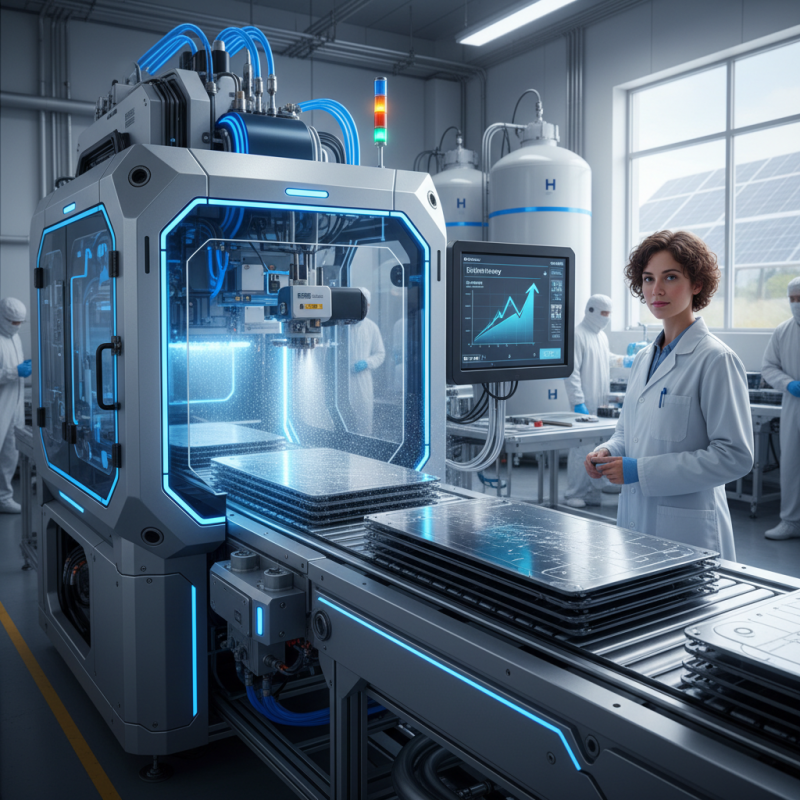
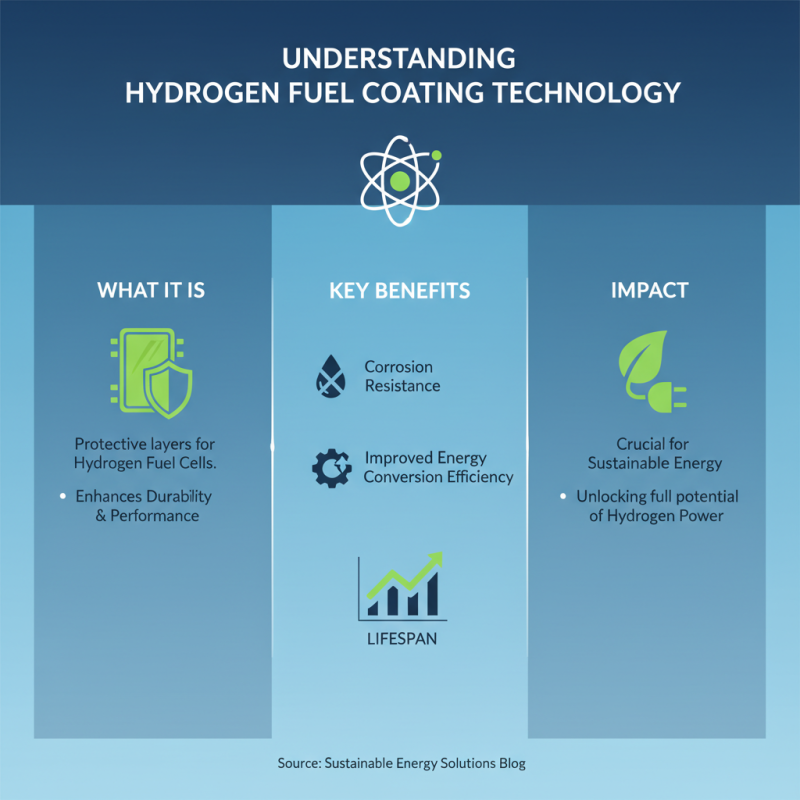
Understanding Hydrogen Fuel Coating Technology
Hydrogen fuel coating technology is an emerging field with vast potential. This innovation involves creating coatings that enhance the durability and performance of hydrogen fuel cells. These coatings often provide protection against corrosion and improve the efficiency of energy conversion. Understanding this technology is crucial for those involved in sustainable energy solutions.
Tips: Always consider the material compatibility before applying coatings. Each substance interacts differently, which can impact performance. Testing in small batches can save time and resources.
The technology is still evolving. Research reveals some coatings fail to adhere properly. This can lead to premature wear and diminished efficiency. It's vital to choose a coating application method that ensures uniform coverage on surfaces.
Tips: Monitor environmental conditions during coating application. Humidity and temperature can affect the bonding process. Keep records of your testing conditions for future reference.
Exploring the various methods of applying hydrogen fuel coatings is essential. Different techniques can yield different results. Some may find that spray, dip, or brush methods all have their pros and cons. Each method deserves careful evaluation to determine its effectiveness.
Key Features of Top Hydrogen Fuel Coating Machines
Hydrogen fuel coating machines are essential for various industries, particularly in clean energy production. These machines enhance the efficiency of hydrogen fuel cells. Key features to look for include coating uniformity, speed of application, and durability of materials used. Studies suggest that uniform coating can improve fuel cell performance by up to 20%.
Factors like automation and precision are critical. Automated processes reduce human error and increase consistency in coatings. Precision ensures that even the finest substrates receive the proper thickness of coating. A detailed evaluation of machinery capabilities can reveal disparities in performance. This can lead to costly operational inefficiencies if not adequately addressed.
**Tips:** Always consider machine maintenance history. Regular upkeep minimizes downtime. Additionally, evaluate user reviews and industry reports before making any decisions. Not all machines will meet your unique requirements. Understanding these aspects can greatly enhance your investment.
Top 10 Hydrogen Fuel Coating Machines - Performance Comparison
Comparative Analysis of Leading Hydrogen Coating Equipment
Hydrogen coating technology is advancing rapidly. A recent report from the International Energy Agency (IEA) notes a significant rise in the demand for hydrogen solutions by 2030. This shift is partly due to growing environmental concerns and the need for sustainable fuel alternatives. Manufacturers are tasked with finding efficient coating machines to support this transition.
Comparative analyses of hydrogen coating machines reveal varying capabilities and efficiencies. For example, some machines achieve coating thicknesses of just a few micrometers, ensuring excellent bonding and performance. Others may cover larger surface areas but at reduced precision. The choice of equipment can greatly impact the final product's quality. Manufacturers often face challenges balancing speed and accuracy in production.
Operational feedback indicates that maintenance and operational costs are major considerations. Some advanced machines require specialized training. Data suggests that a well-calibrated machine can enhance overall efficiency by up to 30%. Yet, misalignment and technical glitches can lead to waste and delays. Continuous evaluation of machine performance remains crucial for improving production processes.
Applications and Benefits of Hydrogen Fuel Coating
Hydrogen fuel coating technology is gaining traction for its diverse applications and notable benefits. This method enhances the performance of various materials by providing a protective layer that improves durability. Industries such as automotive, aerospace, and energy storage are leveraging these coatings for improved efficiency and safety.
One significant advantage is the coating's resistance to corrosion. It prolongs the lifespan of components exposed to harsh environments. Additionally, hydrogen fuel coatings can increase thermal stability. This is crucial for parts subjected to extreme temperatures, as it prevents degradation. The lightweight nature of hydrogen coatings can also contribute to overall fuel economy, an essential factor in competitive industries.
Tips: Ensure proper surface preparation before coating application. This step is vital for achieving maximum adhesion and durability. Also, always consider the environmental impact of your coating processes. Reducing waste and optimizing resources can lead to better sustainability practices. Regular maintenance of coated surfaces is essential to maintain their protective qualities over time. Keep an eye on industry developments to stay informed about new technologies and improvements.
Top 10 Hydrogen Fuel Coating Machines You Need to Know
| Machine Model |
Coating Thickness (μm) |
Application Area |
Efficiency (%) |
Key Benefits |
| Model A |
10-50 |
Automotive |
85 |
Durability, Cost-effective |
| Model B |
15-60 |
Aerospace |
90 |
Lightweight, High-performance |
| Model C |
5-35 |
Electronics |
80 |
Precision Coating, High Efficiency |
| Model D |
20-70 |
Medical |
88 |
Biocompatibility, Corrosion Resistance |
| Model E |
30-80 |
Industrial |
92 |
Energy Efficient, Versatile |
Future Trends in Hydrogen Fuel Coating Machinery
The field of hydrogen fuel coating machinery is rapidly evolving, focusing on sustainability and efficiency. Innovations are addressing challenges in energy storage and transportation. Advanced coatings improve the lifespan and performance of hydrogen fuel cells. More manufacturers are investing in research to develop eco-friendly solutions.
Tips: Always choose machinery that meets environmental standards. This is crucial for long-term success. Regular maintenance can extend the machine's life. Understand that no technology is perfect; be ready to adapt.
Emerging trends highlight automation in coating processes. Smart technologies use AI to optimize performance. Predictive maintenance could revolutionize the industry. However, this reliance on technology may bring risks of system failures. Continuous workforce training is essential to keep pace with these advancements.
Experimentation with new materials is gaining traction. Hybrid coatings may enhance durability and efficiency. Yet, it's important to evaluate these new materials' environmental impact. Assessing the lifecycle is vital for each innovation. Always remain critical of new approaches in the market.