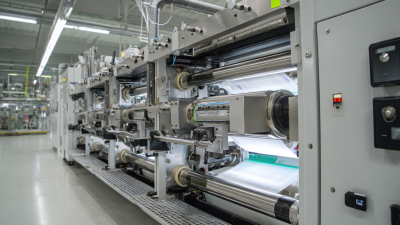
Top Micro-gravure Coating Machines to Buy in 2026?
Micro-gravure Coating Machines are essential in various industries, from packaging to electronics. In 2026, the demand for high-quality coating solutions will grow. Choosing the right micro-gravure machine can be daunting, given the options available.
Expert opinions suggest looking for machines with advanced features. These features ensure precise application and efficiency. New models will likely include improved technology for better performance. However, not all machines meet industry standards.
Exploring multiple brands is wise. Some may not deliver consistent results. Researching customer reviews can provide insight. Seek machines that offer reliability and support. Investing time in understanding micro-gravure coating technology can pay off.
Overview of Micro-gravure Coating Technology and Its Applications
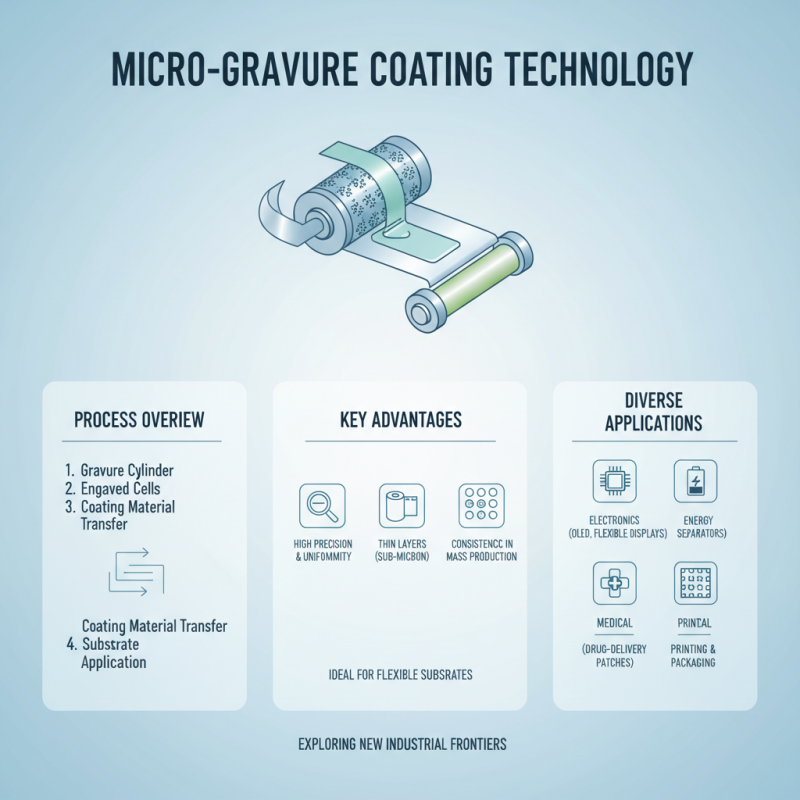
Micro-gravure coating technology is gaining traction in various industries. This process utilizes a gravure cylinder to apply thin layers of coating materials. It is ideal for producing high-quality prints and coatings on flexible substrates. The precision of this technology ensures consistency across large production runs.
Applications of micro-gravure coatings include packaging, electronics, and automotive components. In packaging, this technology enhances barrier properties, extending shelf life for food products. In the electronics sector, it improves the functionality of circuit boards. It's fascinating to note that small adjustments in the coating process can lead to significant variations in the final product.
Despite its advantages, challenges exist. The setup costs can be high, which may deter small manufacturers. Moreover, the learning curve for operators is steep. Achieving the perfect coating thickness often requires trial and error. Companies should carefully evaluate their needs before investing in this technology.
Key Features to Look for in Micro-gravure Coating Machines
When considering micro-gravure coating machines, it is essential to focus on key features that affect performance. One critical aspect is the precision of the coating. Machines should deliver uniform coatings to ensure product quality. A reliable machine minimizes variations in layer thickness, which can lead to defects.
Another important feature is the speed of operation. High-speed machines can significantly increase productivity. However, faster speeds can sometimes compromise coating quality. It’s vital to find a balance between speed and precision. Efficiency also relies on the machine's ability to handle various substrate materials. This capability allows for versatility in production, catering to different market demands.
User-friendly interfaces are worth noting as well. A machine that is easy to operate can reduce training time and operational errors. Operators should be able to adjust settings quickly and accurately. Some machines feature automated cleaning systems, enhancing efficiency. However, these systems can be complex and require regular maintenance. It's crucial to ponder whether the investment in these features will pay off in your specific application.
Top Micro-gravure Coating Machines to Buy in 2026
| Model |
Max Speed (m/min) |
Coating Thickness (µm) |
Features |
Price Range (USD) |
| Model A |
200 |
1-5 |
High Precision, Easy Operation |
$10,000 - $15,000 |
| Model B |
250 |
2-8 |
Automatic Feeding, User-Friendly Interface |
$12,000 - $18,000 |
| Model C |
180 |
1-6 |
Eco-Friendly, Low Maintenance |
$8,000 - $12,000 |
| Model D |
230 |
1-7 |
Modular Design, Versatile Applications |
$11,000 - $16,000 |
Top Brands and Manufacturers of Micro-gravure Coating Machines in 2026
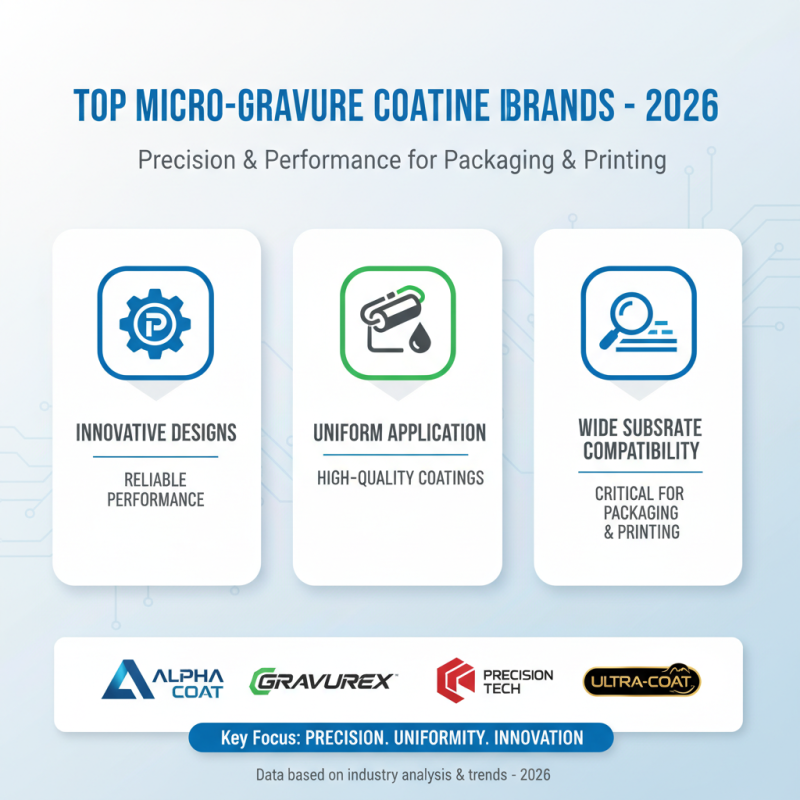
The micro-gravure coating industry is witnessing rapid evolution. As we approach 2026, several key brands stand out for their innovative designs and reliable performance. These brands focus on precision, allowing for high-quality coatings on various substrates. Their machines ensure uniform application, which is critical for industries like packaging and printing.
Understanding the needs of the market is essential. Many manufacturers are investing in advanced technologies to improve efficiency. Automation is becoming a strong trend, enabling quicker setups and reduced waste. However, it's crucial to reflect on the balance between automation and skilled labor. The perfection of machine operation still relies on human expertise.
Some manufacturers are yet to fully meet sustainability standards. The push for eco-friendly solutions is growing. Companies are challenged to innovate responsibly, considering environmental impact. Engaging with industry trends and customer feedback is vital for success. As the market evolves, ongoing research and adaptability will determine which brands rise to the top in quality and reliability.
Cost Considerations: Budgeting for Micro-gravure Coating Investments
When planning for micro-gravure coating investments, budget is a critical factor. Industry reports indicate that the average initial cost of these machines ranges from $100,000 to $500,000. This wide range reflects variations in technology, capacity, and additional features. It's essential to assess your production needs to find a machine that provides long-term value.
The ongoing operation costs can also impact your budget. Maintenance, training, and materials contribute significantly. For instance, a well-maintained machine can reduce unexpected downtime, which may cost businesses thousands annually. Many experts suggest allocating 15-20% of your total investment for maintenance to ensure optimal performance.
Investing in micro-gravure coating machines requires careful consideration. Understanding both initial and ongoing costs helps in making informed decisions. However, it's vital to reflect on the potential return on investment. Calculating how quickly a machine can pay for itself through increased efficiency and reducing waste can guide your budgeting process.
Investment Analysis of Micro-gravure Coating Machines in 2026
Future Trends in Micro-gravure Coating Machines and Innovations
Micro-gravure coating machines are evolving rapidly. These machines play a critical role in various industries, including packaging and printing. The future will likely see increased automation, making these machines more efficient. Innovations in technology may enhance precision and reduce waste. Improved user interfaces will simplify operation and maintenance.
Tips: When selecting a micro-gravure coating machine, consider the specific needs of your production line. Research user experiences to gauge reliability and efficiency.
Another emerging trend is eco-friendly materials. Companies are increasingly prioritizing sustainability. Machines that can handle biodegradable inks and coatings will gain traction. Innovations in energy consumption also matter. Reducing energy use not only cuts costs but also minimizes environmental impact.
Tips: Always inquire about energy efficiency ratings. Examine how these machines can integrate with existing systems. This will ensure a smoother transition and better long-term performance.