What is Transfer Coating Machine and How Does It Work?
The Transfer Coating Machine plays a crucial role in modern manufacturing. This equipment enables efficient application of coatings on various substrates. It improves product durability and appearance, key factors for consumer satisfaction.
Dr. Jane Smith, an expert in industrial coating technologies, emphasizes, "The Transfer Coating Machine transforms how surfaces are finished." Her insights highlight the machine's impact on production efficiency. However, the technology is not without its challenges. One must consider the compatibility of materials and the need for precise settings.
A Transfer Coating Machine requires careful calibration and monitoring. Improper use can lead to coatings that fail to adhere correctly. These issues underscore the importance of expertise in operation. Manufacturers must continuously adapt to evolving materials and techniques. As the industry grows, the Transfer Coating Machine will remain integral to achieving high-quality finishes.
What Is a Transfer Coating Machine?
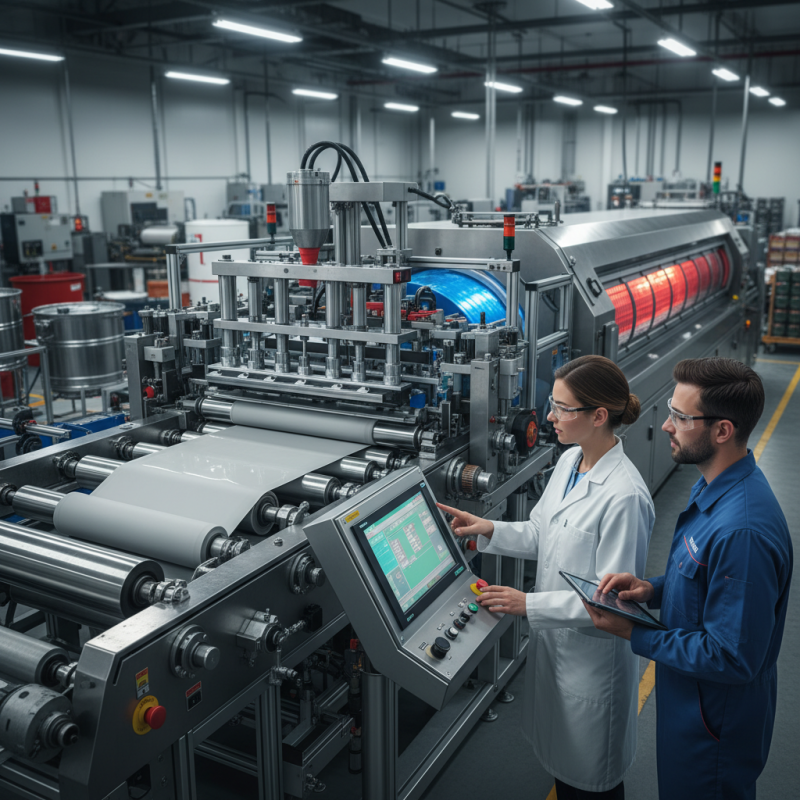
A transfer coating machine is a specialized equipment used in various industries for applying a thin layer of material onto a substrate. This process is crucial in manufacturing, particularly in sectors such as aerospace, automotive, and electronics. According to a 2022 industry report, over 40% of manufacturers rely on transfer coating technology for enhancing surface properties and improving product durability.
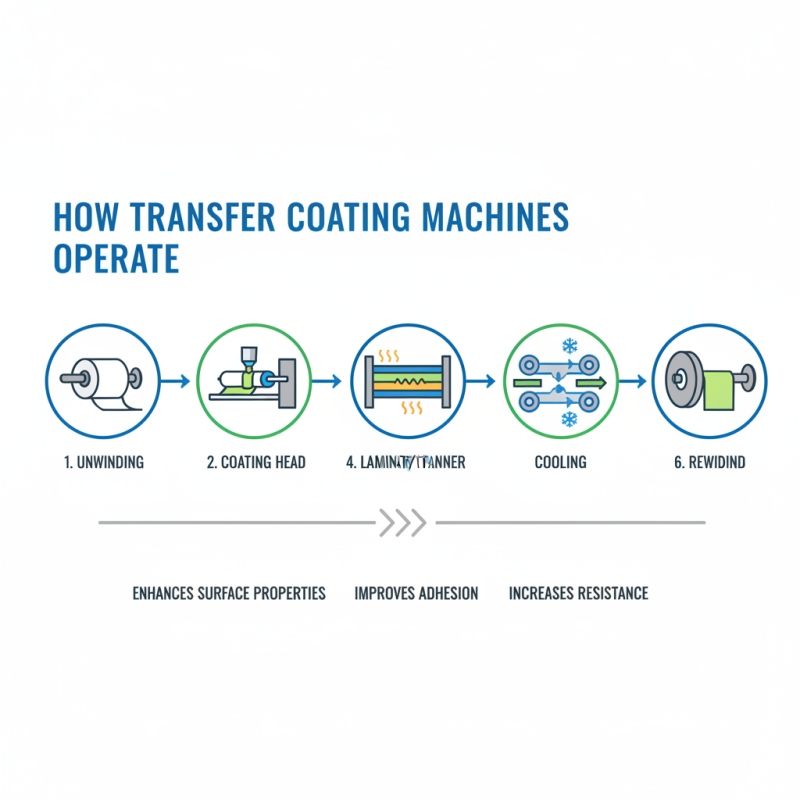
The machine operates by transferring a coating material from a carrier to a surface. This transfer occurs through controlled pressure and temperature. The precision of this process can significantly impact the quality of the final product. A study conducted by the Coating Technology Association revealed that improper settings can lead to defects, which may go unnoticed during production but result in product failures later.
Users often report challenges in achieving consistent results. Factors such as substrate cleanliness and environmental conditions can affect the adhesion of the coating. Moreover, continuous advancements in coating materials introduce complexities that require constant adaptation. Even experienced operators face difficulties in maintaining optimal conditions, indicating a need for ongoing training and development in the use of transfer coating machines.
The Main Components of a Transfer Coating Machine
Transfer coating machines are sophisticated devices that apply a layer of coating onto a substrate. Understanding their main components can clarify their functionality and importance. These machines typically consist of several key parts that work together seamlessly.
The heating unit is essential. It ensures that the coating material reaches the required viscosity. This allows for easy application. Next, the transfer roller plays a crucial role. It picks up the coating and transfers it onto the desired substrate. The precision of this component significantly affects the coating’s uniformity. The drying section follows. This is where the coated substrate is passed through heated air or UV light to set the coating effectively.
While these machines are effective, their setup can be complex. Operators must be trained to ensure that all components function harmoniously. Misalignment can lead to uneven coatings, which can be frustrating. Moreover, regular maintenance is critical. Neglecting any part may result in decreased efficiency. Understanding these aspects can help users optimize their transfer coating process.
Applications of Transfer Coating Machines in Various Industries
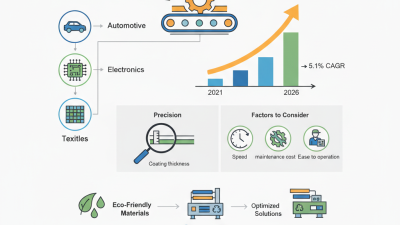
Transfer coating machines play a crucial role in many industries, offering efficient surface treatment solutions. These machines are used widely in the automotive, electronics, and medical sectors. The automotive industry alone reported a significant demand growth of around 8% annually for high-quality coatings, reflecting the need for effective transfer coating technology.
In the electronics sector, the rise of smart devices has increased the necessity for advanced coating applications. Recent studies show that the global market for electronics coatings is projected to reach $18 billion by 2025. Transfer coating machines help ensure that electronic components are adequately protected, enhancing durability and performance. However, some companies struggle with ensuring uniformity in coating, leading to potential product failures.
The medical industry also benefits from transfer coating machines. They are essential for manufacturing devices such as surgical instruments and implants, where precision is critical. The medical device coatings market is expected to rise by 10% each year. Yet, inconsistencies in coating application can jeopardize patient safety, highlighting the need for constant improvements in technology and processes.
Applications of Transfer Coating Machines in Various Industries
Benefits of Using Transfer Coating Machines in Manufacturing
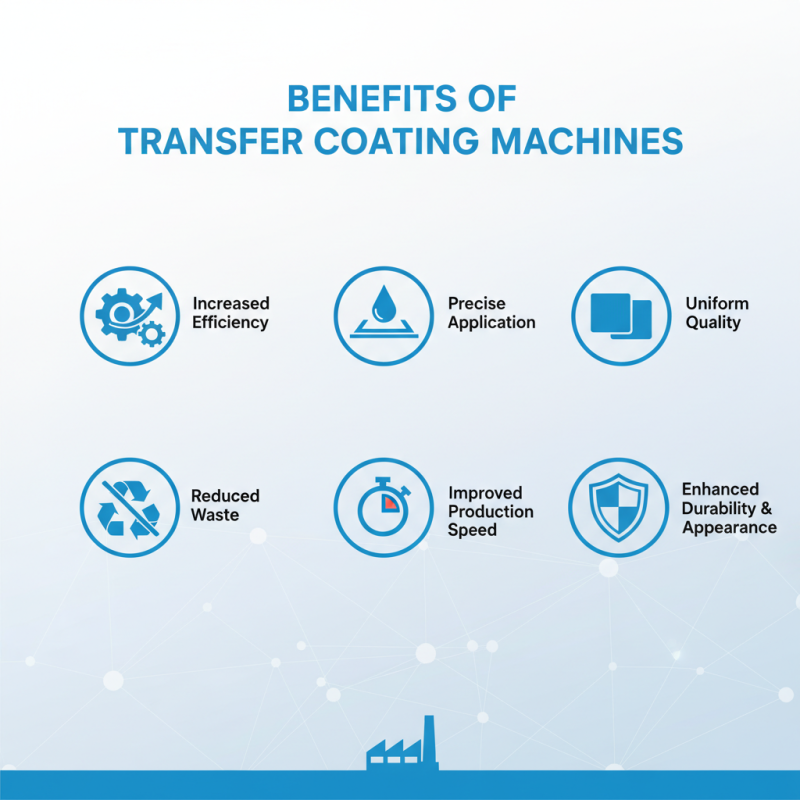
Transfer coating machines have become vital in modern manufacturing. These machines allow for precise application of coatings to various surfaces. The process is efficient, promoting uniform quality across products. Manufacturers benefit from reduced waste and improved production speeds. Coatings can enhance surface properties, making items more durable and visually appealing.
One significant advantage is the versatility of these machines. They can be used on different materials, from plastics to metals. This flexibility can simplify production lines, reducing the need for multiple machines. Additionally, transfer coating can minimize human error during the application process. However, some manufacturers struggle with maintenance and require a skilled workforce to operate these machines effectively.
Despite the advantages, challenges remain. Understanding the technology is essential for optimal results. Some users may face issues with adhesion or coating consistency. Regular training and updates on best practices can help. Experimentation with different materials and techniques may yield better outcomes, but these can take time and resources. Embracing a mindset of continuous improvement is crucial in leveraging the full potential of transfer coating machines.