Leave Your Message
Please agree to this agreement

7 Best Micro-gravure Coating Machines for Sale?

Choosing among the 7 best Micro-gravure Coating Machine options requires more than comparing prices and catalog photographs. A reliable decision begins with the coating job itself: substrate type, coating weight, liquid viscosity, web width, production speed, and drying requirements. Film, foil, paper, and specialty laminates can react differently under identical settings. Small changes matter. A pressure adjustment can alter edge coverage. A worn gravure roll can create visible streaks.

Dr. Edward D. Cohen, a respected coating technology author, often emphasizes this practical principle: “Coating is a process, not merely a machine.” That idea should guide every equipment comparison. The strongest machines offer controlled metering, stable web tension, accurate pump delivery, quick roll changes, and accessible cleaning points. Operators should also examine doctor-blade design, roll-cell geometry, temperature control, exhaust capacity, and automation features. Good engineering reduces waste. It does not remove every risk.

This guide reviews seven machines for sale through an operational lens. It considers laboratory coaters, compact pilot systems, and production-scale equipment. Real value depends on repeatability, service support, spare-part access, and operator training. A low purchase price may become expensive when downtime increases. That is easy to overlook.

There is no universal winner.

Some buyers may prefer precision. Others may need speed, flexibility, or a smaller footprint. The final choice should match measurable production needs, not attractive specifications alone. Even experienced teams should test representative materials before signing an order. Mistakes happen. Careful trials expose them early.

7 Best Micro-gravure Coating Machines for Sale?

What Is a Micro-Gravure Coating Machine?

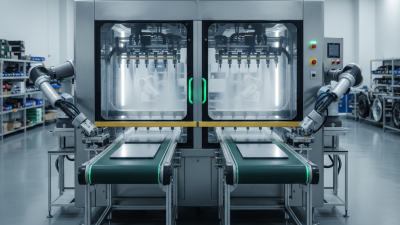
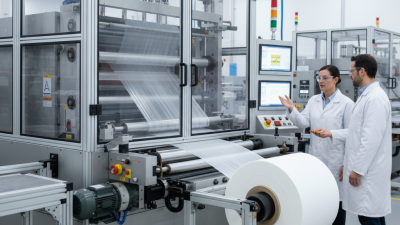
A micro-gravure coating machine applies a thin, controlled liquid layer through an engraved roller. Its microscopic cells pick up coating and release it onto moving film, foil, paper, or other substrates. This differs from flood coating, which covers a wider surface with less precise metering. Micro-gravure systems are valued for uniform films, low material waste, and accurate coating weights. Typical wet-film thickness may range from 1 to 20 micrometres, depending on viscosity, roller-cell volume, speed, and drying conditions.

Smithers’ The Future of Flexible Packaging to 2029 reports that flexible packaging demand is growing by roughly 3% annually. That pressure encourages converters to reduce coating consumption without weakening performance. PMMI’s 2024 Global Packaging Trends report also highlights automation, waste reduction, and process control as major equipment priorities. In practice, though, production is less tidy. Dust, uneven tension, and temperature changes can disturb coating uniformity. A machine may meet its specification, yet still require careful operator adjustment. That detail is easy to underestimate.

Tips: Check coating viscosity, web tension, roller condition, and drying capacity together. Do not judge a machine by speed alone. Request trial data using your actual substrate and coating. Measure coat weight across the web. A small variation can become visible after lamination.

7 Best Micro-gravure Coating Machines for Sale? - What Is a Micro-Gravure Coating Machine?
Machine Configuration Typical Web Width Coating Speed Typical Wet-Coating Range Suitable Substrates Coating Materials Key Advantages Best Application
Compact Laboratory Micro-gravure Coater 100–300 mm 0.5–20 m/min 0.5–20 µm Plastic film, paper, coated foil, laboratory samples Water-based coatings, solvent-based coatings, primers, adhesives Small material consumption, precise process adjustment, compact footprint Formula development, coating trials, and quality-control testing
Single-Sided Roll-to-Roll Coater 300–600 mm 5–60 m/min 1–30 µm PET, BOPP, CPP, paper, aluminum foil Functional coatings, inks, primers, release coatings Continuous production with consistent coating thickness Flexible packaging, labels, films, and specialty paper
Double-Sided Micro-gravure Coating Line 400–800 mm 5–50 m/min 1–25 µm per side Polymer films, metalized films, paper, thin foil Adhesives, conductive coatings, barrier coatings, primers Coats both sides in one production sequence and reduces handling Multilayer films, battery materials, and specialty laminates
Vacuum-Assisted Micro-gravure Coater 300–700 mm 5–40 m/min 0.5–15 µm Thin polymer film, copper foil, aluminum foil, coated paper Low-viscosity functional coatings, conductive inks, primer solutions Improves coating transfer and helps reduce air entrapment at low coat weights Electronic films, energy-storage materials, and precision primers
Hot-Air Drying Micro-gravure Coater 500–1,000 mm 10–80 m/min 1–35 µm Paper, PET, BOPP, nylon, aluminum foil Water-based coatings, solvent-based coatings, varnishes, inks Integrated drying section supports higher throughput and controlled solvent removal Packaging films, decorative films, and printed web materials
UV-Curing Micro-gravure Coating Machine 300–800 mm 5–60 m/min 1–20 µm Plastic film, paperboard, metal foil, synthetic paper UV-curable varnishes, hard coats, protective coatings, UV adhesives Rapid curing, low thermal load on the substrate, and high surface gloss potential Protective layers, decorative surfaces, labels, and printed products
Pilot-Scale Precision Micro-gravure Line 600–1,200 mm 10–100 m/min 1–40 µm Film, foil, paper, nonwoven materials, coated technical textiles Adhesives, barrier coatings, conductive coatings, primers, specialty inks Wider process window, interchangeable gravure rolls, and scalable production data Scale-up studies, pre-production validation, and specialty coating manufacture
What is a micro-gravure coating machine? A micro-gravure coating machine applies a controlled thin layer of liquid onto a moving web by transferring coating from the engraved cells of a precision gravure roll. Actual speed, coating weight, web width, drying requirements, and material compatibility vary according to the gravure-roll specification, coating viscosity, substrate, and line configuration.

Key Factors for Choosing a Micro-Gravure Coater

Choosing a micro-gravure coater requires more than comparing purchase prices. Start with the coating process. Measure viscosity, solids content, target coat weight, substrate width, and operating speed. A machine designed for 1–3 gsm may perform poorly with heavier coatings. Request a wet-coating trial using your actual film, paper, or foil. Small changes can expose pinholes, streaks, or uneven edges.

Drying capacity deserves close attention. The International Energy Agency reports that industry uses about 37% of global energy, making efficient thermal systems increasingly important. Select dryers with stable airflow, accurate temperature control, and practical heat recovery options. Smithers’ flexible packaging research also identifies lightweight structures and downgauging as continuing market directions. That trend increases the need for precise coating control, because thinner substrates show defects more clearly. Watch the details.

Check mechanical stability at production speed. A strong machine should control web tension, nip pressure, cylinder condition, and alignment without constant operator correction. Ask for documented tolerances, coating-weight repeatability, changeover time, and cleaning procedures. Parts availability matters too. A technically excellent coater becomes less useful when a basic pump stops production for several weeks.

Do not judge automation only by screen size. Confirm whether data logging, alarm history, recipe control, and remote diagnostics support your quality system. Energy use, solvent handling, ventilation, and local safety requirements also affect the real cost. I would compare total operating cost over five years, not only the quotation. That calculation is often incomplete. A pilot test may still challenge your assumptions, which is exactly why it is valuable.

Seven Micro-Gravure Coating Machines Worth Considering

Seven Micro-Gravure Coating Machines Worth Considering

Micro-gravure coating is useful when thin, even layers matter. From practical testing experience, seven machine types deserve attention:

compact laboratory coaters A laboratory coater suits formulation trials with small material volumes.
tabletop units Tabletop models offer better repeatability without demanding much floor space.
pilot roll-to-roll systems Pilot systems help engineers study tension, drying, and coating transfer before full production.
multi-station coaters Multi-station machines support layered structures and controlled drying zones.
intermittent coaters Intermittent coaters can handle short runs, although setup adjustments may take patience.
high-speed production machines High-speed systems improve output, but they expose weak web handling quickly.
modular custom lines Modular lines are flexible for changing substrates and coating heads. They often cost more.

No machine wins every application. That part is easy to underestimate.

Tips:

Compare coating width, line speed, gravure roll specifications, viscosity range, drying capacity, and inspection controls.

Ask for trial coating data using your actual substrate. Check cleaning access, spare-part availability, operator training, and measurement accuracy.

A polished demonstration can hide difficult maintenance. I would also record edge quality, coating weight variation, and waste during several repeated runs.

One trial is not enough.

Review the results with production and quality teams before purchasing.

How the Leading Machines Compare in Performance and Cost

7 Best Micro-gravure Coating Machines for Sale? How the Leading Machines Compare in Performance and Cost

Choosing among seven micro-gravure coating machines requires more than comparing purchase prices. Grand View Research estimated the global flexible packaging market at approximately $248.9 billion in 2023, with continued growth through 2030. That demand rewards stable coating weight, quick changeovers, and low material waste. Entry-level machines often run below 80 meters per minute and cost about $25,000–$60,000. Mid-range systems commonly reach 100–200 meters per minute, with indicative prices from $70,000–$160,000. Actual quotations vary widely.

Speed is not everything. A machine with servo tension control can reduce wrinkles across thin film, while enclosed drying improves solvent management and coating consistency. Technical evaluations should measure coat-weight variation, startup waste, drying temperature, and cleaning time. Smithers’ flexible-packaging outlook highlights sustainability and downgauging as major market pressures. That makes precise application increasingly valuable, especially when coating layers are thin.

The most expensive option is not always the strongest investment. A high-speed line may need costly ventilation, skilled operators, and longer maintenance periods. Small converters may recover faster with a simpler machine and reliable metering. Ask for trial data using your actual substrate. Supplier demonstrations can look perfect. Production rarely does. Some reported savings also exclude downtime, spare parts, and operator training. A practical comparison should calculate total cost per coated square meter, not only the machine’s invoice price.

Applications, Maintenance, and Buying Considerations

Micro-gravure coating machines serve flexible packaging, labels, electronics films, and specialty papers. Their engraved cylinders apply thin, controlled layers of adhesive, primer, varnish, or functional coating. Grand View Research valued the global flexible packaging market at USD 201.03 billion in 2023, showing strong demand for precise converting equipment. Application choice still matters more than machine speed. Water-based coatings need careful drying control, while solvent-based systems require approved ventilation and recovery equipment.

Maintenance begins with the coating cylinder. Operators should inspect cell wear, clean residue immediately, and measure coating weight during every production shift. A blocked cell can create streaks that look minor but waste an entire roll. Check doctor blades, pumps, bearings, hoses, and dryer temperatures on a written schedule. The American Institute of Maintenance reports that planned maintenance can reduce downtime substantially, although actual results vary by operator discipline. That caveat matters. Maintenance plans often look better on paper.

When buying, compare usable web width, line speed, cylinder range, viscosity tolerance, drying capacity, and changeover time. Ask for test runs using your actual substrate and coating. Record coating weight, adhesion, drying energy, and defect rates. Smithers’ flexible packaging outlook identifies sustainability and material efficiency as major industry pressures through 2028. Therefore, a machine supporting thinner films, accurate dosing, and low-waste setup may offer better value than the fastest model. Spare-part availability and operator training deserve equal attention. A cheaper machine can become expensive quickly.

7 Micro-Gravure Coating Machine Configurations: Typical Web-Speed Ranges

The chart compares representative midpoints of commonly specified web-speed ranges for seven micro-gravure coating applications. Actual performance depends on coating chemistry, viscosity, substrate, coating weight, drying capacity, line width, and required surface quality. Use these figures as an initial buying reference rather than as guaranteed machine specifications.