2026 Best Double Sided Coating Machine for Efficient Production?
The demand for efficient production processes is increasing globally. The "Double-Sided Coating Machine" plays a crucial role in this trend. According to a report by Market Research Future, the market for double-sided coating solutions is expected to grow by 8.2% annually until 2026. This growth reflects the need for advanced manufacturing technologies in various industries.
Experts like Dr. Susan Lee, a renowned authority in coating technology, emphasize the importance of these machines. She states, "Investing in double-sided technology can significantly enhance production efficiency and product quality." This statement underlines the necessity for manufacturers to adapt to innovative solutions.
As businesses strive for operational excellence, challenges remain. Inefficient processes can lead to wasted resources and lower profits. Companies must continuously assess their equipment and processes. The right "Double-Sided Coating Machine" can make a substantial difference. However, selecting the optimal equipment requires careful consideration and testing. Each choice carries weight in the quest for efficiency and effectiveness in production.
Advantages of Double Sided Coating Machines in Production
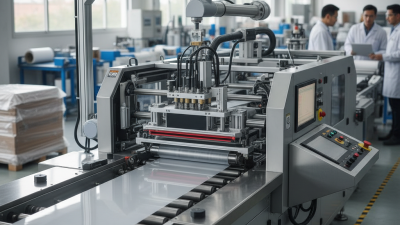
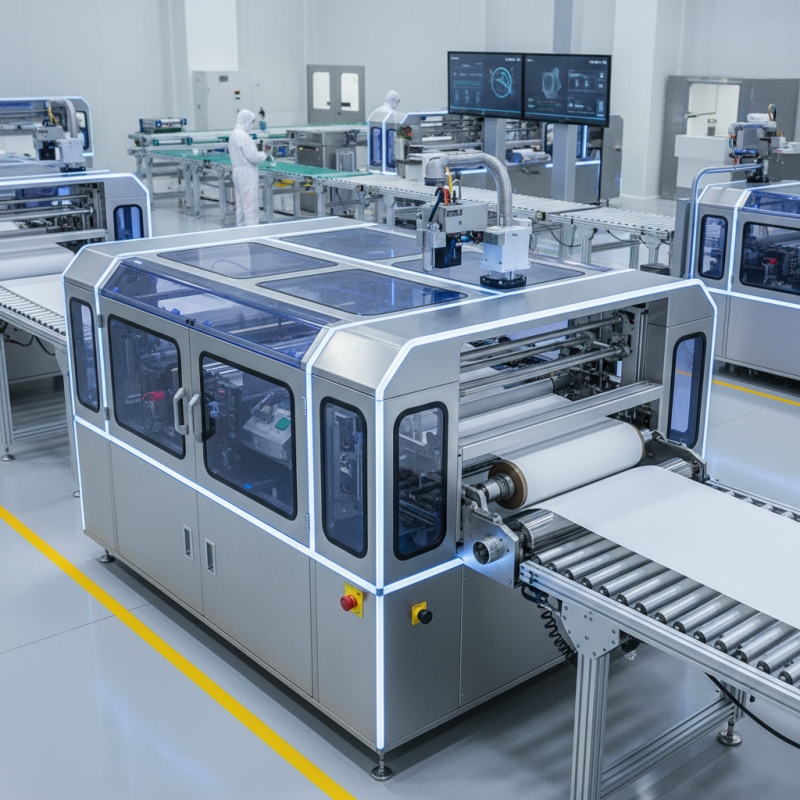
Double sided coating machines are revolutionizing production processes across various industries. Their ability to apply coatings on both sides of materials simultaneously increases efficiency. This not only speeds up production times but also minimizes labor costs. A well-designed machine ensures uniform coating, enhancing product quality. Operators can focus on other tasks, knowing the machine handles the intricate coating process effectively.
One significant advantage lies in material conservation. By using double sided coating machines, manufacturers can reduce the amount of materials wasted during the coating process. However, it's crucial to maintain these machines properly. Neglect may lead to uneven coatings, which can affect the final product. Regular maintenance checks are essential for optimal performance.
The versatility of double sided coating machines is impressive. They can handle various substrates, from paper to metal. Yet, different materials require different coating techniques. It’s vital for operators to understand these nuances. Proper training can help improve results. Mistakes can happen, but learning from them can lead to better practices. This adaptability is what makes double sided coating machines valuable in modern production settings.
Key Features to Look for in a Double Sided Coating Machine
When choosing a double sided coating machine, several key features are vital for ensuring efficiency and quality. A machine’s speed is crucial; research indicates that a production rate of over 20 meters per minute can significantly boost output. For high-demand industries, this speed can lead to reduced operational costs. Equally important is the control system. A user-friendly interface enables operators to make quick adjustments, which enhances precision and reduces waste.
The accuracy of coating thickness is another feature worth noting. Machines should offer precise control over the application to ensure the final product meets quality standards. It's reported that inconsistent coating can result in a 15% increase in defects, impacting the overall productivity of the manufacturing process. Consideration of the machine's maintenance requirements also plays a role in its reliability. Regular upkeep can prevent failure and extend the life of the equipment.
Finally, while advanced machines feature cutting-edge technology, balancing innovation with practicality is crucial. A machine that is too complex can lead to operator errors, which can negate the benefits of automation. Manufacturers may encounter initial difficulties in training staff, which could hinder the benefits of investing in new technology. Understanding these elements can guide businesses towards making informed decisions in their production processes.
Top Brands and Models in the Market for 2026
In 2026, the demand for double-sided coating machines is skyrocketing. Industries are searching for efficient solutions to streamline production processes. The right equipment can significantly enhance output while maintaining quality. According to a recent industry report, the double-sided coating market is expected to grow by 15% annually. This surge is driven by advancements in technology and manufacturing standards.
When considering the top models, reliability is crucial. Machines that feature user-friendly interfaces and consistent performance are favored. Recent studies highlight that efficiency can improve by 25% when using advanced automation features. However, not every model meets these expectations. Some may fall short in terms of durability or maintenance needs. This is an area worth exploring for manufacturers looking to invest wisely.
In addition to performance, the choice of materials used in coating can impact the overall production quality. Manufacturers are urged to assess their needs carefully. A mismatch between machine capabilities and production requirements can lead to costly errors. Reports indicate that many users overlook maintenance schedules, which leads to decreased efficiency over time. Continuous improvement is vital for long-term success in this competitive landscape.
Comparative Analysis of Efficiency and Cost-effectiveness
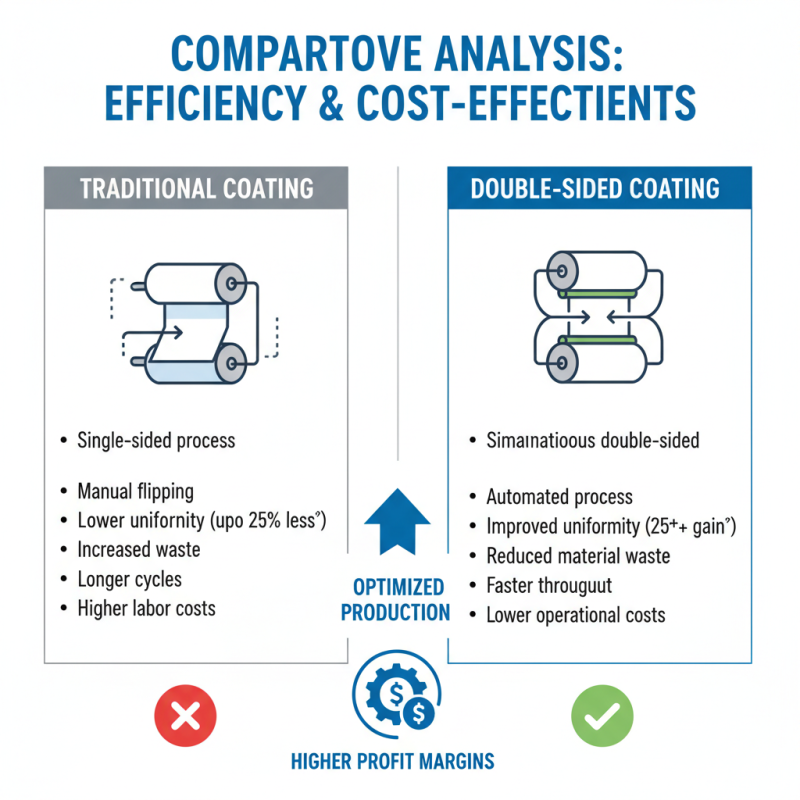
In the competitive landscape of manufacturing, double sided coating machines have become essential for optimizing production efficiency. A recent industry report indicates that the adoption of these machines can improve coating uniformity by over 25%. This improvement directly affects product quality and reduces waste. Efficiency remains a primary concern, as manufacturers seek machines that streamline the coating process while maintaining high output rates.
Cost-effectiveness also plays a crucial role in decision-making. Data suggests that companies investing in advanced double sided coating technologies experience a return on investment within two years. However, some manufacturers may hesitate due to initial capital outlay. An analysis from market research indicates that despite higher upfront costs, long-term savings through less material waste and lower labor costs often justify the investment.
Moreover, some machines may require specialized training for operators. This adds to expenses and complicates the implementation process. The potential for unanticipated downtime during transition phases can also disrupt operations. These challenges emphasize the need for thorough assessments of both efficiency metrics and cost implications before committing to any system. Addressing these factors early in the procurement phase can lead to better outcomes in production efficiency and overall profitability.
Maintenance and Best Practices for Optimal Performance
Ensuring optimal performance for double-sided coating machines requires consistent maintenance and adherence to best practices. Regular inspections of components, such as pumps and spray nozzles, can significantly impact production efficiency.
A report by the International Coating Association highlighted that routine maintenance can lead to a 15-20% increase in machine lifespan.
Cleaning procedures should not be overlooked. Residue buildup can affect coating quality and lead to costly downtimes. Industry findings indicate that neglecting regular cleaning may cause a decrease in production efficiency by up to 30%. Involving operators in maintenance routines fosters a sense of ownership and accountability, leading to better adherence to best practices.
Consumption of energy and materials should be monitored closely. Implementing a tracking system allows for identifying inefficiencies. Research shows that up to 25% of operational costs can be attributed to wastage. Stay updated on new technologies that could improve efficiency, but don’t forget to reflect on existing processes. Even minor adjustments can yield better performance, yet many companies resist change. Engaging in continuous improvement is essential for maintaining a competitive edge in production.