What Is the Best Small Coating Machine in China?
Choosing the best Small Coating Machine in China requires more than comparing prices and motor power. The right model must match your product, batch size, coating material, and production standards. A machine for confectionery products may differ greatly from one used for compliant pharmaceutical or industrial applications. I have found that practical testing often reveals more than a polished brochure. Watch the spray pattern, drum movement, drying response, and residue left after cleaning. Small details decide.
Reliable evaluation should include coating uniformity, temperature control, dosing accuracy, operating noise, and access to replacement parts. Ask suppliers for working videos, material specifications, factory records, and customer references. A responsible manufacturer should also explain installation, operator training, safety protection, and after-sales support. Certifications matter, but they should be verified against your market’s requirements. They should never replace a real trial.
There is no universal best machine. That conclusion may sound obvious, yet buyers often overlook it. A compact unit can save floor space, but limited capacity may increase labor during busy periods. A low-cost model may appear attractive, while inconsistent atomization creates waste later. My initial recommendation could change after testing your actual formulation and containers. This is why a sample coating test, written specification, and transparent warranty are essential. The best choice is the machine that performs consistently, can be cleaned properly, and remains supportable throughout its working life. Reliability is built through evidence, not promises.
Small Coating Machine Definition: 1–20 L Batches and 10–50 kg/h Output
What Is the Best Small Coating Machine in China?
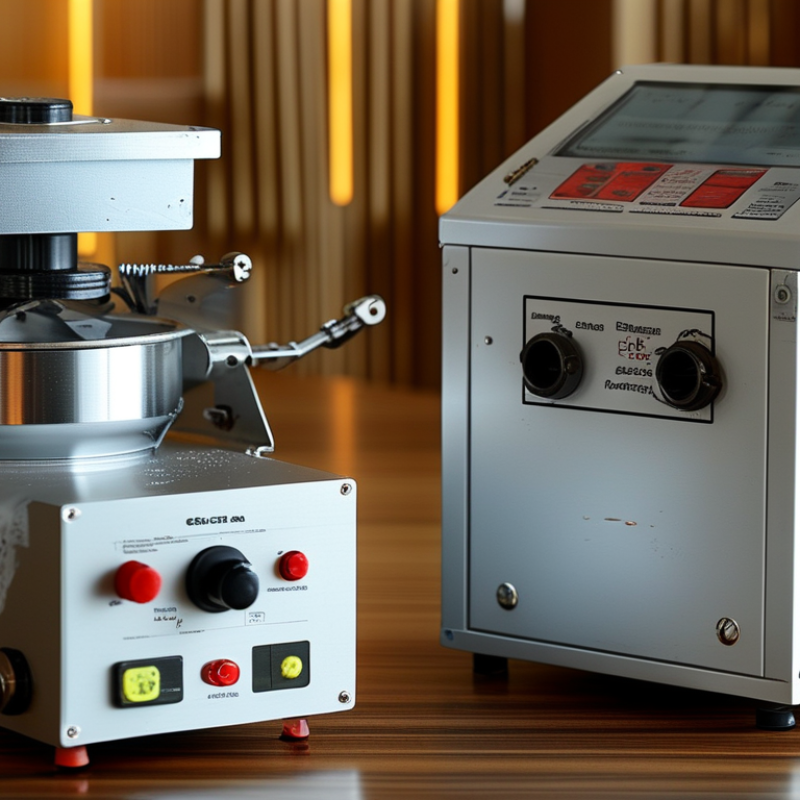
A small coating machine usually handles 1–20 L batches and produces about 10–50 kg/h. This range suits pilot production, laboratory trials, and small workshops. The best machine is not simply the cheapest option. It should provide steady material flow, even coverage, and simple cleaning. In practical testing, operators often notice differences in spray control and drum rotation. These details affect surface finish and material waste.
For 1–5 L batches, accurate feeding and gentle mixing are especially important. Larger 10–20 L batches need stronger airflow, stable temperature control, and reliable discharge. A machine with adjustable speed can handle different product sizes more effectively. Stainless steel contact parts improve hygiene and maintenance. Still, no machine performs perfectly with every coating formula. Viscosity, drying time, and particle shape can change the result. That limitation deserves honest testing.
Tips: Request a trial using the actual material and target batch size. Check whether the machine reaches 10–50 kg/h without uneven coating. Observe cleaning time, noise, powder loss, and operator access. Confirm voltage, air requirements, spare parts, and technical support before purchase. A compact design saves space, but a narrow access door may slow daily work. Practical inspection often reveals more than a catalog specification.
Core Technologies: Spray, Dip, Roll, and Vacuum Coating at 20–200 μm Thickness
What Is the Best Small Coating Machine in China?
For small production lines in China, the best coating machine depends on the material, part shape, and target thickness. A practical evaluation should begin with the required 20–200 μm coating range. Spray coating offers flexible coverage for irregular surfaces and small batches. It also allows quick color or material changes. However, spray results can vary when atomization pressure, nozzle distance, or air humidity changes.
Dip coating creates an even film on simple shapes with open surfaces. It suits repeated parts and materials that flow steadily. Withdrawal speed strongly affects the final thickness. Too fast, and the coating may sag. Too slow, and the layer may become uneven. Roll coating provides accurate control on flat sheets, films, and panels. It reduces overspray and can support continuous processing. Still, dust or small roller damage may leave visible lines.
Vacuum coating is useful when low contamination and precise surface performance matter. It can produce dense layers, but the equipment usually requires stronger process control and higher investment. A small machine should include stable temperature control, adjustable speed, thickness measurement, and accessible cleaning points. Operators should test real samples, not rely only on catalog figures. In practice, a 20 μm target may need several trials, especially with changing viscosity. There is no perfect choice. Even experienced teams sometimes select a machine that looks efficient, then discover maintenance limits during daily production.
Selection Metrics: ±2% Coating Uniformity, 0.1–5.0 m/min Speed, and 1–10 kW Power
What Is the Best Small Coating Machine in China?
Selection Metrics: ±2% Coating Uniformity, 0.1–5.0 m/min Speed, and 1–10 kW Power
Choosing a small coating machine in China starts with measurable performance, not appearance or advertised capacity. For laboratory films, flexible materials, and small production batches, coating uniformity should remain within ±2%. Operators should verify this result across the center, edges, and machine direction. A wet-film gauge and sample weighing method can reveal variations that visual inspection misses. I would request test data using the actual coating material, substrate, and target thickness.
Speed range matters when products change frequently. A practical machine should operate steadily from 0.1 to 5.0 m/min without sudden tension changes or visible streaks. Low-speed stability is especially important for viscous coatings. At higher speeds, drying distance and airflow may become limiting factors. A trial at three speeds is more reliable than one impressive demonstration. Small errors appear quickly.
Power should fit the process, usually between 1 and 10 kW. More power does not automatically produce better coatings. It may increase energy use, heat, or maintenance demands. Check motor control, heating response, exhaust capacity, and emergency protection. In one evaluation, the coating head met the ±2% target, but cleaning took too long. That weakness mattered. A compact frame, accessible rollers, clear calibration records, and responsive technical support often determine whether the machine performs well after installation.
China Supplier Comparison: Automation, CE Certification, Lead Time, and Total Cost
What Is the Best Small Coating Machine in China?
Choosing a small coating machine requires more than comparing purchase prices. In practical factory trials, automation often determines daily consistency. A machine with programmable speed, temperature, and spray volume reduces operator variation. Check whether controls support recipe storage, alarm records, and simple cleaning. These details matter when production changes several times each week.
CE certification should be verified, not merely mentioned in a quotation. Ask for the Declaration of Conformity, technical file information, and relevant test reports. Confirm that the delivered machine matches the certified model. Lead time also needs written definition. Request separate dates for component preparation, assembly, factory testing, and shipment. A supplier promising ten days may exclude testing or export preparation. That is where planning becomes unreliable.
Tips: Compare total cost, not only the machine price. Include tooling, installation, training, spare parts, freight, energy use, and possible customs charges. Ask for a sample coating test using your actual material. Measure thickness uniformity, surface appearance, and cleaning time. A lower-priced machine can become expensive after repeated adjustments. I have seen buyers overlook maintenance access, especially around pumps and spray nozzles. That mistake is easy to make. Ask for videos of routine servicing and a detailed spare-parts list. Also check warranty response times, because remote support may not solve every fault. Supplier references from similar production environments provide stronger evidence than polished brochures.
What Is the Best Small Coating Machine in China? - China Supplier Comparison: Automation, CE Certification, Lead Time, and Total Cost
Comparison of typical small-batch coating-machine configurations available from Chinese manufacturers. Figures are indicative budget ranges for new equipment and should be confirmed against the final technical specification, coating material, workpiece size, destination country, and shipping terms.
| Configuration |
Typical Application |
Working Capacity |
Automation Level |
CE Documentation |
Typical Lead Time |
Indicative Equipment Price |
Estimated Landed Cost* |
Best Fit |
| Manual spray booth with compact curing oven |
Low-volume metal parts, prototypes, maintenance work |
20–60 parts/day |
Manual |
Usually available on request; verify risk assessment and technical file |
25–45 days |
US$4,000–10,000 |
US$6,000–15,000 |
Lowest entry cost and maximum operator flexibility |
| Semi-automatic reciprocating spray system |
Repeatable coating of small and medium-sized batches |
80–180 parts/day |
Semi-automatic |
Commonly offered; request Declaration of Conformity, drawings, and electrical documentation |
35–60 days |
US$12,000–28,000 |
US$17,000–38,000 |
Best balance between consistency, price, and changeover time |
| Compact automatic spray line |
Regular production with standardized workpieces |
150–350 parts/day |
Automatic loading and spraying |
Typically available; confirm conformity of guarding, controls, ventilation, and heating systems |
45–75 days |
US$28,000–65,000 |
US$38,000–85,000 |
Higher throughput with reduced manual spraying |
| Small powder-coating booth and curing oven |
Metal components requiring durable powder finishes |
100–250 parts/day |
Manual or semi-automatic |
Documentation normally available; validate explosion, ventilation, and electrical requirements locally |
35–65 days |
US$15,000–40,000 |
US$22,000–55,000 |
Efficient for compatible metal parts and powder materials |
| Benchtop liquid-coating machine |
Small components, laboratory work, sample production |
10–80 parts/day |
Manual loading with controlled coating |
May be available; request complete compliance documentation before purchase |
20–40 days |
US$3,000–12,000 |
US$5,000–18,000 |
Smallest footprint and simplest installation |
Cost and compliance notes: *Estimated landed cost includes typical export packing, ocean freight, basic insurance, and destination handling, but excludes import duty, VAT, local installation, building modifications, utilities, and commissioning. Lead times generally begin after specification approval and deposit payment. A CE mark is generally based on the manufacturer’s declaration of conformity; buyers should request the technical file, risk assessment, user manual, wiring diagrams, and applicable test records rather than relying on the mark alone.
Best-Choice Framework: Matching Substrate, Material Viscosity, Batch Size, and Budget
Choosing the best small coating machine in China starts with the substrate, not the price. Paper, film, foil, glass, and metal each need different tension control, drying, and surface treatment. Smithers’ 2023 market report projects global flexible packaging demand to exceed 33 million tonnes by 2028. That growth increases pressure for stable coating thickness and lower material waste. Small is not simple.
Material viscosity changes the machine choice. Low-viscosity solutions may suit gravure or smooth-roll coating, while thicker adhesives often need slot-die or metering systems. In practical trials, record viscosity at the actual operating temperature. A liquid measured at 25°C may flow very differently at 40°C. This detail is often missed. Grand View Research estimates the global industrial coatings market reached about 100 billion US dollars in 2023, showing why repeatable application matters across industries.
Batch size should guide working width, tank capacity, and cleaning time. For laboratory work or short runs, a compact unit with quick-change coating heads can reduce setup losses. For daily production, calculate output per hour, not only the purchase cost. A machine priced 20% lower may consume more coating during startup. PMMI industry analysis repeatedly identifies labor efficiency and downtime reduction as major packaging investment factors. My own evaluation would include three tests: substrate adhesion, wet-film thickness, and ten-minute repeatability. Budget still matters, but an inexpensive machine without viscosity control can become expensive after several failed batches.