Leave Your Message
Please agree to this agreement

Top Teeth Whitening Patch Coating Machine Suppliers

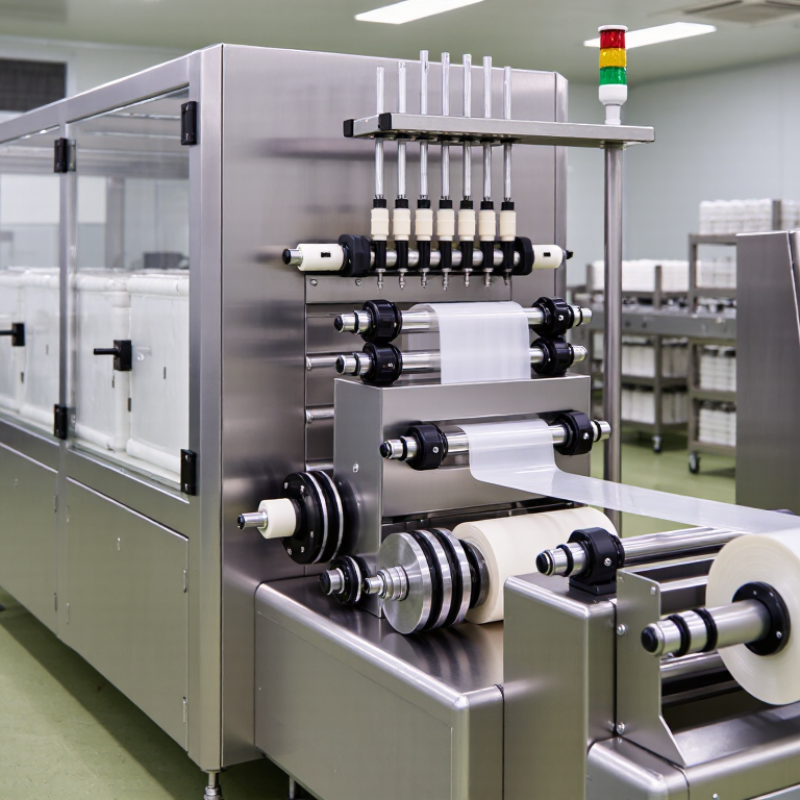
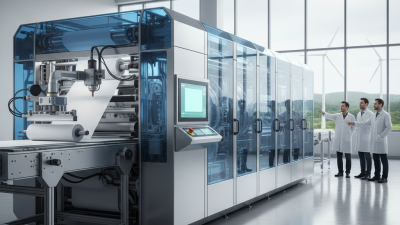
Choosing among the Top Teeth Whitening Patch Coating Machine Suppliers requires more than comparing prices or brochure photographs. The right partner must understand dental patch materials, controlled coating, drying behavior, and hygienic production. A reliable Teeth Whitening Patch Coating Machine should apply an even layer across the moving substrate. It should also manage coating weight, web tension, temperature, and line speed with repeatable precision.

Quality expert W. Edwards Deming stated, “Quality comes not from inspection, but from the improvement of the production process.” His principle remains highly relevant to whitening patch manufacturing. Strong suppliers support process validation, documented operating procedures, material traceability, and practical operator training. They should explain how their machine handles hydrogel, adhesive, or peroxide-based formulations without making unsupported performance claims. Ask for coating-tolerance data. Request factory acceptance records. Inspect cleaning access closely.

Small details matter.

Look for accurate metering pumps, stable drying tunnels, responsive sensors, and an intuitive control interface. Supplier experience also appears in commissioning support, spare-parts availability, and response times after installation. Regulatory expectations differ between markets, so manufacturers should help customers prepare appropriate technical documentation without promising automatic approval. Independent verification remains essential.

A polished demonstration does not prove long-term reliability. Some machines perform well during short trials but struggle with continuous production, especially when viscosity changes. That weakness deserves honest attention. Buyers should test representative materials under realistic speeds and temperatures. They should also compare waste levels, energy use, maintenance time, and batch consistency. The best supplier is not always the largest. It is the one that combines engineering discipline, transparent communication, and measurable evidence.

Top Teeth Whitening Patch Coating Machine Suppliers

Teeth Whitening Patch Coating Machines: Process Scope and Key Terms

Top Teeth Whitening Patch Coating Machine Suppliers

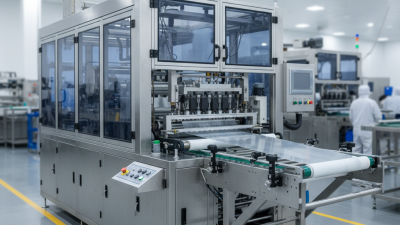
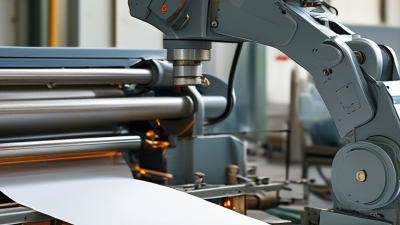
Teeth whitening patch coating machines cover more than liquid application. A typical line unwinds the backing film, coats the formulation, dries it, laminates the release liner, and rewinds the web. Some systems also include slitting, die-cutting, camera inspection, and batch coding. The actual process scope depends on patch size, coating width, production speed, and formulation sensitivity.

Key terms deserve careful attention. Coating weight is usually measured in grams per square meter, while wet thickness and dry thickness describe different process stages. Viscosity affects pump selection, coating stability, and edge control. Web tension keeps the film flat during unwinding and rewinding. Line speed, drying temperature, residence time, and residual moisture must be evaluated together, not separately.

A reliable supplier should provide material trials, coating uniformity data, cleaning procedures, and documented acceptance criteria. Ask about slot-die, knife, or gravure coating options before comparing machine prices. Each method behaves differently with viscous or moisture-sensitive formulas. Inspection systems can detect streaks, wrinkles, missing coating, and poor registration. Useful details include coating tolerance, usable width, changeover time, energy consumption, and operator training. Factory trials reveal more than brochures. I would still question optimistic yield figures, because real production often includes setup waste, film variation, and occasional coating defects.

Top Teeth Whitening Patch Coating Machine Suppliers - Teeth Whitening Patch Coating Machines: Process Scope and Key Terms
Data Dimension Process Scope or Technical Term Typical Industry Information Supplier Evaluation Point
Product Format Teeth whitening patch or strip A flexible oral-care product generally consists of a polymer film or nonwoven carrier coated with a whitening formulation and protected by a release liner. Confirm compatibility with the required carrier, liner, patch dimensions, and finished-packaging format.
Coating Method Slot-die, knife-over-roll, comma-roll, or gravure coating Slot-die and knife-over-roll systems are commonly selected when controlled wet-film thickness and uniform coverage are required. Gravure coating is suited to controlled, high-speed transfer of low-viscosity liquids. Request coating trials using the actual formulation and substrate rather than relying only on catalog specifications.
Coating Width Effective web coating width The usable width is selected according to the number of lanes, patch width, edge trim, and the converting layout. A wider web can improve output but requires better cross-web control. Check the usable coating width, edge-trim allowance, lane arrangement, and future expansion capacity.
Coating Thickness Wet-film and dry-film thickness control The target value depends on formulation solids, viscosity, active-ingredient concentration, and product dosage. Thickness should be specified as a validated process range rather than a single nominal value. Evaluate gravimetric or in-line measurement capability, repeatability, calibration procedures, and recipe control.
Formulation Compatibility Water-based, hydrogel, gel, or solvent-containing coating Many oral-care coating formulations are water-based or gel-like. Materials in contact with the formulation should resist swelling, corrosion, extractables, and chemical degradation. Verify wetted-part materials, seal compatibility, cleaning requirements, and documentation for product-contact components.
Viscosity Control Formulation viscosity and temperature management Viscosity affects pump selection, coating stability, leveling, edge quality, and deposited mass. Temperature control may be needed when viscosity changes significantly with temperature. Confirm the operating viscosity range, pump type, agitation method, temperature-control accuracy, and shear sensitivity.
Web Handling Unwinding, tension control, guiding, and rewinding Stable web tension and accurate alignment help prevent wrinkles, telescoping rolls, coating gaps, and registration errors. Load cells, dancer systems, and edge guides are commonly used. Review tension range, control response, web-guide accuracy, roll diameter limits, and substrate-change procedures.
Drying or Curing Hot-air drying, dehumidification, or controlled ambient drying Drying must remove the required amount of moisture or solvent without damaging heat-sensitive carriers or active ingredients. Air temperature, residence time, airflow, and exhaust conditions are key variables. Check dryer-zone length, temperature range, airflow uniformity, exhaust design, solvent safety requirements, and product exit moisture.
Active-Ingredient Protection Low-temperature processing and residence-time control Heat-sensitive ingredients may require low-temperature drying, short residence time, reduced light exposure, or controlled humidity to maintain stability. Ask for process-development data showing active-ingredient recovery after coating and drying.
Dosage Uniformity Coat-weight and active-content uniformity Finished-product uniformity is influenced by pump accuracy, formulation homogeneity, web speed, coating gap, drying conditions, and sampling method. Require a documented sampling plan, acceptance criteria, test method, and capability data from a representative trial.
Production Speed Line speed and throughput Maximum line speed is formulation- and substrate-dependent. A practical operating speed is normally lower than the mechanical maximum because drying, coating stability, and quality inspection impose limits. Compare guaranteed production speed with demonstrated speed using the customer’s formulation and target coat weight.
Converting Integration Laminating, slitting, die-cutting, and sheet or roll conversion A coating line may feed an integrated converting section or a separate downstream process. Registration accuracy is important when patches are die-cut or individually packaged. Determine whether coating, drying, lamination, die-cutting, and rewinding are supplied as one line or separate modules.
Release Liner Handling Silicone-coated liner application and separation The release liner protects the coated surface and supports storage and dispensing. Release force, liner stiffness, and dimensional stability influence peel performance. Verify liner specifications, peel-force testing, liner alignment, and compatibility with the coating formulation.
Cleanability Product-contact cleaning and changeover Water-based and gel formulations may dry or build up on coating heads, pumps, hoses, and trays. Hygienic design reduces residue retention and changeover time. Review drainability, tool-free access, cleaning-in-place options, validated cleaning procedures, and changeover duration.
Control System PLC, HMI, recipe management, and alarm history A modern line typically records web speed, tension, pump rate, temperature, airflow, and alarm status. Recipe control helps improve repeatability between batches. Check data export, user access levels, electronic records, remote-support arrangements, and spare-parts availability.
Inspection Visual, camera-based, weight, and dimensional inspection Inspection may detect coating skips, streaks, wrinkles, contamination, edge defects, registration errors, and incorrect patch dimensions. Define the inspection resolution, defect library, rejection method, lighting conditions, and retention of inspection records.
Safety Machine guarding, emergency stops, and chemical or thermal protection The system should include guarding around moving parts, emergency-stop devices, safe access procedures, electrical protection, and suitable ventilation for the formulation and drying method. Request a formal risk assessment, safety circuit description, guarding layout, and applicable conformity documentation.
Regulatory Support Good Manufacturing Practice and product-contact documentation Equipment used for oral-care products should support hygienic production and traceability. Requirements vary by market and by whether the product is regulated as a cosmetic, consumer product, or therapeutic product. Confirm material declarations, certificates, manuals, validation support, and documentation needed for the target market.
Factory Acceptance Test FAT and process-performance demonstration A factory acceptance test normally verifies mechanical operation, controls, safety functions, utilities, and agreed production parameters before shipment. Use an approved FAT protocol with measurable acceptance criteria, sample requirements, and responsibilities for corrective actions.
Site Acceptance Test SAT, installation qualification, and operational qualification After installation, site testing confirms correct assembly, utility connections, operating ranges, alarms, interlocks, and performance under site conditions. Ensure the supplier provides commissioning support, training, qualification templates, and performance-test records.
Utilities Electrical power, compressed air, chilled water, exhaust, and environmental control Utility requirements depend on dryer capacity, pump configuration, automation, and facility conditions. Stable temperature and humidity can improve coating consistency. Compare connected load, compressed-air quality, exhaust volume, cooling capacity, floor space, and installation requirements.
Supplier Selection Application engineering and after-sales support Technical support is particularly important when the formulation, substrate, coating method, and drying profile must be developed together. Assess trial capability, response time, commissioning resources, training, warranty terms, local service, and long-term spare-parts support.
Technical note: Actual operating limits, coating weight, line speed, drying conditions, and output depend on the formulation, carrier film, release liner, patch geometry, regulatory requirements, and validated process settings. Supplier comparisons should therefore be based on documented trials using the intended materials.

Core Specifications: 20–60 m/min Web Speed and ±2% Coating Uniformity

Teeth whitening patch coating machines must balance speed with dosage control. A 2024 Grand View Research analysis estimates the global teeth whitening market will expand steadily through 2030, increasing pressure on manufacturers to improve repeatability. For patch production, a practical web speed range is 20–60 m/min. This range supports controlled output without making drying, tension, and inspection problems invisible.

Coating uniformity should remain within ±2% across the working web. That target matters because uneven peroxide or active-ingredient distribution can create inconsistent whitening performance. A 2024 Smithers flexible packaging report highlights automation, inline inspection, and process monitoring as major manufacturing priorities. Suppliers should therefore offer closed-loop flow control, gravimetric or metering pumps, and camera-based surface inspection.

Stable web tension is essential. Small wrinkles can become large coating defects.

In factory trials, operators should test several speeds, not only the advertised maximum. At 60 m/min, drying residence time may fall sharply, especially on narrow patches or high-solids formulas. That detail is easy to miss. A machine reaching ±2% uniformity at 30 m/min may not hold it at 60 m/min. Buyers should request coating maps, material-loss records, and repeatability results from multiple production runs. No test is perfect. Temperature, viscosity, and substrate absorption can still shift performance. Supplier data needs independent verification before scaling.

Active-Ingredient Control: EU Rules Limit Hydrogen Peroxide to 6%

Top Teeth Whitening Patch Coating Machine Suppliers

Active-ingredient control is central when selecting a teeth whitening patch coating machine. In the European Union, hydrogen peroxide in cosmetic oral-care products is limited to 6%. Products above 0.1% may also require professional oversight. Requirements can vary by formulation, market, and intended use. Suppliers should never treat one setting as universally compliant.

A reliable machine should meter coating liquid precisely and maintain stable web speed, temperature, and drying conditions. Small dosage changes can affect whitening performance, user safety, and batch consistency. Ask for calibration records, cleaning procedures, and batch-traceability features. Operators should verify the final hydrogen peroxide level through validated laboratory testing, not only through machine displays. That detail is easy to overlook.

Tips: Request a documented dosing range before purchasing. Check whether the equipment supports alarms for flow variation. Confirm that product-contact parts resist the formulation. Review technical files with qualified regulatory professionals. A coating line may run smoothly yet produce inconsistent patches if viscosity changes during drying. We have seen this risk underestimated. Regular sampling is still necessary, even when automated controls appear dependable. Suppliers should also explain how their machines handle lower-peroxide or peroxide-free formulas, because one solution may not suit every market.

Supplier Qualification: ISO 13485, GMP, FAT, SAT, IQ, OQ, and PQ

Top Teeth Whitening Patch Coating Machine Suppliers

Supplier qualification should begin with ISO 13485 certification, not a polished sales presentation. The WHO Global Model Regulatory Framework for Medical Devices reports more than two million medical device types worldwide. This scale makes documented controls essential. ISO 13485 should cover design transfer, supplier control, traceability, calibration, and corrective actions. GMP evidence should also show controlled clean areas, approved materials, and trained operators.

FAT confirms whether the coating machine meets agreed specifications before shipment. Review coating weight, web tension, line speed, temperature control, and alarm functions. Record actual results, not only pass statements.

SAT checks installation, utilities, safety systems, and site performance. IQ verifies correct components and documentation. OQ challenges operating ranges, such as coating speed and drying temperature. PQ uses routine materials and trained operators to prove repeatable production.

Look closely at patch adhesion and coating uniformity. Small edge defects may become large packaging failures. A supplier should provide data from multiple batches, equipment calibration records, and deviation reports. The FDA’s process validation guidance supports a lifecycle approach, linking equipment qualification with ongoing process control. Still, certificates do not guarantee practical competence. A perfect dossier can hide weak floor discipline. I would ask to inspect raw FAT records and repeat a critical test during acceptance. That extra observation often reveals what a presentation misses.

Supplier Comparison: Coating Accuracy, Drying Capacity, Yield, and Service Support

Choosing a teeth whitening patch coating machine supplier requires more than a polished brochure. In production trials, coating accuracy is often the first practical test. A stable machine should keep the active coating within the planned weight range across the web. Operators can verify this by weighing samples from the left, center, and right edges. Small deviations matter when patches must feel consistent on the teeth. Ask suppliers for recorded tolerance data, calibration procedures, and sample test reports. Numbers without test conditions deserve caution.

Drying capacity directly affects line speed and patch quality. A tunnel that removes moisture too slowly may leave tacky surfaces, while excessive heat can damage sensitive ingredients. Compare usable drying length, airflow control, temperature zones, and exhaust monitoring. Request a trial using your actual substrate and coating formula. Yield should include rejected rolls, edge trim, start-up waste, and downtime, not only machine output. A supplier reporting 98% yield may be measuring an ideal shift. Real factories are less tidy.

Service support is often tested after installation, not during sales meetings. Check response hours, spare-parts availability, remote diagnostics, and technician training. Clear maintenance instructions can prevent a minor pump blockage from stopping a full shift. Ask whether software updates preserve existing recipes and production records. A supplier may promise fast support, yet vague service terms create risk. I would also inspect the machine personally, because photographs hide awkward cleaning points. One overlooked detail can become a daily labor cost. Good comparisons leave room for doubt.

Top Teeth Whitening Patch Coating Machine Suppliers - Supplier Comparison: Coating Accuracy, Drying Capacity, Yield, and Service Support

The chart compares anonymized supplier profiles using a 0–100 performance index derived from common equipment benchmarks. The underlying measures are coating-weight accuracy, drying capacity in patches per minute, first-pass production yield, and technical service response time. Higher scores indicate better overall performance.