Choosing a Double-Sided Coating Machine is a practical decision, not just a search for impressive production speeds. Buyers need to consider substrate width, coating material, target coating weight, web tension, and drying capacity. These details affect whether a line can handle a specific product consistently. Small differences matter. A sample roll on a factory floor can reveal more than a polished brochure.
This guide introduces ten manufacturers and the capabilities buyers may want to examine. It considers equipment range, process flexibility, customization, technical support, and the information companies provide about their machines. These factors offer a useful starting point, but they do not prove that one supplier is right for every plant. A machine designed for battery materials, for example, may not suit a paper or film application without changes to its configuration. Ask for relevant test results, operating references, and clear explanations of maintenance needs. Where possible, review coating uniformity and drying performance using your own material.
There are limits to any list. Manufacturer information can change, and published specifications may not show how a line performs under your production conditions. That deserves a closer look. Treat the entries as candidates for further evaluation, rather than as a final ranking. Careful questions—and a realistic trial—can help narrow the field.
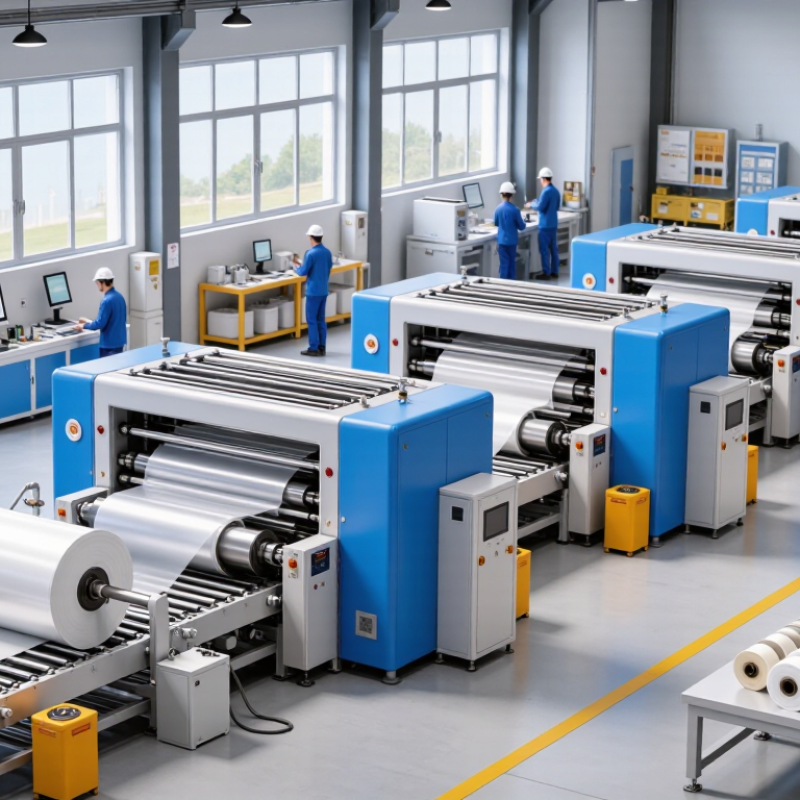
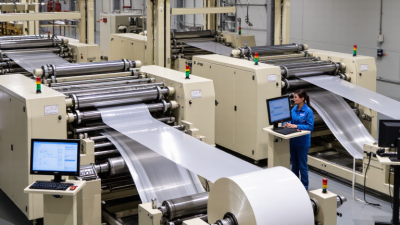
A double-sided coating machine applies a functional layer to both sides of a moving material, such as film, paper, foil, or fabric. Depending on its design, it may coat both surfaces in one pass or treat them in separate stages. The machine typically uses unwinding and rewinding stations, web-tension controls, coating heads, and drying or curing sections. The exact setup depends on the coating liquid, substrate, and required finish.
In operation, the material travels through the line while rollers or other coating systems spread a measured layer across each face. Sensors can help monitor tension, alignment, and coating thickness, but they cannot correct every problem. Dust, uneven substrate surfaces, or changing liquid viscosity may still cause streaks or weak spots. Small details matter. An operator might check a sample under angled light to spot pinholes or compare coating weight across the web. Results also depend on drying temperature and line speed, so settings usually need careful adjustment. A two-sided process can improve production efficiency, though it may be harder to control when both surfaces require different coating weights or finishes.
A double-sided coating machine applies a controlled layer to each face of a moving web, such as film, foil, or paper. The web unwinds under steady tension and passes through coating stations. Each station meters material using a method suited to its viscosity and target thickness, such as slot-die or roll coating. The first layer must be managed carefully before the opposite face is coated.
Some lines coat both sides in one pass with opposed coating heads. This can improve throughput, but the wet layers need support and drying that prevent contact marks or transfer. Other machines coat one side, dry it, then guide the web to a second station. The route depends on the substrate, coating chemistry, and required finish. There is no single layout that suits every job.
Operators monitor web tension, coating gaps, flow rates, and dryer temperature. Small shifts show. A wrinkle near a roller can create uneven coverage, while excessive heat may distort sensitive film. Inspection after drying helps reveal pinholes, streaks, or differences between the two faces. Even with careful controls, setup can require adjustment; a stable reading at the machine does not always guarantee a uniform result across the full roll.
Technology-focused comparison of common double-sided coating machine configurations. The entries describe equipment and coating methods, not ranked manufacturers or company-specific products.
| No. | Machine Configuration | How Both Surfaces Are Coated | Typical Substrates | Common Coating Materials | Key Process Consideration |
|---|---|---|---|---|---|
| 1 | Two-station slot-die line | Separate precision die heads coat each side, commonly in sequence with web guidance and drying between or after coating. | Polymer films, metal foils, paper, electrode foil | Battery slurries, adhesives, functional liquids | Flow rate, die gap, web speed, and tension affect coating uniformity. |
| 2 | Opposed slot-die system | Two dies face opposite sides of the web so both surfaces can be coated in one coating zone when the substrate and process permit. | Flexible films and thin metal foils | Metered liquid coatings and electrode slurries | Maintaining stable web position and balanced coating on both sides is essential. |
| 3 | Two-sided gravure line | Engraved rolls transfer metered liquid to each face, usually using two coating stations along the web path. | Packaging films, paper, decorative laminates | Inks, primers, lacquers, thin adhesive layers | Cell pattern, viscosity, roll speed, and doctor-blade settings influence transfer. |
| 4 | Reverse-roll coating line | A coating station applies liquid to one face; a second, appropriately arranged station coats the other face. | Plastic film, metal foil, paper | Pressure-sensitive adhesive, primer, barrier coatings | Roll alignment and speed ratios help control coat weight and surface finish. |
| 5 | Knife-over-roll line | A metering blade controls the coating on one side at each station; a second station coats the reverse side. | Textiles, paper, nonwovens, films | Water-based coatings, pastes, textile finishes | Blade gap, substrate support, and coating rheology affect thickness and appearance. |
| 6 | Dip-and-squeeze line | The web passes through a liquid bath; squeeze or metering rolls control pickup on both faces. | Textiles, nonwovens, porous paper | Impregnants, textile treatments, aqueous finishes | Bath condition and nip pressure influence liquid pickup and penetration. |
| 7 | Two-sided spray-coating line | Spray heads are positioned above and below the web, or at separate stations, to reach both surfaces. | Textiles, nonwovens, formed or porous webs | Fine functional dispersions, finishes, specialty coatings | Droplet size, nozzle pattern, airflow, and overspray control affect coverage. |
| 8 | Two-sided curtain-coating line | Separate curtain applicators or coating stations deposit liquid on each face; the web path is designed to protect the wet layer. | Rigid panels, boards, and suitable continuous webs | Paints, primers, clear coats | A stable liquid curtain and controlled substrate speed are needed for even coverage. |
| 9 | Two-sided hot-melt coating line | Hot-melt applicators coat each side, either at separate stations or with an opposed-head arrangement. | Films, foams, textiles, laminating webs | Thermoplastic hot-melt adhesives | Adhesive temperature, open time, and web handling must suit the material. |
| 10 | Coating-and-lamination line | One face is coated and laminated to a second web; a separate coating or lamination stage treats the opposite face as required. | Flexible packaging films, foil, paper laminates | Adhesives, primers, functional tie layers | Bond strength, layer compatibility, and curing or drying conditions need to be matched. |
Note: Double-sided coating may be performed simultaneously or in separate passes. The suitable configuration depends on substrate properties, coating chemistry, required coat weight, and drying or curing needs.
Choosing a double-sided coating machine manufacturer starts with process fit, not brochure speed. Ask how the system controls tension, web alignment, and coating weight on both faces. Request trial data using your actual substrate, slurry, and target line speed. A neat sample is useful. Repeatability matters more.
Inspect the drying and curing design closely. Uneven airflow can leave one side tacky while the other appears finished. Ask for temperature maps, exhaust measurements, and coating-thickness results across the web, not only at its center. Check changeover time, cleaning access, and whether operators can reach pumps and rollers safely. These details shape daily output. They are easy to overlook.
A credible supplier should explain tolerances, test methods, and limitations without turning every answer into a promise. Review service response times, spare-part availability, training, and commissioning support. Speak with customers running similar materials, if possible, and ask what needed adjustment after installation. One caution: a successful factory trial may not reproduce your humidity, operator habits, or upstream variability. That uncertainty deserves a written acceptance plan, with agreed metrics and a clear remedy if results fall short. Selection is not tidy. Better evidence beats confidence.
A precision-focused manufacturer builds compact double-sided coaters for pilot lines, with adjustable web tension and accessible rollers. Its strength is process control, though small machines may not represent full-scale production. A second specializes in wide-web systems. Operators can inspect edge alignment through guarded viewing panels, but floor-space needs deserve early attention. A third offers modular drying zones, letting plants tune airflow for different coating weights. That flexibility helps, yet setup can take time.
A fourth manufacturer emphasizes quick changeovers, using removable pans and tool-light cleaning access. A fifth designs equipment around delicate films, with gentle unwinding and careful tension control. A sixth supplies integrated inspection cameras; visible streaks are easier to catch, though camera settings still need skilled review. A seventh focuses on energy-conscious ovens, with insulated panels and measured exhaust flow. Real savings depend on the line and operating schedule. An eighth supports custom widths and coating heads, but bespoke builds can extend delivery timelines. A ninth is known for durable, serviceable components, including reachable pumps and clearly labeled controls. Details matter. A tenth combines coating, drying, and winding in one line. Buyers should request trial data, coating-uniformity measurements, and references for similar materials. Sales claims alone are not enough. Even strong suppliers may leave maintenance intervals vague, so ask for them in writing.
Top 10 Double Sided Coating Machine Manufacturers
How Manufacturer Capabilities Differ Across Industries and Applications
Double-sided coating machines can look similar in catalogs, yet their differences show up at the web, dryer, and inspection station. Packaging converters may prioritize fast changeovers and stable tension across thin films. A roll that wanders by a few millimeters can create uneven edges or waste. Small details matter. Manufacturers serving this market often focus on practical adjustments, not just maximum line speed.
Electronics and battery-material applications demand tighter control of coating weight and alignment on both faces. Equipment may need precise metering, clean handling, and sensors that catch streaks before a full roll is affected. Drying capacity also matters: a coating that cures unevenly can wrinkle or lose adhesion. These requirements are not interchangeable with those for paper or decorative laminates. Still, some buyers give too much weight to headline speed and too little to repeatability.
For solar, insulation, and specialty films, substrate width, heat sensitivity, and coating viscosity shape the machine design. A capable manufacturer should explain how its system handles actual materials, operating speeds, and changeovers—not only ideal test conditions. Ask for trial data and inspect samples from both coated sides. Even then, one trial may not reveal every production issue. A modest line adjustment can sometimes matter more than a feature-rich specification.
How process priorities differ by industry
Ratings show relative process priorities on a 1–5 scale, not measured manufacturer performance or market-share data. Battery electrodes typically emphasize coating precision and thermal control; optical films prioritize precision and clean processing; packaging, paper, and technical textiles place comparatively greater emphasis on throughput and substrate flexibility.