Top 5 Aluminum Foil Coating Machines You Should Buy?
In the fast-evolving packaging industry, Aluminum Foil Coating Machines have become indispensable. A recent report by Technavio estimates a growth rate of 3% in the global aluminum foil market by 2025. This underscores the increasing demand for high-efficiency coating machines. Industry expert Dr. Emily Carter emphasizes, "Investing in quality machines can dramatically enhance production efficiency and product quality."
With a focus on innovation, manufacturers strive to improve coating technologies. This is crucial as customers demand enhanced features and durability. High-end Aluminum Foil Coating Machines offer precision and speed, allowing businesses to stay competitive. However, it’s essential to choose wisely, as not all machines deliver superior performance consistently.
The market is flooded with options, causing confusion. Some machines might promise high-speed operations but fail in quality checks. So, examining each product critically is vital. Each machine has its strengths and weaknesses. Careful analysis can prevent costly mistakes and ensure optimal production outcomes.
Understanding Aluminum Foil Coating Machines and Their Importance
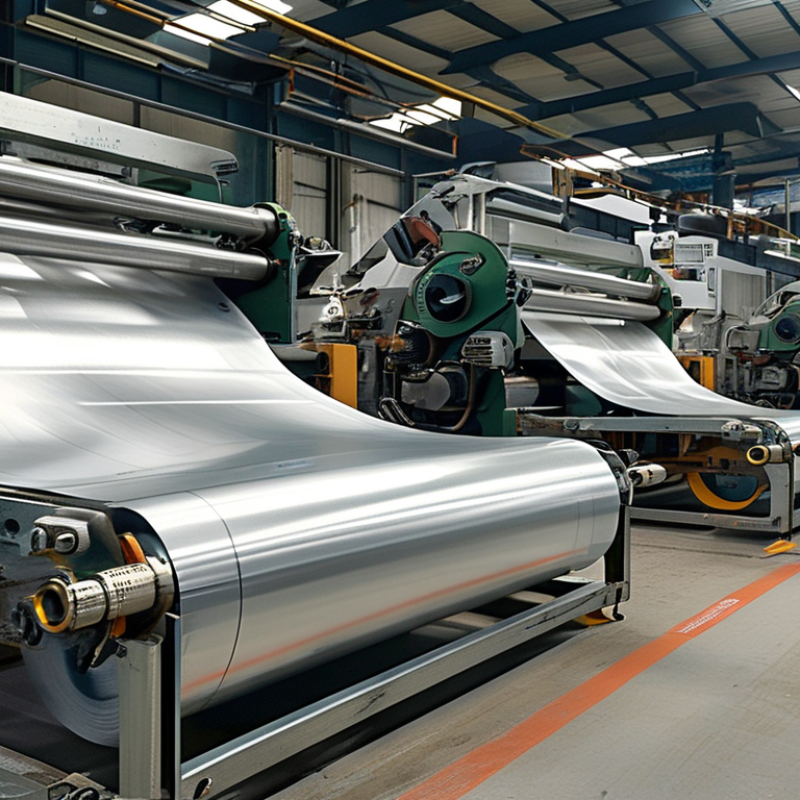
Aluminum foil coating machines play a critical role in various manufacturing sectors. They allow businesses to coat aluminum foil with protective materials, enhancing durability and usability. These machines can apply coatings for food safety, insulation, or decorative purposes. High-quality coatings ensure that products meet stringent industry standards. In turn, this boosts consumer trust and satisfaction.
Investing in the right coating machine can be daunting. Many factors require consideration: machine speed, efficiency, and ease of maintenance. A poorly selected machine can lead to production delays and increased costs. Furthermore, operators need proper training to maximize machine performance. Understanding the specifications and features of different machines is essential. Some may focus on versatility, while others prioritize high output.
To truly benefit from aluminum foil coating machines, companies must stay informed about industry trends. Attending trade shows or workshops can provide valuable insights. However, organizations must also reflect on their needs and capabilities. Not all machines are one-size-fits-all. A thoughtful approach to selection can yield better results and support long-term growth.
Top 5 Aluminum Foil Coating Machines You Should Buy
| Machine Model |
Coating Speed (m/min) |
Coating Thickness (µm) |
Power Consumption (kW) |
Weight (kg) |
| Model A |
100 |
5 |
15 |
500 |
| Model B |
120 |
6 |
18 |
600 |
| Model C |
140 |
4 |
20 |
550 |
| Model D |
160 |
7 |
22 |
700 |
| Model E |
180 |
5 |
25 |
650 |
Key Features to Look for in an Aluminum Foil Coating Machine
When selecting an aluminum foil coating machine, understanding key features is crucial. One must consider the coating thickness control. Consistent thickness ensures quality and uniformity in products. This feature affects not just the aesthetic appeal but also the functionality of the coated foil. Precision is important; any variability can lead to defects in the final product.
Another essential aspect is the machine's speed and efficiency. An optimal machine should balance speed while maintaining quality. Faster production can increase output, but high-speed operations might compromise the coating process. It’s necessary to find a machine that fits your production needs without sacrificing quality.
User-friendly controls are vital as well. A machine with an intuitive interface simplifies operation and reduces training time for staff. If operation is complex, it could lead to errors during production. Additionally, regular maintenance should be easy to perform. Machines that are hard to maintain can lead to increased downtime. Always consider the long-term usability and support offered. This reflection can save future headaches.
Top 5 Recommended Aluminum Foil Coating Machines in 2023
In 2023, the aluminum foil coating machine market has become increasingly competitive. Industry reports indicate that the global market for aluminum foil products is projected to reach over $40 billion by 2025. This growing demand emphasizes the importance of high-quality coating machines for manufacturers. The efficiency and precision of these machines can significantly impact production costs and product quality.
When selecting a coating machine, consider the coating speed. Many modern machines can coat up to 300 meters per minute. However, speed should not compromise quality. Precision in coating thickness is crucial for optimal performance. Data show that a variation of just a few microns can affect the end product’s durability and performance.
Maintenance is another crucial factor to reflect upon. Regular upkeep can extend the life of machinery and ensure consistent output quality. Neglecting maintenance often leads to unexpected downtimes, which can be costly. The reality is, even high-quality machines require attentive care to function optimally. As manufacturers look to 2023 and beyond, investing in reliable, efficient aluminum foil coating machines will be vital for staying ahead in this evolving market.
Top 5 Aluminum Foil Coating Machines in 2023
This chart displays the coating speed (in meters per minute) of the top 5 recommended aluminum foil coating machines in 2023. Machines are evaluated based on their efficiency, highlighting the performance of each option.
Comparative Analysis of Aluminum Foil Coating Machine Brands
When it comes to aluminum foil coating machines, the selection process can be daunting. Numerous brands offer varied features and capabilities. A thorough comparative analysis is vital for making an informed choice. Some machines excel in speed but may compromise on the quality of the coating. Others provide exceptional coating uniformity while lagging in production output. Understanding these trade-offs is essential for aligning with specific production needs.
Many top brands focus on user-friendliness and reliability, making their machines accessible for operators with varied skill levels. However, user reviews often highlight issues like maintenance difficulty and parts availability. It's important to consider both the efficiency of the machine and ease of servicing. Researching customer feedback can uncover these insights.
A machine's footprint is also a factor in decision-making. Some models require more space but offer advanced features. Others are compact but may lack sophistication. Evaluating your space and production volume will guide you to a more tailored choice. Reflecting on these aspects can lead to a better overall machine investment.
Best Practices for Operating and Maintaining Aluminum Foil Coating Machines
Operating and maintaining aluminum foil coating machines requires careful attention to best practices. Regular maintenance is essential to ensure consistent performance. According to a recent industry report by MarketsandMarkets, maintaining machinery can improve operational efficiency by 15% over time. Regular lubrication of moving parts reduces friction, which minimizes wear and extends the machine's lifespan significantly.
Operators must also be trained on the specific machine's requirements. This training contributes to a 25% increase in productivity, as skilled workers can troubleshoot issues more efficiently. Cleaning procedures should be established to prevent coating contamination. For instance, implementing a daily cleaning routine can significantly enhance the quality of the final product, as residue buildup leads to defects in coating applications.
Data from industry surveys shows that about 30% of companies neglect routine checks, resulting in unexpected downtimes. This oversight can be costly, leading to reduced output and wasted materials. As part of responsible operations, collecting and analyzing data during production can help identify patterns and areas needing improvement. Engaging operators in regular discussions about machine performance can foster a culture of continuous enhancement.