Top Double-Sided Coating Machine for Efficient Production?
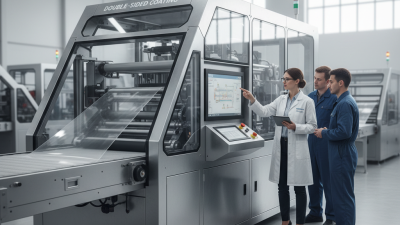
In the world of manufacturing, the efficiency of production is paramount. Experts emphasize the role of advanced machinery in achieving this efficiency. One such crucial machine is the Double-Sided Coating Machine. Dr. Emily Carter, a leading authority in coating technology, once stated, “The right double-sided coating machine can dramatically enhance productivity and product quality.”
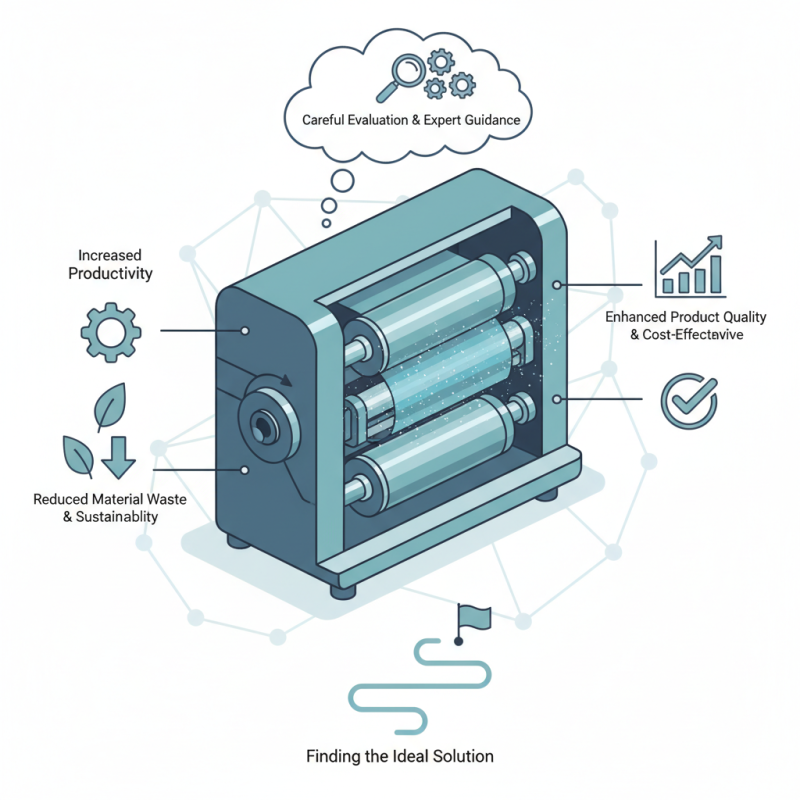
This statement reflects the significant impact of using a Double-Sided Coating Machine in modern production lines. Unlike traditional methods, this technology applies coatings on both sides of a substrate simultaneously. This not only saves time but also reduces material waste. As industries strive for sustainability and cost-effectiveness, the adoption of such machines becomes more pressing.
However, it's worth noting that not all machines are created equal. Some may fall short in terms of reliability or output quality. Identifying the top Double-Sided Coating Machine requires careful consideration and expert guidance. Companies must evaluate their specific needs and the capabilities of various models in the market. The journey to finding the ideal solution may involve trial and error but ultimately leads to better production outcomes.
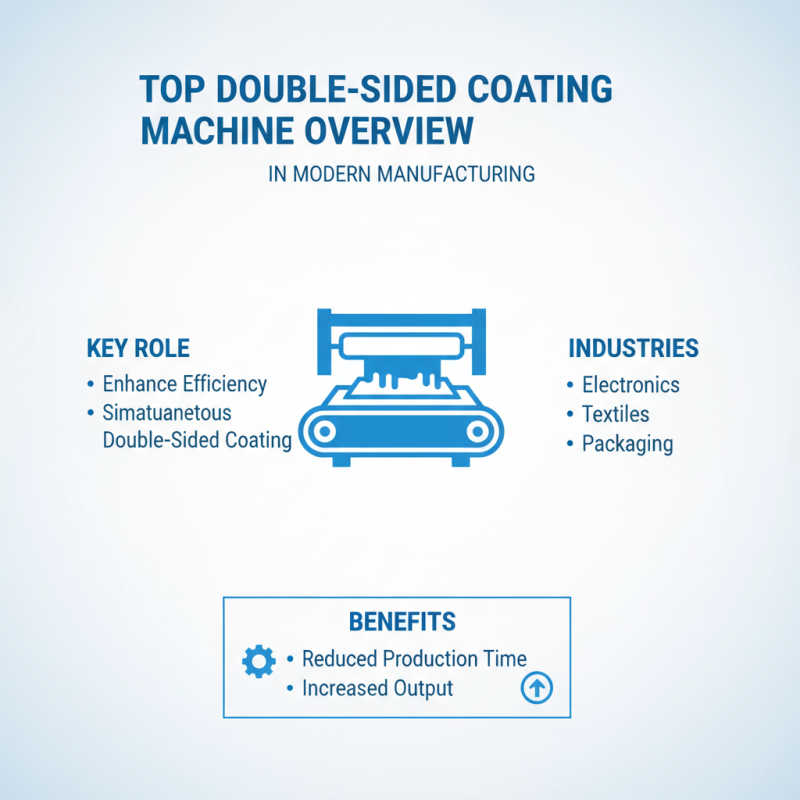
Top Double-Sided Coating Machine Overview in Modern Manufacturing
In modern manufacturing, double-sided coating machines play a crucial role. These machines enhance efficiency by applying coatings on both sides of materials simultaneously. They are essential in industries like electronics, textiles, and packaging. A well-designed machine can significantly reduce production time, leading to increased output.
Tips for choosing a double-sided coating machine include assessing the material types you work with. Different machines excel with specific materials. Consider the machine’s speed and efficiency. Higher speeds can improve productivity but may compromise quality. Testing a machine before purchase is wise. Ensure it meets industry standards and your production needs.
Double-sided coating machines often come with a learning curve. Proper training is essential for operators. You might encounter initial difficulties in settings and adjustments. Continuous improvement through feedback can help refine processes over time. Adaptability is a key trait for teams working with such technology. Regular maintenance is also crucial to prevent downtime.
Key Specifications and Features of Leading Double-Sided Coating Machines
Efficient production often relies on the quality of machinery used, particularly in the coating process. Leading double-sided coating machines have become essential in various industries, from packaging to electronics. These machines offer impressive specifications, such as adjustable speed settings, precise temperature controls, and the ability to handle multiple substrate types. Their adaptability is crucial for enhancing production efficiency and maintaining high-quality standards.
One notable aspect is the increased automation in these machines. Reports indicate that automation can improve processing time by up to 30%. This efficiency allows businesses to meet growing demand without sacrificing product quality. Additionally, many models come equipped with user-friendly interfaces that simplify operation and maintenance. Knowing how to utilize these features can significantly impact overall productivity.
Tip: Regular maintenance is key. Proper upkeep can extend the life of these machines. Familiarize yourself with maintenance schedules to prevent unexpected breakdowns.
While these machines can drive efficiency, they also come with a learning curve. Operators must be trained adequately to maximize their potential. This training can involve understanding the intricacies of settings and adjustments specific to various coating materials. It’s crucial not to overlook this step, as improper use can lead to production defects.
Tip: Continuous education in handling machinery enhances skills and reduces errors. Engage with technical materials and attend workshops when possible.
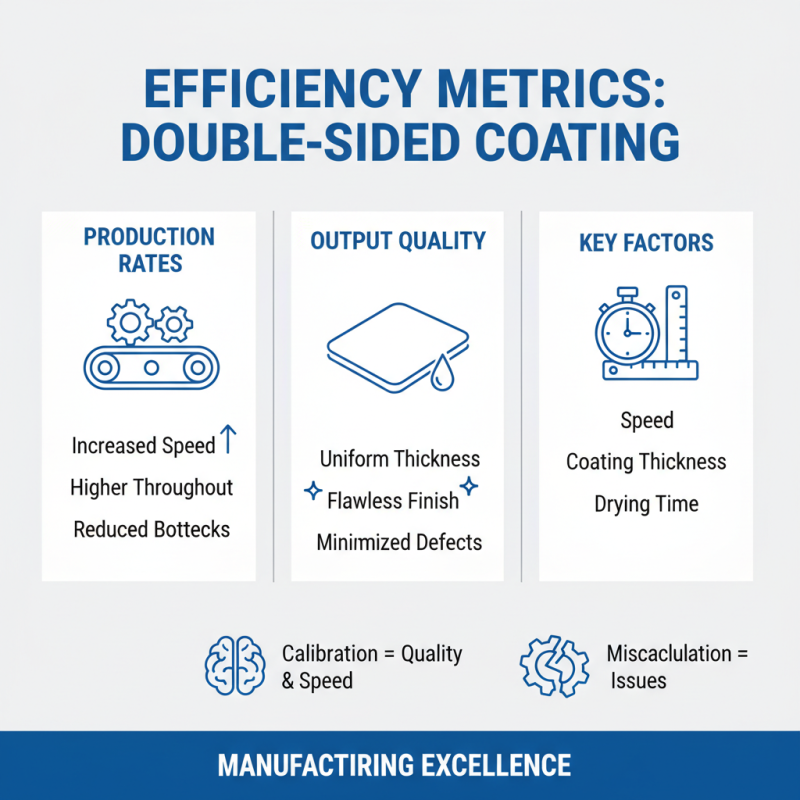
Efficiency Metrics: Analyzing Production Rates and Output Quality
In the realm of manufacturing, double-sided coating machines stand out for their efficiency. They significantly enhance production rates while maintaining high output quality. Efficiency metrics vary widely. Factors such as speed, coating thickness, and drying time all play crucial roles. A well-calibrated machine can produce coatings at impressive rates, yet miscalculations can lead to quality issues.
Analyzing production output is essential. It’s common to find that while machines operate at high speeds, defects may still arise. These can include uneven coating or blemishes. Implementing constant monitoring is vital. Regular checks help identify problems early in the process. This approach mitigates risks, ensuring that both the quantity and quality of production remain high.
Technical expertise is necessary for maximizing machine performance. Operators should be trained to adjust settings based on material types and production needs. Experience plays a key role in achieving optimal results. Even the best machines can falter without proper handling. Consistent evaluation and adaptation are crucial for continuous improvement, driving efficiency in every production cycle.
Market Trends: Growth and Innovation in Double-Sided Coating Technologies
The double-sided coating technology market is evolving rapidly. A recent report predicts that the global market will grow at a CAGR of 6.5% by 2027. This growth is driven by increasing demand across various industries, including electronics and packaging. As manufacturers seek to enhance performance and efficiency, innovative technologies are emerging to meet these needs.
Incorporating advanced coating materials is essential. New formulations offer improved adhesion, durability, and environmental resistance. Additionally, automation in production processes is gaining traction. This shift allows for greater precision and reduced labor costs. However, some companies struggle to adapt to these innovations, which can hinder their competitiveness. Balancing traditional practices with new technologies is crucial.
Tip: Invest in training your workforce to understand new technologies.
Another trend is sustainability. Many manufacturers focus on eco-friendly materials and processes. This shift aligns with consumer demand for greener products. Nevertheless, achieving sustainability can be complex. Not all companies have the resources to implement these changes effectively. It's important to evaluate the impact of new materials versus traditional ones.
Tip: Regularly assess your production processes for efficiency.
Comparative Analysis of Cost-Effectiveness in Coating Machinery Choices
In today's competitive manufacturing landscape, selecting the right coating machinery is critical. A recent industry report indicates that companies often overlook the full lifecycle costs of these machines. The initial purchase price, though significant, is just one aspect of the total cost of ownership. Maintenance, energy consumption, and operational efficiency play vital roles in the overall financial picture.
For instance, a study by the Manufacturing Technology Association highlighted that companies can save up to 30% in operational costs when investing in high-efficiency double-sided coating machines. These savings often arise from reduced energy usage and less downtime. However, the upfront investment can be a deterrent for smaller firms. They may hesitate, opting for lower-cost alternatives that compromise longevity and performance.
Examining the cost-effectiveness of coating machinery could reveal surprising insights. Maintenance costs can exceed savings from cheaper machines over time. Continuous improvements in technology mean that older machines may not keep pace with energy efficiency standards. While it may seem tempting to select options based solely on initial price, reflecting on long-term impacts is crucial for sustainable growth.
Top Double-Sided Coating Machine for Efficient Production
| Model |
Coating Speed (m/min) |
Production Capacity (units/hour) |
Energy Consumption (kW) |
Cost ($) |
Maintenance Frequency (months) |
ROI Period (months) |
| Model A |
30 |
200 |
10 |
25,000 |
6 |
18 |
| Model B |
25 |
180 |
12 |
22,000 |
8 |
20 |
| Model C |
35 |
220 |
9 |
30,000 |
5 |
15 |
| Model D |
20 |
160 |
15 |
18,000 |
10 |
22 |