Leave Your Message
Please agree to this agreement

Top 10 Types of Leather Coating Machines for Buyers

Choosing a Leather Coating Machine starts with the finish, the material, and the production target. A smooth pigment coat may need different equipment from a textured, glossy, or protective topcoat. Leather thickness, surface condition, coating viscosity, and drying requirements also shape the decision. Small variations matter. A slight change in feed speed can affect how evenly a coating covers the hide.

This guide introduces ten common types of leather coating machines, from roller coaters and spray systems to curtain and transfer-coating equipment. Each type handles materials and application methods differently. Some suit controlled, repeatable coating across broad surfaces; others offer flexibility for varied finishes or smaller production runs. The right fit depends on the buyer’s actual process, not just a machine’s advertised speed. Look closely at adjustable settings, coating width, drying capacity, cleaning access, and support for sample testing. Ask suppliers to run representative leather, then inspect coverage, consistency, and waste. A polished demonstration is useful, but it may not reflect your everyday materials. That is worth questioning. Specifications alone rarely tell the whole story, and there is no universal best machine. The following overview provides a practical starting point for comparing options and identifying the questions to ask before purchase.

Top 10 Types of Leather Coating Machines for Buyers

How Leather Coating Lines Work: Application, Drying, and Finish Control

Top 10 Types of Leather Coating Machines for Buyers
How Leather Coating Lines Work: Application, Drying, and Finish Control

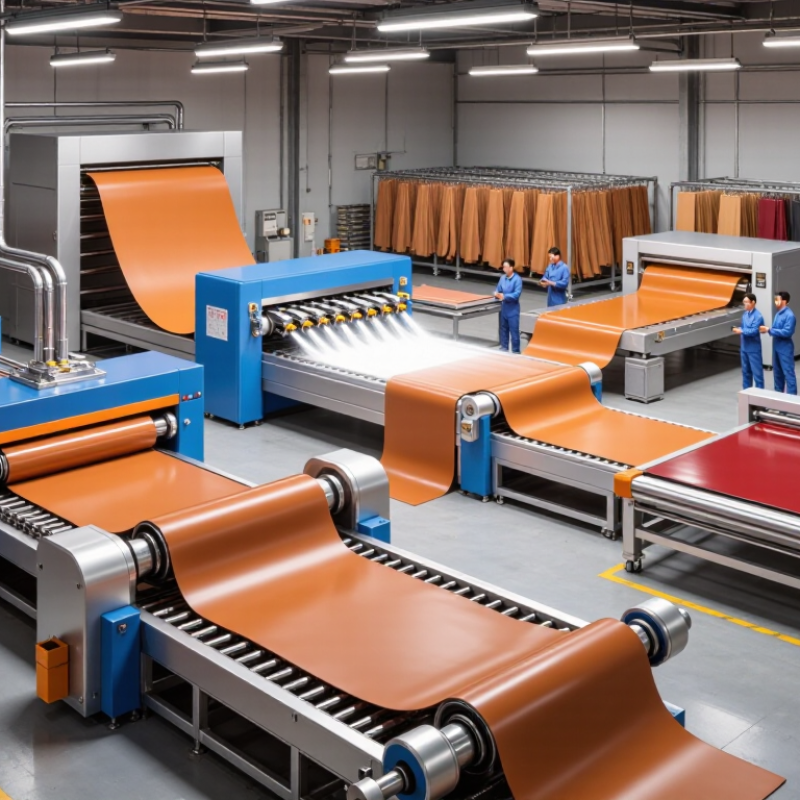
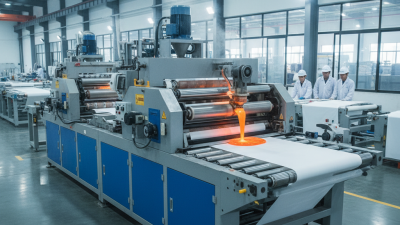
A leather coating line moves each hide through application, drying, and finishing stages. A roller, curtain, or spray system applies the coating, depending on the material and desired surface. The operator checks coverage, feed speed, and coating thickness. For example, uneven pressure can leave faint bands across a hide. Small changes matter. Test settings on a sample before running valuable material, since leather absorbs and stretches differently.

Drying stabilizes the coating before later layers or finishing steps. Air temperature, airflow, and line speed all affect the result. Excess heat may dry the surface too quickly while leaving the layer underneath soft. Too little airflow can prolong drying and collect dust on tacky areas. After drying, embossing, polishing, or other finishing operations can adjust texture and appearance. Inspect under consistent lighting; a finish that looks even under one lamp may reveal streaks elsewhere. Perfect control is difficult, and operators may need to revise settings between batches.

Tips: Record coating weight, temperature, and line speed for each trial. Check adhesion and flexibility after cooling, not just the wet appearance. Keep a small reference sample; it can expose gradual finish changes.

Roller, Reverse-Roll, Knife, and Curtain Coaters: Four Film-Application Methods

Roller, reverse-roll, knife, and curtain coaters apply liquid finishes differently. The right choice depends on coating thickness, leather texture, and production speed. A standard roller coater transfers finish through a rotating cylinder. Operators can adjust the gap and pressure to control coverage. It suits steady runs and relatively even surfaces. Raised grain or uneven hides may still show thin spots.

Reverse-roll coaters use rollers moving against the leather’s direction. This arrangement can produce a more controlled, uniform film, especially with low-viscosity finishes. Small changes in roller speed or gap can affect the result. Test settings with actual material. It is easy to assume one recipe will work across every hide; often, it will not.

Knife coaters spread finish with a fixed blade above a moving surface. They can handle heavier coatings, but blade height and leather tension need close attention. A tiny gap change matters. Curtain coaters let liquid fall as a continuous sheet onto passing leather. They work best with stable flow and carefully prepared surfaces. Dust, edge irregularities, or changing viscosity can interrupt the curtain. Inspect coated samples under angled light, then check adhesion and flexibility after drying. The cleanest wet film is not always the best finished leather.

Top 10 Types of Leather Coating Machines for Buyers — Roller, Reverse-Roll, Knife, and Curtain Coaters: Four Film-Application Methods
Machine Type Film-Application Method How the Coating Is Applied Typical Uses Key Selection Considerations
Direct Roller Coater Roller A rotating application roll transfers coating directly to the leather surface. The deposited amount is influenced by roll settings, coating properties, and line speed. Applying primers, base coats, and finishing layers to leather and coated textile substrates. Consider roll surface, adjustable gap, substrate thickness variation, and whether the coating can be applied evenly at the intended production speed.
Reverse-Roll Coater Reverse-roll Two or more rolls rotate in opposing directions at the coating interface. Their relative speeds and settings help meter the coating before it reaches the substrate. Controlled, relatively uniform coatings where accurate film metering is important. Check roll alignment, speed control, coating viscosity range, and compatibility with the leather’s surface texture and flexibility.
Knife-Over-Roll Coater Knife A blade spreads and levels a coating over a substrate supported by a roll. The blade gap and coating formulation influence the wet layer. Applying continuous layers to supported leather, synthetic leather, and related flexible materials. Assess blade adjustment, backing-roll support, edge control, and the risk of marking delicate or uneven surfaces.
Knife-Over-Air Coater Knife A blade meters coating while the flexible substrate is supported by an air cushion rather than a solid backing roll. Coating flexible or compressible substrates when reduced contact with a backing surface is useful. Requires stable web tension and air support. Check substrate handling, coating viscosity, and the machine’s ability to maintain a consistent gap.
Curtain Coater Curtain A continuous free-falling sheet of coating passes over the moving substrate. The method applies coating without a blade or application roll contacting the coated face. High-throughput coating of suitable, consistently moving sheet materials and selected leather-related substrates. Needs a stable curtain and a compatible coating formulation. Evaluate substrate flatness, line speed, coating recovery, and tolerance for edge losses.
Gravure Roller Coater Engraved-roll transfer An engraved roll carries a measured amount of coating in surface cells and transfers it to the substrate. Thin, controlled applications and patterned or repeatable deposits where the coating and substrate suit engraved-roll transfer. Consider engraving pattern and cell volume, cleaning requirements, coating particle size, and whether the desired finish can be achieved without visible roll marks.
Transfer Coating Machine Release-carrier transfer A coating is formed on a temporary release carrier, then bonded or transferred to the substrate through a subsequent process step. Producing coated materials in which a controlled surface layer is formed separately before transfer. Check carrier release properties, adhesive or bonding compatibility, drying and curing needs, and the number of process stages.
Spray Coating Machine Atomized spray Coating is atomized through spray nozzles and deposited onto the leather surface. Multiple passes may be used to build coverage. Finishing irregular surfaces, localized areas, and applications where a spray-based finish is required. Review overspray control, ventilation, nozzle maintenance, coating transfer efficiency, and the need for consistent movement and spray overlap.
Rotary Screen Coater Screen application Coating is pushed through openings in a rotating screen onto the moving substrate, allowing controlled or patterned deposition. Applying repeat patterns, textures, or deposits that benefit from screen-based transfer. Choose screen openings and pattern to suit coating viscosity and the target design. Consider cleaning, screen wear, and substrate registration.
Slot-Die Coater Metered slot application A pump feeds coating through a precision slot onto a moving substrate, creating a continuous layer when the formulation and process are properly matched. Applications requiring controlled, continuous coating on substrates that can be presented consistently to the die. Evaluate coating rheology, die width and gap, filtration, substrate surface variation, and setup requirements for the target coat weight.

Spray, Transfer, Padding, and Rotary-Screen Machines: Four Finish-Deposition Types

Top 10 Types of Leather Coating Machines for Buyers

Spray, transfer, padding, and rotary-screen machines apply finishes in different ways. Spray systems atomize liquid through nozzles, making them useful for adjustable coverage and textured surfaces. Watch for overspray and uneven droplets, especially near edges. Transfer machines coat a carrier, then press the finish onto leather. They can produce controlled layers, but carrier handling and pressure need careful adjustment. That matters.

Padding machines pass leather through rollers that spread a coating across its surface. They suit steady, continuous production, though soft hides may stretch or mark under excess pressure. Rotary-screen machines push finish through patterned openings in a rotating cylinder. They can create repeatable effects, but screen choice and cleaning affect the result. Not always. A machine’s name alone cannot predict finish quality; viscosity, leather condition, line speed, and drying conditions all play a part.

Tips: Ask for a trial using your own leather and coating. Check both the surface and the reverse side, then compare several pieces for consistency. Record settings such as roller gap, spray pressure, and line speed. Small differences can matter. A trial may not represent every production shift, so leave room to reassess.

Vacuum Coating and Embossing Machines: Two Specialized Finishing Systems

Vacuum coating machines and embossing machines serve different finishing goals, but both can change leather’s appearance and performance. A vacuum coating system uses controlled vacuum conditions to apply or transfer a surface layer, depending on its design. On prepared leather, this can help produce more even coverage and a consistent feel. Operators still need to watch coating viscosity, line speed, and the material’s moisture. During a buyer’s trial, inspect the surface under angled light for pinholes, cloudy patches, or uneven gloss. Small details matter.

Embossing machines press a patterned plate or roller into leather, often with controlled heat and pressure. The result may resemble natural grain or create a distinct decorative texture. Pattern depth depends on leather thickness, temperature, pressure, and dwell time; excessive pressure can flatten the surface or leave marks. Ask suppliers to test the machine on leather similar to your own, then compare samples after cooling and flexing. A sample can look convincing at first, yet reveal weak definition after handling. That is worth checking. Buyers should also consider changeover time, cleaning access, and how easily operators can adjust settings between batches.

How to read this chart: The bars count the ten machine types listed below by their primary finishing operation; they are not market-share or production data. Vacuum coating and embossing are shown as distinct specialized systems.

Machines included: Roller, spray, curtain, and padding/impregnation coating machines; drying oven; embossing press; vacuum coating machine; staking machine; buffing/sanding machine; and glazing/polishing machine.

Compare Line Speed (m/min), Coat Weight (g/m²), and ISO 11644 Adhesion Tests

When comparing leather coating machines, read line speed and coat weight together. Roller, spray, curtain, and reciprocating systems can behave differently with the same finish. A fast line is useful only when drying keeps pace. Otherwise, wet coating may mark, sag, or transfer onto rollers. Check speed in metres per minute under a representative recipe, not just the machine’s maximum setting. Ask whether the stated coat weight in g/m² means wet application or dry film. Those figures are not interchangeable. Small details matter.

Use consistent leather panels and measure coating across several points, including near the edges. Record the finish, number of passes, and conditioning conditions; otherwise, comparisons can mislead. ISO 11644 evaluates adhesion of a finish to leather using a defined test method. It does not certify the coating machine or predict every kind of wear. Compare test results only when sample preparation and test conditions match. A higher line speed may reduce coating uniformity, while heavier application can affect drying and adhesion. There is no universal best setting. In practice, buyers should request trial runs using their own leather and inspect both measured coat weight and adhesion results. A clean test panel can still hide production variation.