Leave Your Message
Please agree to this agreement

What Is a Carbon Fiber Coating Machine?

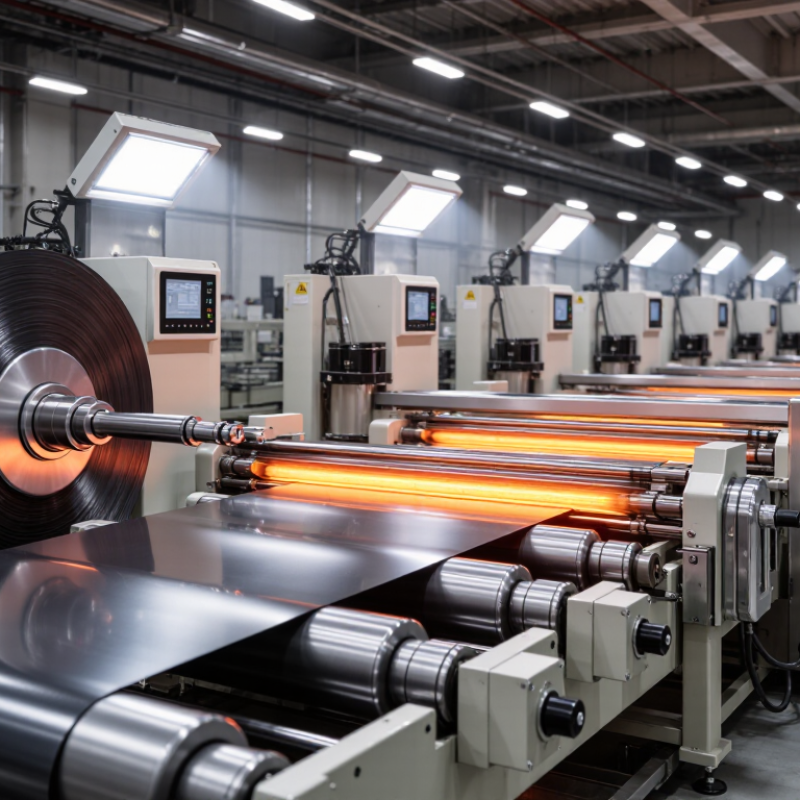
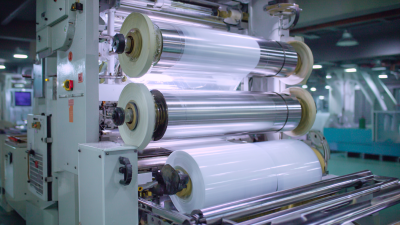
A Carbon Fiber Coating Machine is industrial equipment designed to apply a controlled resin, sizing, or protective coating to carbon fiber surfaces. It supports stable adhesion, smoother handling, and more consistent performance during later processing. In practical terms, the machine may include unwinding rollers, tension controls, coating heads, heating zones, cooling rollers, and a rewinding unit. Each component affects the final fiber quality.

The process looks simple. It is not. Fiber tension, coating viscosity, line speed, temperature, and drying time must remain balanced. A small tension change can create wrinkles across a wide roll. Excessive heat may damage the sizing or alter resin behavior. Too little heat can leave a sticky, uneven surface. Operators often inspect the coated fiber under bright, angled lighting because thin streaks are difficult to detect.

Dr. Stephen W. Tsai, a respected composites researcher, has emphasized, “The interface is where composites succeed or fail.” This principle explains why a Carbon Fiber Coating Machine matters beyond surface appearance. The coating must connect effectively with the selected matrix material. It must also remain uniform during storage, transport, and molding.

Modern systems may use closed-loop viscosity control, infrared heating, and digital tension monitoring. These features improve repeatability, although they do not remove every production risk. Maintenance still matters. Roller wear, clogged nozzles, and inaccurate temperature sensors can reduce coating quality quickly. A useful introduction should therefore view the machine as part of a complete manufacturing system, not as an isolated piece of equipment. That distinction is easy to miss.

What Is a Carbon Fiber Coating Machine?

Definition and Core Purpose of a Carbon Fiber Coating Machine

What Is a Carbon Fiber Coating Machine?

A carbon fiber coating machine applies a controlled layer to carbon fiber filaments, fabrics, tapes, or formed parts. Its core purpose is to improve surface performance before later manufacturing steps. The coating may contain resin, sizing, protective chemicals, or another compatible material. Rollers, spray heads, or precision applicators distribute the coating evenly. Drying or curing units then stabilize the treated material.

In practical production, operators control coating thickness, line speed, temperature, tension, and resin viscosity. These settings affect bonding, flexibility, handling, and final composite strength. A well-adjusted machine can reduce dry spots, excess resin, wrinkles, and material waste. However, perfect uniformity is difficult. Fiber bundles can absorb coating differently, especially when humidity or tension changes. Experienced technicians inspect the surface and adjust settings instead of trusting one fixed recipe. That judgment is often overlooked.

Tips: Check coating weight regularly. Keep tension stable. Clean rollers after each production cycle. Record temperature and viscosity readings. Small variations matter. A useful inspection should include visual checks, weight measurements, and adhesion testing. When defects appear, review the entire process rather than blaming the machine immediately.

Main Components and How the Machine Operates

What Is a Carbon Fiber Coating Machine?

A carbon fiber coating machine applies a controlled layer of sizing, resin, or protective chemistry to carbon fiber strands. Its main components include a creel, tension controllers, coating unit, metering rollers, drying oven, cooling section, and winding system. The creel releases the fiber gently. Tension sensors then stabilize the tow before coating begins. Small variations matter.

During operation, fibers pass through a dip bath, kiss-roll system, or precision die. The coating unit spreads liquid across thousands of filaments. Metering rollers remove excess material and control coating weight. An infrared or hot-air oven then evaporates solvents or cures the resin. Cooling rollers reduce temperature before the treated fiber reaches the take-up reel. A PLC monitors speed, tension, temperature, and line pressure.

The International Energy Agency reported nearly 14 million electric cars sold globally in 2023. Lightweight composite parts support efficiency targets, increasing pressure for stable fiber treatment. The Global Wind Report 2024 recorded 117 gigawatts of new wind capacity installed in 2023. These figures indicate wider demand for consistent composite materials, although they do not measure coating-machine demand directly. In practice, coating uniformity can still drift near reel changes or during humidity shifts. Operators should inspect filament spreading, coating pickup, and cured flexibility instead of trusting settings alone. A perfect recipe on paper may need adjustment on the factory floor.

What Is a Carbon Fiber Coating Machine? - Main Components and How the Machine Operates

System or Component Main Purpose Typical Operating Parameters How It Operates Key Control Considerations Maintenance Focus
Carbon Fiber Payoff Unit Feeds carbon fiber tow, yarn, tape, or fabric into the coating line at a controlled tension. Adjustable line speed; tension commonly controlled electronically or pneumatically. The package unwinds while rollers guide the carbon fiber toward the coating section without excessive slack or stretching. Stable tension, correct package alignment, and smooth unwinding are essential for uniform coating. Inspect bearings, dancer rollers, brakes, and tension sensors. Remove fiber dust from guides.
Guide Roller and Alignment Assembly Keeps the fiber path straight and maintains the correct entry angle into the coating area. Low-friction rollers with surfaces selected to reduce abrasion and fiber damage. Rollers redirect and support the moving fiber while minimizing lateral movement and contact pressure. Roller alignment and surface condition directly affect coating width, wrinkles, and broken filaments. Check roller runout, cleanliness, surface wear, and alignment during routine inspections.
Coating Material Supply Tank Stores and delivers resin, sizing, binder, or another protective coating material to the applicator. May include agitation, level monitoring, filtration, and temperature control. A pump or controlled feed system transfers the coating material from the tank to the application head at a consistent rate. Viscosity, solids content, temperature, and material level must remain within the process specification. Clean the tank, filter, hoses, and valves before material deposits harden or restrict flow.
Metering Pump Controls the volume and flow rate of coating material supplied to the application zone. Flow is matched to line speed, coating width, and target add-on weight. The pump provides a measured flow so that the coating amount remains consistent as the fiber moves continuously. Flow pulsation, air entrainment, and incorrect calibration can cause streaks or uneven coating thickness. Inspect seals, tubing, filters, and calibration. Flush the pump using a compatible cleaning method.
Coating Applicator Applies the liquid or molten coating to the carbon fiber surface. Common configurations include dip, kiss-roll, slot-die, spray, and roller-based application. The moving fiber passes through or beneath the applicator, where the coating is transferred across the required width. Gap, pressure, roller speed, coating temperature, and fiber speed determine coating uniformity. Remove cured residue, verify applicator gap, and inspect nozzles or rolls for blockage and wear.
Excess-Coating Removal Unit Removes surplus material and helps achieve the desired coating add-on and surface finish. May use metering rolls, air knives, wiping elements, or controlled nip pressure. After application, excess coating is redistributed or removed before the coated fiber enters the curing section. Uneven pressure or airflow can produce bare areas, thick edges, or unstable coating weight. Clean wiping surfaces, air slots, and metering rolls; verify pressure and gap settings.
Heating and Curing Chamber Dries, melts, or cures the coating so it bonds to the carbon fiber and reaches the required final properties. Temperature and residence time depend on the coating chemistry; several heating zones may be used. Controlled heat removes solvent or moisture, or activates curing reactions while the fiber travels through the chamber. Zone temperature, air circulation, exhaust rate, and line speed determine the effective thermal history. Clean heaters and air ducts, check temperature sensors, and inspect insulation and exhaust paths.
Cooling Section Reduces the temperature of the coated fiber before winding, cutting, or downstream processing. Air cooling or contact cooling may be used, depending on the coating and production speed. Cooling stabilizes the coating and prevents sticking, deformation, or blocking during take-up. Cooling must be sufficient without creating excessive airflow that disturbs the fiber path. Clean fans, filters, ducts, and cooling surfaces; confirm airflow and temperature readings.
In-Line Inspection and Measurement Monitors coating width, surface appearance, defects, tension, temperature, and sometimes coating weight. May use optical sensors, cameras, load cells, temperature sensors, and thickness or weight checks. Sensors collect process data continuously and send signals to the control system for alarms or adjustments. Sensor calibration, measurement repeatability, and correct alarm limits are critical to quality control. Clean optical windows, verify calibration, test alarms, and record inspection results.
Drive and Tension-Control System Coordinates roller speeds and maintains steady fiber tension throughout the machine. Uses motors, drives, encoders, dancer systems, or load cells for synchronized control. The controller compares measured speed or tension with set points and adjusts motor output in real time. Sudden speed changes, excessive tension, or poor synchronization may cause breaks and coating defects. Check belts, couplings, encoders, drive alarms, and tension calibration.
Control Cabinet and Human-Machine Interface Allows operators to set, monitor, and record process conditions. Typically manages temperature, pump speed, line speed, tension, alarms, and recipe settings. The control system receives sensor inputs and adjusts heaters, drives, pumps, and other actuators according to programmed set points. Interlocks should prevent operation when guards are open, temperatures are unsafe, or material flow is interrupted. Back up settings, inspect electrical connections, test emergency stops, and keep cooling paths clear.
Take-Up or Winding Unit Collects the coated carbon fiber in a controlled package for storage or further processing. Winding speed and torque are synchronized with line speed and target package tension. The finished material is guided onto a spool, reel, or carrier while the winding system maintains package shape and tension. Excessive winding tension can deform the package or damage the coated fiber; insufficient tension can cause loose layers. Inspect chucks, winding guides, bearings, drive components, and package alignment.
Typical Operating Sequence Defines the complete path from raw carbon fiber to finished coated material. Feed preparation → tension control → coating application → metering → curing or drying → cooling → inspection → winding. The fiber moves continuously through synchronized sections while the control system maintains the selected process recipe. Stable material properties, consistent line speed, and coordinated temperature and tension control support repeatable output. Use documented start-up, changeover, shutdown, cleaning, and quality-check procedures.
Primary Quality Indicators Confirms whether the coating process is producing usable and consistent carbon fiber material. Coating add-on, coverage, thickness, width, adhesion, surface appearance, residual moisture, and tensile performance. Operators combine in-line measurements with laboratory or manual inspections to verify process performance. Measurements should be compared with the product specification rather than judged only by visual appearance. Maintain traceable records, calibrate test equipment, and investigate trends before defects become widespread.

Common Coating Materials Used for Carbon Fiber

What Is a Carbon Fiber Coating Machine?

A carbon fiber coating machine applies a controlled layer to carbon fiber fabric, strands, or finished parts. The coating can improve surface protection, bonding, flexibility, or resistance to moisture and heat. In practical production, operators monitor coating thickness, tension, line speed, and curing temperature. Small changes can affect the final texture. The equipment may use rollers, spray heads, dipping tanks, or precision nozzles.

Common Coating Materials Used for Carbon Fiber

Epoxy resin is widely used because it bonds strongly with carbon fiber and supports composite manufacturing. Polyurethane coatings offer flexibility and abrasion resistance, which helps protect fibers during handling. Acrylic coatings can provide a smooth surface and quick drying. Silicone materials remain useful when flexibility and temperature resistance are important. Some applications use ceramic-based coatings for stronger heat and wear protection. However, “stronger” does not always mean better. A hard coating may crack when the fiber bends repeatedly.

Tips: Match the coating to the fiber’s end use. Check viscosity before production, and test adhesion on a small sample. Watch for uneven edges, trapped bubbles, and brittle cured areas. Record curing temperature and drying time. Real workshop conditions can differ from laboratory results, so repeat testing matters. Avoid choosing a material based only on its lowest cost.

Key Applications Across Different Industries

What Is a Carbon Fiber Coating Machine?

Key Applications Across Different Industries

A carbon fiber coating machine applies sizing, resin, or protective layers to carbon filaments. It controls tension, temperature, coating thickness, and curing speed. In practical production, these settings determine whether fibers separate cleanly or form weak bundles. Small variations matter.

Aerospace manufacturers use coated carbon fiber in pressure panels, interior structures, and lightweight components. The International Energy Agency reported that global electric vehicle sales approached 14 million in 2023, creating further demand for weight-saving materials. Automotive plants use coated fibers in battery enclosures, body panels, and reinforced crash structures. These parts require consistent bonding and predictable surface performance.

Wind energy is another major application. The IEA recorded about 116 gigawatts of new wind capacity installed worldwide in 2023. Large turbine blades increasingly depend on composite reinforcement, where coating quality affects fatigue resistance and process stability. Sports equipment uses the same principle in bicycle frames, shafts, and protective gear. Industrial robots and pressure vessels also benefit from high strength at low weight.

The market is expanding. Grand View Research estimates the global carbon fiber market could grow at roughly 10.6% annually from 2023 to 2030. Yet growth does not remove practical problems. Coating systems can waste material, consume significant energy, and require frequent calibration. A faster machine is not always better. Application-specific testing remains necessary.

Factors to Consider When Choosing a Coating Machine

What Is a Carbon Fiber Coating Machine?

Factors to Consider When Choosing a Coating Machine

A carbon fiber coating machine applies resin, adhesive, or protective material across carbon fiber fabric. It controls coating thickness, web tension, speed, and drying conditions. In practice, the machine can determine whether a panel feels smooth or shows visible resin streaks.

Start with the coating material. High-viscosity resin may need heated rollers, while thinner solutions require accurate flow control. Ask for a working range, not only a maximum specification. A machine designed for wide fabric may waste material on narrow rolls. That matters during small production runs.

Check fabric width and line speed carefully. Uneven tension can create wrinkles near the edges. Poor temperature control may leave wet areas beneath a dry surface. Look for adjustable rollers, clear pressure settings, and sensors that operators can inspect easily. The control system should record speed, temperature, and coating weight for each batch. Traceable records support consistent quality and help identify process failures.

Maintenance also deserves attention. Rollers should be easy to remove and clean after resin cures. Replacement parts should have clear specifications and reliable availability. Ask the supplier for coating trials using your actual fabric and resin. Laboratory results can look convincing, but shop-floor conditions often expose problems. I have found that operator training influences results almost as much as machine design. A technically advanced system still produces inconsistent fabric when setup instructions are unclear. Some uncertainty remains. Test before committing.

What Is a Carbon Fiber Coating Machine?

Factors to Consider When Choosing a Coating Machine

A carbon fiber coating machine applies a controlled resin or protective coating to carbon fiber material. The most important selection factors are coating uniformity, line speed, material tension control, curing capability, and process stability.