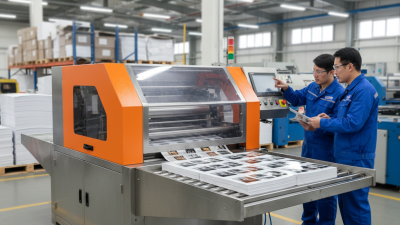
Why Choose a Leather Coating Machine for Your Business?
A Leather Coating Machine can help a business apply finishes with greater consistency, control, and repeatability. On a production line, that may mean fewer visible streaks, more even coverage, and less variation between hides. The value is practical. A well-adjusted roller, a stable coating flow, and controlled drying can make a noticeable difference to the finished surface. Small details matter.
Drawing on leather scientist Dr. Anthony D. Covington’s work on leather chemistry, a useful paraphrase is: “Consistent leather finishing depends on controlling both the material and the process.” This is a paraphrase, not a verified direct quotation. It captures an important point: equipment alone cannot correct every problem. Leather thickness, moisture, coating viscosity, and operator settings all affect the result.
For a business weighing an investment, the right machine should match its product range, output needs, and available floor space. Ask how quickly it can be cleaned, how precisely it handles coating thickness, and whether operators can adjust it without guesswork. Request a trial with your own leather, if possible. Watch the surface under angled light; uneven gloss can be easy to miss.
There are trade-offs. A sophisticated machine may bring higher upfront and maintenance costs, while a basic model may limit future capacity. Not every shop needs maximum automation. The best choice is the one that improves repeatability without adding complexity the team cannot manage. A careful evaluation beats a polished sales promise.
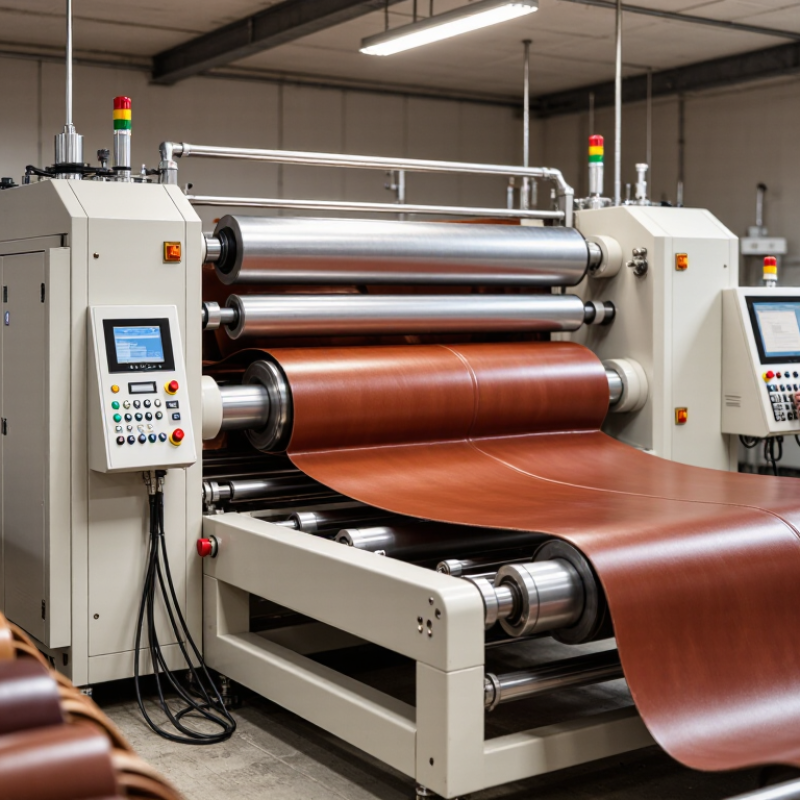
What a Leather Coating Machine Does
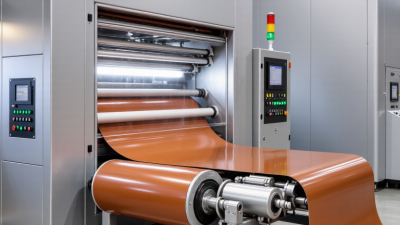
A leather coating machine applies controlled layers of finish to leather surfaces. Depending on its design, it may use rollers, spray heads, or other applicators. The coating can add color, improve surface consistency, or provide a chosen feel and level of protection. Thin layers matter. Too much finish can hide the leather’s grain or leave a stiff surface.
During production, the leather moves through the machine while operators adjust coating flow, roller pressure, speed, and drying conditions. For example, a soft hide may need gentler handling than a firm one. Even a small change in pressure can affect how evenly the finish spreads. Operators usually inspect samples under steady lighting and check for streaks, bare patches, or unwanted shine. This hands-on check is important.
The machine supports repeatable work, but it does not make every decision. Leather varies in thickness, moisture, and surface texture, so settings that work for one batch may need adjustment for another. A rushed setup can waste coating or produce uneven results. Maintenance matters, too: dried residue on a roller can leave marks across several hides. Real production is not perfectly tidy. Careful testing and timely cleaning help teams spot problems before they affect a larger run.
How the Leather Coating Process Works
A leather coating line begins with inspection.
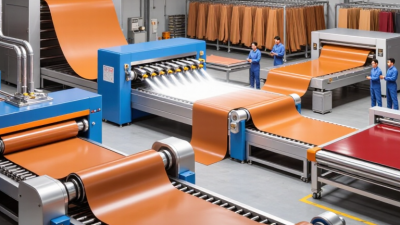
Operators check moisture, grain, and visible defects before feeding each hide onto a moving conveyor. The machine then applies pigment, binder, or a protective topcoat through rollers, spray heads, or curtain coating. Drying follows each layer. Speed, pressure, and coating volume need careful adjustment: too much finish can mask texture, while too little may leave uneven color. Small changes matter. The European Commission’s 2013 Best Available Techniques reference document for tanning describes these finishing methods and identifies emissions control as an operational concern.
The coating machine helps repeat the same settings across batches, but hides are natural materials, so results still vary. In practice, this stage is less tidy than a process diagram suggests. Operators may need to adjust settings for different thicknesses or surface conditions. The same European Commission report gives a water-use range of about 15–50 cubic metres per tonne of raw hide across tanning operations; this is not a figure for coating alone. It is useful context: finishing sits within a resource-intensive production chain, so accurate application and fewer rejected hides can matter. Track coating weight, line speed, drying temperature, and defects together. A machine may improve consistency, but it cannot replace skilled inspection.
Key Benefits for Leather Businesses
A leather coating machine can make finishing more repeatable across hides, especially when operators control coating thickness, line speed, and drying temperature. That matters on the shop floor: uneven spray or roller pressure can leave dull bands, heavy edges, or inconsistent color. A stable setup helps reduce avoidable rework. It is not automatic, though. Leather varies in absorbency, so recipes still need testing.
The commercial case is tied to product demand, not a guaranteed machine payback. Grand View Research valued the global leather goods market at about US$468.5 billion in 2023 and projected a 6.1% compound annual growth rate from 2024 to 2030. For manufacturers, consistent finishing can support repeat orders and a wider range of surface effects, from matte protection to a smooth gloss. Small changes matter.
Look closely at the details. A suitable machine can help meter coatings evenly, repeat settings between batches, and reduce direct handling of wet surfaces. This may improve workflow, but results depend on maintenance, operator training, and the coating formulation. The European Commission’s reference document on best available techniques for tanning also emphasizes controlling process conditions and emissions; equipment choice should fit that wider process. A mismatch can waste material. Test representative hides, record settings, and compare finished pieces before committing to a full production run.
Factors to Consider When Choosing a Machine
Choosing a leather coating machine starts with the material, not the advertised line speed. Record hide width, thickness, surface variation, and the coating’s viscosity. Then test the actual formulation on representative pieces. Small details matter. A roller coater may suit steady, repeatable layers, while a knife system can offer tighter control over film thickness. Ask for measured results across several passes, not one perfect sample.
Check usable width, speed range, metering accuracy, and drying capacity as one system. The U.S. Department of Energy’s Improving Motor and Drive System Performance sourcebook reports that motor-driven systems use about 69% of electricity in U.S. manufacturing. That makes motor efficiency and adjustable drives worth checking, especially on long shifts. If the machine uses compressed air, DOE’s Improving Compressed Air System Performance sourcebook notes that leaks can waste 20–30% of compressor output. Ask how air use is monitored and how accessible the lines are.
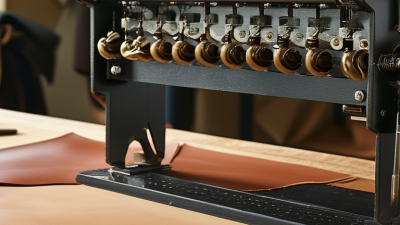
Cleaning time, operator access, guarding, and spare-part availability affect real production costs. Ask operators to inspect the doctor blade, rollers, and wash-down points during a demonstration. I would not trust catalogue speed alone; it rarely reflects changeovers or imperfect hides. Test actual hides. A short trial with your coating, cure settings, and normal shift routine can reveal uneven edges, buildup, or awkward cleaning before purchase.
Why Choose a Leather Coating Machine for Your Business?
Factors to Consider When Choosing a Machine
These illustrative planning weights total 100% and are not industry-survey results. Adjust them to reflect your production volume, leather types, coating requirements, available space, and operating budget.
How to Assess Costs, Capacity, and Maintenance Needs
A leather coating machine should be assessed by its full operating cost, not just its purchase price. Include installation, operator training, energy use, coating materials, and routine replacement parts. Ask suppliers for estimated consumption per production hour, then compare that figure with your current process. A low initial price can look attractive. That gap matters.
Capacity should match your actual workload, including busy periods and product changes. Check usable coating width, line speed, drying time, and how quickly operators can adjust settings between leather types. A machine rated for high output may still cause bottlenecks if loading or curing takes longer than expected. Request a demonstration using material similar in thickness and finish to yours. Record the output and note rejected pieces, not only the fastest run.
Maintenance needs affect both costs and production schedules. Review daily cleaning steps, access to rollers and spray components, and the availability of wear parts. Ask how often filters, seals, or other components typically need inspection, while treating estimates as starting points rather than guarantees. Small details count. A hard-to-reach buildup can add minutes to every shift, and those minutes accumulate. It is easy to overlook cleaning time when comparing machine specifications, so include it in your capacity estimate.