2026 Top Coating Machine Manufacturers and Suppliers
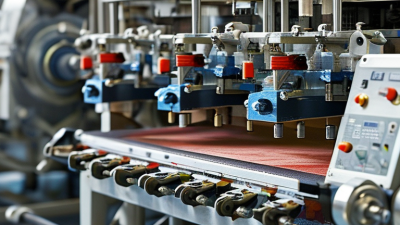
Choosing the right Coating Machine manufacturer can influence product quality, production speed, and long-term operating costs. In 2026, suppliers serve diverse industries, including packaging, electronics, automotive components, textiles, furniture, and advanced materials. Their equipment may include roll coaters, spray systems, slot-die coaters, dip coaters, and precision vacuum solutions. Each design handles different materials, coating thicknesses, line speeds, and drying requirements.
Performance depends on more than machine specifications. A reliable evaluation should examine coating uniformity, temperature control, web tension, automation options, maintenance access, and technical support. For example, a packaging producer may prioritize high-speed roll coating, while an electronics manufacturer may require micron-level precision and controlled environmental conditions. Factory demonstrations, sample trials, and verified customer references can reveal practical results that brochures often omit. Real production evidence matters.
There is no universal winner.
This guide reviews leading Coating Machine manufacturers and suppliers through practical, industry-focused criteria. It considers engineering experience, customization capability, component quality, installation support, training, after-sales service, and documented reliability. Regional service coverage also deserves attention, especially when downtime can stop an entire production line. Some rankings may change as technologies improve, prices shift, or supplier support weakens. That uncertainty is worth acknowledging. Buyers should confirm current certifications, delivery schedules, warranty terms, and total ownership costs before signing an agreement. A machine that looks efficient on paper may require complex cleaning or expensive replacement parts. Careful comparison remains essential for a confident 2026 purchasing decision.
Types of Coating Machines and Their Industrial Applications
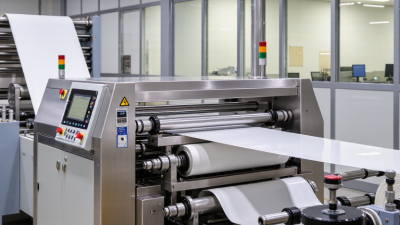
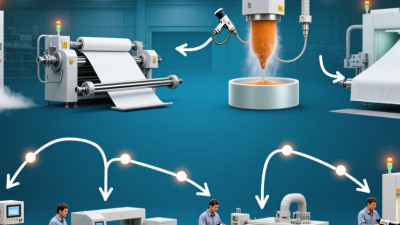
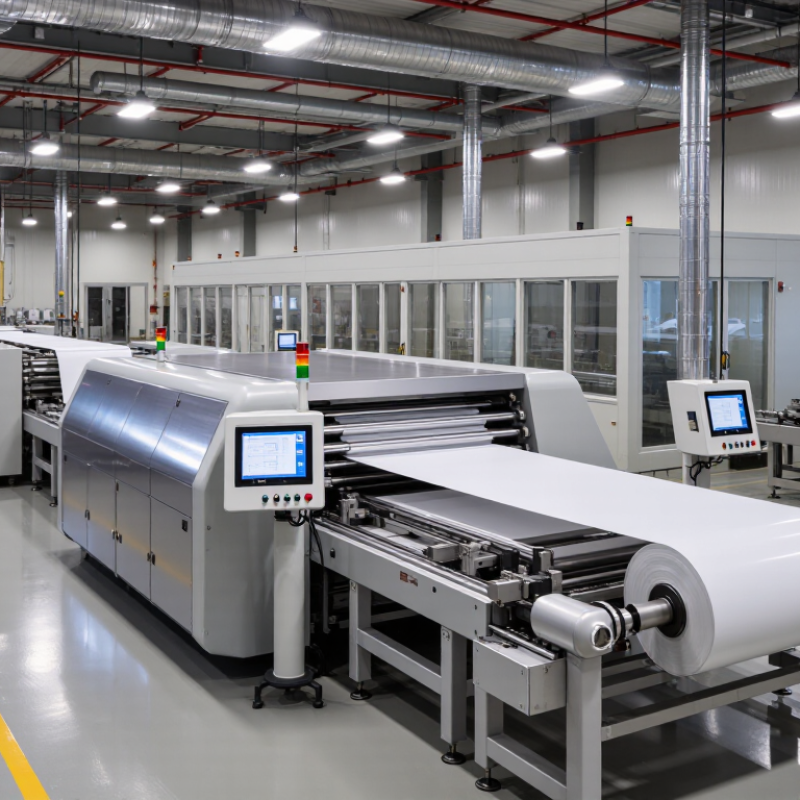
Coating machines apply controlled layers to surfaces, films, sheets, and shaped components. Roll-to-roll systems handle flexible packaging, battery films, and electronic materials. They maintain web tension while transferring liquid coating across wide moving rolls. Slot-die coaters deliver precise layers for batteries, displays, and technical membranes. Operators adjust pump pressure, coating gaps, and drying temperature.
Spray coating machines suit automotive panels, appliances, and irregular components. They create even coverage around corners and recessed areas. Dip coaters immerse parts completely, making them useful for wires, fasteners, and corrosion-resistant treatments. Curtain coaters spread a continuous liquid sheet over flat panels. Powder coating systems use electrostatic attraction and heat curing for durable metal finishes. Small parts need care.
Choosing equipment requires more than comparing maximum speed. Production teams should test actual material viscosity, surface energy, drying behavior, and target thickness. A supplier should provide trial data, calibration support, spare-part access, and clear maintenance procedures. Inline cameras and thickness gauges can identify streaks before an entire batch fails. No machine is perfect. Even accurate systems may struggle with dust, unstable temperatures, or changing substrate quality. A practical evaluation includes cleaning time, operator training, energy use, and waste control. These details often matter more than impressive catalog figures.
Key Features of Leading Coating Machine Manufacturers
Leading coating machine manufacturers now compete on control, not simply production speed. Grand View Research valued the global industrial coatings market at approximately USD 102 billion in 2023, showing strong demand for consistent application systems. That demand makes metering accuracy essential. Modern machines should maintain stable film thickness, even across wide panels and irregular surfaces. Servo-driven pumps, closed-loop viscosity control, and programmable spray patterns help reduce overspray and material waste.
Automation is another defining feature. A 2024 MarketsandMarkets analysis of coating equipment identified automation and process efficiency as major growth drivers. Leading suppliers therefore provide recipe storage, touchscreen monitoring, automatic nozzle cleaning, and production data logging. These functions help operators trace defects to pressure, temperature, or flow changes. Useful details matter. A practical system should also offer quick-change parts and accessible maintenance points.
Energy performance deserves closer attention. The International Energy Agency continues to identify industrial efficiency as a major path to lower manufacturing emissions. Variable-speed motors, heat recovery, and optimized curing airflow can reduce operating costs. However, digital controls are not automatically valuable. Poorly trained operators may create expensive mistakes faster. In my experience, the strongest manufacturers combine reliable hardware, clear training, testing support, and responsive after-sales service. A polished interface helps, but measurable coating results matter more.
Top Coating Machine Manufacturers and Suppliers in 2026
Choosing among the top coating machine manufacturers and suppliers in 2026
requires more than comparing catalog prices. Experienced buyers examine
coating width, line speed, viscosity control, drying capacity,
and material compatibility. A machine may look impressive, yet perform poorly with thin films or sensitive substrates.
Reliable manufacturers provide test-coating support before purchase. Ask for measured results, not general promises. Request samples showing
coating uniformity across the web, edge quality, drying stability,
and waste levels. Suppliers should also explain installation, operator training, spare-part access, and remote troubleshooting. In factory evaluations, clear documentation often reveals more than polished demonstrations.
No ranking is perfect. Production needs differ.
Tips:
Confirm your target thickness and coating weight first. Check tension control at low speeds. Inspect the cleaning process closely. Ask how quickly common wear parts can arrive. Review energy use under real operating conditions, not only laboratory settings. A supplier that shares limitations openly may be more dependable than one offering flawless claims. Also, discuss future upgrades, because automation, inspection systems, and data tracking may become necessary sooner than expected. Keep a written acceptance standard before signing. It prevents vague disagreements later.
How to Evaluate Coating Machine Suppliers
Evaluating coating machine suppliers requires more than comparing quoted prices.
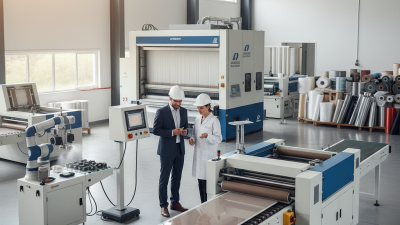
In factory audits, I examine film uniformity, line speed, cleaning time, and operator access.
A polished brochure cannot reveal unstable viscosity control. Ask for production samples using your actual substrate, coating weight, and drying profile. Request measured results, not only promises.
Industry data supports a careful approach.
A 2024 MarketsandMarkets report estimates the global coating equipment market will grow steadily through 2029, driven by automation and tighter material efficiency. Grand View Research also identifies process control and reduced waste as major investment factors. These trends matter on the shop floor.
A machine saving two percent of coating material may outperform a cheaper model within one year.
Still, published estimates vary. Treat them as direction, not proof.
Tips:
Check reference sites with similar materials.
Review five-day test runs. Measure start-up waste, changeover time, power use, and maintenance hours. Confirm spare-parts availability and remote support response times. Ask whether software updates remain accessible after installation.
A supplier should provide calibration records, safety documents, training plans, and clear acceptance criteria.
ISO 9001 certification can support quality discipline, but it does not guarantee coating performance.
My own evaluation would include a failure drill, because suppliers rarely show the difficult shift. That omission deserves attention.
Emerging Trends in Coating Machinery for 2026
In 2026, coating machinery is moving toward smarter control, lower energy use, and faster product changeovers. Manufacturers and suppliers are adding machine vision to inspect wet films, edges, and surface defects in real time. Operators can adjust speed, pressure, and drying temperature before a small fault becomes expensive waste.
Energy efficiency is becoming a practical purchasing factor. New systems combine precise airflow, heat recovery, and shorter curing zones. Water-based and UV-curable coatings are also influencing equipment design, especially where factories need reduced emissions and cleaner working areas. Modular coating heads allow one line to handle different materials, widths, and coating weights. That flexibility matters for shorter production runs.
Digital twins and remote diagnostics are gaining attention. Engineers can test settings virtually before changing the physical line. However, automation is not flawless. A poorly calibrated sensor may create false alarms or hide uneven coating. Human inspection still matters, particularly during startup and after material changes.
Suppliers with strong testing records, clear maintenance guidance, and responsive technical support will earn more trust than those selling impressive screens alone. I have seen efficient machines underperform when operators receive weak training. This lesson remains easy to overlook.