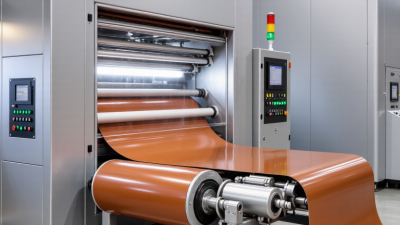
A battery cell’s performance begins long before formation and testing. It starts with a carefully coated electrode, where small variations in slurry thickness or drying can affect consistency. The Lithium Battery Coating Machine is therefore more than a production-line purchase; it is a process-control decision.
The International Energy Agency reported that global electric-vehicle battery demand exceeded 750 GWh in 2023, about 40% higher than in 2022 (Global EV Outlook 2024). That growth is raising expectations for throughput, repeatability, and material efficiency. Yet a faster line is not automatically a better line. Web tension, coating-width control, drying capacity, and compatibility with water-based or solvent-based slurries all matter. So does the factory’s available floor space.
This guide compares seven machines and the practical trade-offs behind them. It considers coating methods, usable web widths, operating speeds, process controls, and support for pilot or mass-production work. Buyers should verify performance with their own slurry and electrode specifications; catalogue figures alone can be incomplete. A machine that suits a large cell manufacturer may be excessive for a pilot line. Details matter.
The comparison is a starting point, not a substitute for testing. Ask suppliers for trial-coating data, configuration limits, and service terms before committing. Even then, some uncertainty remains. A careful purchase begins with the process, not the brochure.
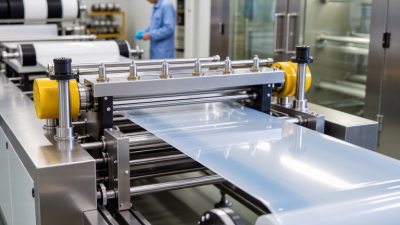
A lithium battery coating machine spreads a measured layer of electrode slurry onto thin metal foil. Copper foil is commonly used for anodes, while aluminum foil is commonly used for cathodes. The slurry contains active material, conductive additives, and binder. A pump feeds it to a coating head, often a slot die, which lays down a controlled wet layer as the foil moves forward. Small changes in flow, foil speed, or slurry consistency can affect coating thickness. Details matter.
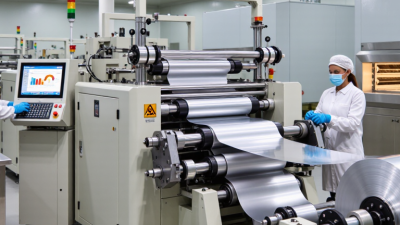
The coated foil passes through heated drying zones, where solvents or moisture are removed under controlled conditions. Operators monitor temperature, web tension, and air movement to help prevent wrinkles, cracks, or uneven drying. Afterward, rollers may compress the electrode to a target density, and inspection systems can check thickness or spot visible defects. These readings are useful, but they do not explain every defect. Setup and material behavior still require careful review.
Tips: Check the coating head and feed lines for residue before a run. Confirm slurry consistency and foil alignment, then compare thickness readings across the web. Keep a record of settings and defects; patterns may reveal a process issue. Small trials help, though results can vary with the formulation and machine setup.
Types of Coating Machines Used in Battery Production
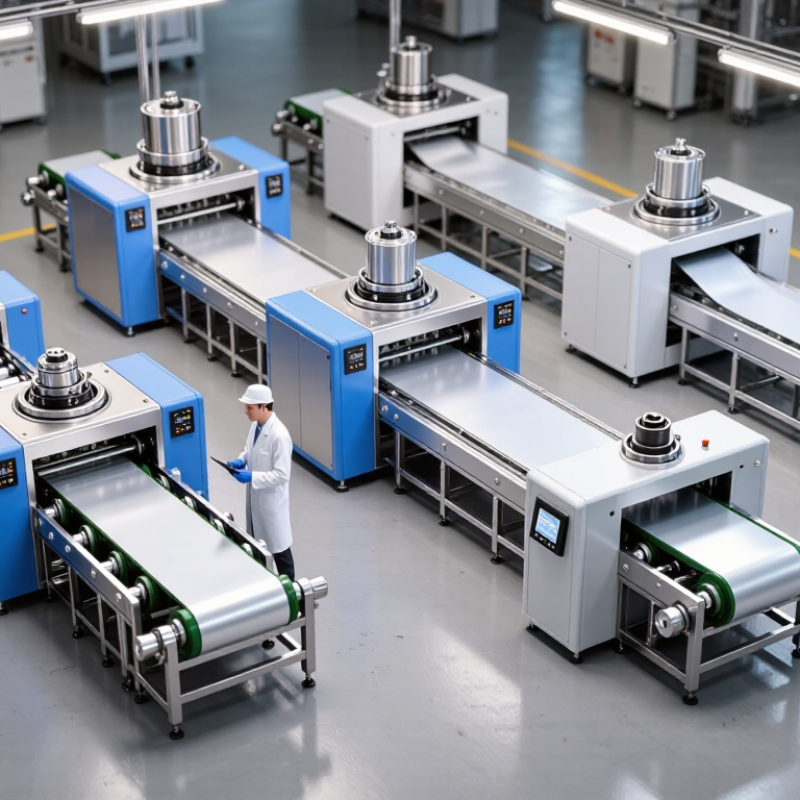
Battery electrode coating machines apply a controlled layer of slurry onto metal foil. A typical line includes an unwinder, tension controls, coating head, drying oven, and rewinder. Each part affects coating consistency. Even slight foil wrinkles can create uneven edges.
Slot-die machines meter slurry through a narrow, shaped gap. They suit continuous production and can produce repeatable coating thickness when flow and web speed are well matched. Comma or knife coaters spread slurry with an adjustable gap, making them useful for trials and some production setups. Gravure systems transfer material from engraved rolls and may suit thinner or specialized coatings. They are not a universal choice for thick electrode layers. Some lines coat one side at a time; others support double-sided processing, with drying and alignment requirements to consider.
Tips: Match the machine to slurry viscosity, foil width, target loading, and production volume. Ask for coating trials using your actual materials. Check edge quality and thickness across the web, not just at the center. Small sample tests can miss problems that appear during longer runs.
Typical number of electrode faces coated simultaneously in one pass
Most listed configurations coat one face per pass; double-sided slot-die systems can coat both faces simultaneously. Actual capabilities depend on machine design, electrode material, and process setup. This chart compares configurations, not machine quality or performance.
When comparing lithium battery coating machines, look beyond rated speed. The IEA’s Global EV Outlook 2024 reported more than 2.5 TWh of global battery-cell manufacturing capacity in 2023, while EV battery demand reached about 750 GWh. That gap makes usable output, process stability, and changeover time important buying criteria. Ask suppliers to demonstrate coating with your actual slurry and foil width. Inspect the sample for streaks, pinholes, edge beads, and cross-web thickness variation. Small defects matter.
Compare coating-width range, wet-film control, web-tension stability, and drying-zone temperature uniformity. A fast machine can still waste material if tension fluctuates or drying is uneven. Request documented thickness and loading measurements across the web, not just a center-point reading. Check whether the line supports your planned slurry types and offers practical cleaning access; awkward changeovers can quietly reduce operating time. Energy use per coated area is worth comparing, too. The IEA data describes industry scale, not a guarantee that any machine will perform well. Ask for a production-scale trial, review the raw results, and leave room for uncertainty: supplier demonstrations rarely capture every shift condition.
Seven lithium battery coating machines to consider include a lab-scale doctor-blade coater, a comma coater, and a slot-die system. A doctor blade suits small trials on short foil strips. It is simple to adjust, but hand setup can make repeatability difficult. A comma coater handles broader test runs, while slot-die coating offers controlled delivery when slurry flow and viscosity are well managed.
An intermittent coater leaves planned gaps between coated sections, useful for testing electrode layouts. A continuous roll-to-roll machine supports longer production runs and needs steady web tension. A double-sided coater applies material to both foil faces, so alignment and drying balance matter. A pilot-scale line combines coating, drying, and web handling for process development. That is a lot to coordinate.
Compare wet-thickness range, foil width, coating speed, and drying capacity before choosing. Ask how quickly operators can clean the die or blade between slurry changes. Check whether tension controls and thickness gauges suit your intended trials. A precise machine cannot rescue poorly prepared slurry. Nor does the highest output automatically mean the best fit. One imperfect but useful step is to test representative slurry on a small roll before committing to a larger line.
| Machine Type | Coating Method | Typical Application | Best-Fit Production Scale | Key Advantages | Points to Check Before Buying |
|---|---|---|---|---|---|
| 1. Laboratory doctor-blade coater | Wet slurry is drawn across a moving or stationary foil using an adjustable blade gap. | Small electrode samples, formulation screening, and early process development. | Laboratory and benchtop research | Simple setup, quick material changes, and useful for comparing slurry formulations and coating thicknesses. | Check usable coating width, foil handling, drying options, gap adjustment, and how repeatably the operator can control the coating. |
| 2. Pilot-scale slot-die coater | A metered slurry is delivered through a narrow die opening onto a moving current-collector foil. | Scale-up trials and controlled electrode coating with defined wet-film patterns. | Pilot production and process development | Supports consistent coating when slurry flow, web speed, die alignment, and tension are properly controlled. | Confirm pump and die compatibility with the slurry, coating-width range, cleaning procedure, and availability of web-tension controls. |
| 3. Continuous roll-to-roll slot-die line | Slot-die coating is applied continuously as foil unwinds, travels through the coating section, and rewinds. | Continuous production of anode or cathode electrode rolls. | Automated pilot lines and production | Continuous web handling can reduce interruptions and support repeatable coating over long foil lengths. | Review line speed range, web-width compatibility, tension control, splice handling, edge guiding, and integration with downstream drying and calendering. |
| 4. Comma-bar or knife-over-roll coater | A metering bar or blade controls the slurry layer as the foil passes over a backing roll. | Electrode coating trials and processes suited to adjustable mechanical gap control. | Pilot and production environments, depending on configuration | Offers a mechanically straightforward coating arrangement and can accommodate different coating setups. | Assess coating uniformity across the web, bar or blade adjustment, wear and cleaning requirements, and suitability for the chosen slurry rheology. |
| 5. Double-sided electrode coater | Coats both sides of the current collector, either in sequential passes or through a configured two-sided process. | Electrodes requiring active material on both faces of the metal foil. | Pilot and production lines | Can reduce handling steps compared with separate one-sided operations and supports two-sided electrode manufacture. | Check side-to-side alignment, drying sequence, foil support, coating registration, and controls for preventing damage to the first coated face. |
| 6. Intermittent or patterned coater | Applies slurry in defined coated sections with uncoated gaps, often by controlling slurry delivery and web motion. | Electrode designs that require uncoated tabs or patterned coating zones. | Pilot and production environments | Can produce repeated coating patterns without applying active material across the entire foil surface. | Verify pattern-length control, edge quality, start-and-stop consistency, registration, and compatibility with the intended electrode layout. |
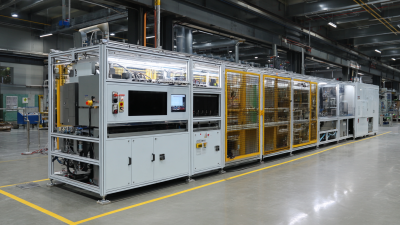
| 7. Coater with integrated drying oven | Combines slurry application with a heated, ventilated drying section to remove solvent from the coated electrode. | Processes that need controlled drying directly after coating. | Pilot and production lines | Coordinates coating and drying in one line and allows process settings to be evaluated together. | Check oven-zone control, airflow uniformity, exhaust and solvent-handling provisions, energy use, line length, and compatibility with the slurry solvent. |
Note: These are equipment configurations rather than specific product models. Actual performance depends on the electrode formulation, foil, coating width, line setup, and operating conditions. Confirm technical specifications and safety requirements with the equipment supplier before purchase.
A lithium battery coating machine should fit your production plan, not just look impressive in a demonstration. Start with the electrode width, target coating thickness, slurry properties, and expected output per shift. A line designed for narrow pilot rolls may struggle with wider production runs. Ask how the machine controls web tension and coating uniformity across the full roll. Small variations can create visible streaks or uneven edges.
Drying capacity matters just as much as the coating head. Check whether the oven can handle your planned line speed without leaving damp areas or overheating the material. Review temperature zones, exhaust design, and cleaning access. A practical test uses your own slurry and substrate, not a substitute chosen for convenience. Test it.
Compare changeover time, operator access, spare-part availability, and maintenance requirements. Watch a full roll run, including startup and shutdown. Ask for recorded thickness measurements and defect inspection methods. A polished sample is useful, but it cannot show how consistently the machine performs over a long shift. I would not treat a glossy demo as proof.
Before choosing among seven options, define a realistic production range and set acceptance limits with your process team. Then compare machines against those needs, including installation space, utilities, and training. Some specifications look less important on paper. They may become the daily frustration. Allow time for a pilot run, and document what still needs improvement before committing.