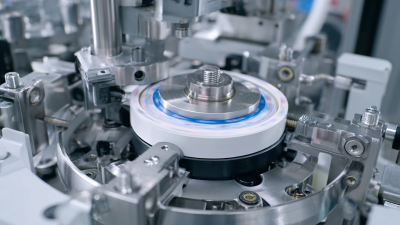
What Is a Comma Doctor Blade Coating Machine?
A Comma Doctor Blade Coating Machin applies a controlled liquid layer through a narrow gap formed by a rotating comma-shaped roll and a doctor blade. The blade meters excess material, while the roll helps transfer the remaining coating onto a moving web. Paper, film, foil, and battery-electrode materials may use related coating principles, but each substrate demands its own process settings.
Market context matters, but it should not be mistaken for machine-performance evidence. Grand View Research’s 2024 Flexible Packaging Market report valued that market at about USD 269 billion in 2023 and projected continued growth. This signals demand for converted films; it does not prove that comma-blade equipment suits every product. The real test is the coating window. Viscosity, solids content, web tension, blade geometry, and line speed all influence the wet layer.
Small changes show up quickly. A streak at the blade can become a visible defect across a long roll. ASTM D823 provides practices for producing uniform coating films on test panels, offering a useful reference for controlled coating evaluation. It is not a substitute for trials on a production web. That distinction matters.
A sound introduction should therefore explain the machine’s structure, operating principle, suitable materials, process variables, and limitations. It should also show how buyers compare coat-weight consistency, width, speed, cleaning access, and maintenance needs. Published market figures offer context, not a purchase recommendation. Pilot testing remains essential, and even careful trials can leave unanswered questions.
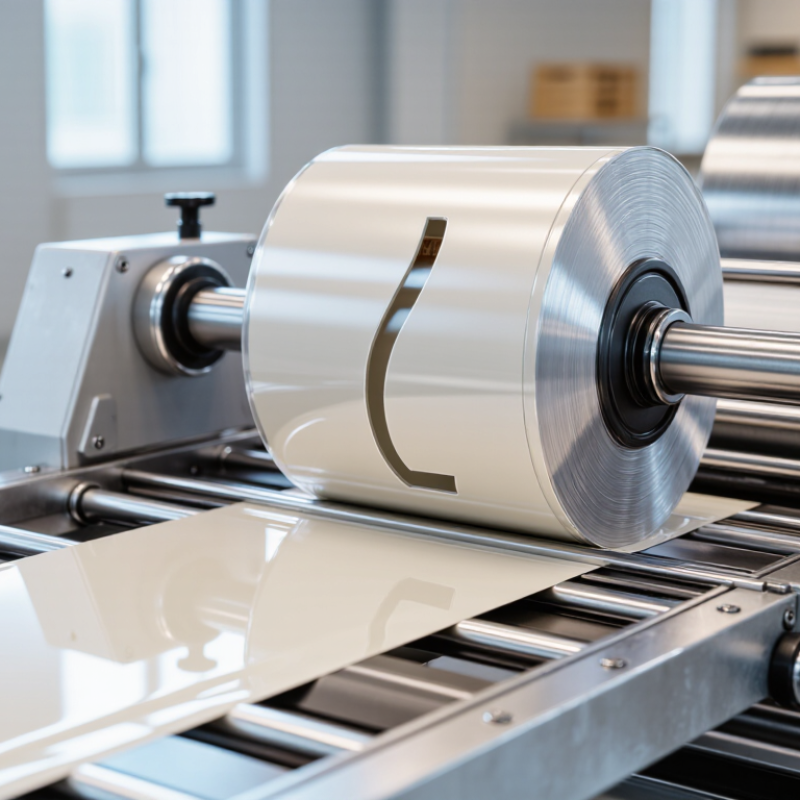
Definition and Basic Operating Principle
Definition and Basic Operating Principle
A comma doctor blade coating machine applies a controlled liquid layer to a moving sheet or web. Its name refers to the curved, comma-like blade positioned above a supporting roller. The blade meters coating liquid as the material passes beneath it. Common substrates include paper, plastic film, and metal foil. That is the basic idea.
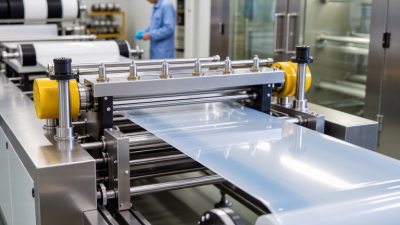
In operation, a pump or feed system places coating liquid in front of the blade. The web travels over a roller, while the blade’s clearance helps determine how much liquid remains on its surface. Excess coating is held back or removed. A narrow gap does not automatically guarantee a thinner, even layer. Viscosity, web speed, tension, and roller alignment also matter.
Operators typically check the coating across the web, not just at one point. A small gap difference can leave visible bands, especially on glossy film. The wet layer may also change as it dries, so final thickness needs its own measurement. Setup takes adjustment. A practical starting point is to test a short section, inspect the result, and change one operating condition at a time. This helps reveal whether the issue comes from the blade gap, liquid flow, or web handling.
What Is a Comma Doctor Blade Coating Machine? - Definition and Basic Operating Principle
| Dimension |
Description |
Basic Operating Detail |
| Definition |
A web-coating machine that meters a liquid or paste coating with a rigid, curved blade whose cross-section resembles a comma. |
The blade forms a controlled gap above a moving substrate, commonly supported by a backing roll. |
| Main components |
Unwind and rewind sections, web-transport system, coating feed system, comma blade and holder, backing roll, and drying or curing section when required. |
The web is transported under controlled tension while coating is supplied to the coating zone and the coated web proceeds to drying or curing. |
| Coating sequence |
Coating material is applied to the substrate or presented as a bead immediately before the metering blade. |
As the web passes the blade, excess material is metered away and the remaining coating forms a wet layer. |
| Thickness control |
The blade-to-web gap is a key adjustment for setting the wet coating thickness. |
The final result also depends on factors such as coating viscosity, web speed, solids content, blade geometry, and web tension. |
| Role of the backing roll |
The backing roll supports the substrate at the metering point and provides a stable surface beneath the blade. |
Stable support helps maintain a consistent blade gap across the web and reduces variation caused by web deflection. |
| Suitable materials |
Depending on machine design and coating formulation, it can process flexible webs such as paper, film, foil, and fabric. |
Material compatibility, surface treatment, coating rheology, and drying requirements should be checked for each application. |
| Typical applications |
Used for applying functional or protective layers, including adhesive, primer, barrier, and other formulated coatings. |
The coating formulation and line setup determine whether the process is appropriate for a particular product. |
| Basic process checks |
Operators monitor coating supply, blade condition, gap, web alignment, speed, tension, and coating appearance. |
Regular checks help identify streaks, uneven coverage, edge defects, or thickness variation before they affect more material. |
| Key limitation |
Performance can be affected by particles, blade wear or damage, unstable web handling, and changes in coating properties. |
Good filtration, clean components, consistent formulation, and suitable process settings support reliable coating quality. |
Main Components and Their Functions
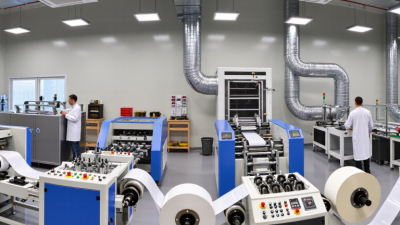
A comma doctor blade coating machine applies a controlled liquid layer to a moving web, such as film, paper, or fabric. Its central part is the coating head, where a curved comma-shaped blade meets the substrate. The blade wipes away excess material and meters the remaining layer. Its gap and angle affect coating thickness. Small adjustments can change the result noticeably. That sounds simple. In practice, viscosity, web speed, and surface condition also matter.
A feed pump or supply tray delivers coating to the head, while a backup roller supports the web beneath it. The roller helps keep the substrate steady as it passes the blade. Unwind and rewind units guide the roll through the machine, and tension controls reduce wrinkles or stretching. Tension matters. Where fitted, a drying oven removes moisture or solvent after coating; temperature and airflow influence how evenly the layer sets. Sensors may monitor speed, temperature, or web alignment, but operators still need to check the finished surface. A streak or uneven edge can point to a dirty blade, inconsistent feed, or changing material properties. The machine’s parts work together, yet setup is not always perfect on the first pass.
How the Coating Process Works
What Is a Comma Doctor Blade Coating Machine?
How the Coating Process Works
A comma doctor blade coating machine applies a controlled layer of liquid onto a moving web, such as paper, film, or nonwoven material. The web travels over a support roller while coating liquid reaches its surface. A curved, comma-shaped blade then meters the wet layer. Its gap, pressure, and angle influence coating thickness. The blade does not work alone. Liquid viscosity, line speed, web tension, and temperature also affect the result.
Small changes matter. A thicker liquid may resist spreading, while a faster web can leave less time for leveling. Operators watch for streaks, bubbles, and uneven edges, then adjust settings and inspect the dried coating. There is no single ideal setup. That part can be frustrating.
CEPI’s 2023 Key Statistics report recorded 79.3 million tonnes of paper and board production in Europe. This figure is not a coating-machine benchmark, but it shows the scale and variety of substrates used across the paper sector. Different grades can respond differently under the blade. ASTM D823 describes practices for producing uniform-thickness films, a useful reference for controlled coating tests. In production, samples should still be checked against the actual substrate and drying conditions. A clean-looking wet layer can change during drying. The operator’s notes may matter as much as the machine settings.
Materials and Common Industrial Applications
A comma doctor blade coating machine spreads a measured layer of liquid across a moving surface. A rotating comma-shaped roller transfers the coating, while a doctor blade controls its thickness. Operators commonly process paper, plastic film, nonwoven fabric, and metal foil. Coating materials may include water-based formulations, inks, adhesives, primers, or specialty slurries. Each material behaves differently. Viscosity, surface tension, and drying speed all affect the finished layer.
Common applications include packaging films, label stock, release liners, technical textiles, and protective or decorative surfaces. In production, a small thickness variation can create visible streaks or uneven drying. Substrate tension and roller alignment matter, too. A coating that works well on paper may not bond reliably to a smooth plastic film. Test runs help reveal these differences, though they can take time and material. Real production conditions are not always as tidy as the process settings suggest.
Tips: Check coating viscosity and substrate compatibility before a long run. Inspect the blade edge for dried residue, and measure the wet layer at several points across the web. Keep notes on speed, temperature, and tension. Small differences matter.
Advantages, Limitations, and Selection Factors
A comma doctor blade coating machine meters liquid with a curved blade pressed against a moving web. It suits materials such as adhesives, primers, and battery slurries when an even wet film matters. Its strengths are a compact coating head and straightforward gap adjustment. Operators can inspect the bead and coating edge directly. Useful, but not effortless.
The method can struggle with particles, changing viscosity, or web flutter. These may leave streaks, edge beads, or thickness variation. A narrow blade gap also makes cleanliness and setup important. Smithers’ 2023 report, The Future of Global Flexible Packaging to 2028, projected the market would reach $269.8 billion by 2028. That growth signals demand for converting capacity, not proof that this coating method fits every product. Market forecasts cannot replace a trial.
Selection should start with the liquid’s viscosity and solids, target coat weight, web width, and line speed. Check blade material, backing-roll runout, tension control, and cleaning access. Ask suppliers for measured cross-web uniformity and repeatability using your actual liquid and substrate. Bring a sample roll. A polished demo can hide difficult changeovers. One practical compromise: a simpler head may be easier to maintain, yet less forgiving when conditions drift. Test the imperfect cases, too.