Leave Your Message
Please agree to this agreement

Top Slot Die Coating Machine Manufacturers Worldwide

Choosing among the Top Slot Die Coating Machine Manufacturers Worldwide requires more than comparing catalog prices and coating widths. A reliable Slot Die Coating Machine must deliver stable film thickness, accurate fluid distribution, and repeatable results across long production runs. These details matter. Engineers should examine die-lip design, shim flexibility, pump control, web tension, drying compatibility, and substrate handling. A machine that performs well with battery films may require different settings for optical films, adhesives, or flexible packaging.

Practical evaluation should include factory testing, sample coating trials, maintenance access, and operator training. Ask manufacturers to demonstrate coating uniformity at the intended line speed, not only under ideal laboratory conditions. Inspect the fluid path closely. Dead zones, difficult cleaning points, or slow recipe changes can create unexpected production losses. Published specifications help, but they rarely reveal every setup challenge. That is the uncomfortable part. No manufacturer is perfect, and no machine fits every process.

This guide compares global suppliers through engineering capability, application experience, technical support, customization, and long-term reliability. It also considers documentation, quality controls, installation assistance, and responsible compliance with applicable industrial standards. Strong manufacturers explain limitations clearly instead of promising effortless performance. Buyers should verify references, request measurable test data, and define acceptance criteria before purchase. A thoughtful comparison can reduce coating defects, shorten commissioning time, and support safer, more consistent production. Still, final selection should follow real material trials and a careful review of total ownership costs.

Top Slot Die Coating Machine Manufacturers Worldwide

What Is a Slot Die Coating Machine?

Top Slot Die Coating Machine Manufacturers Worldwide

What Is a Slot Die Coating Machine?

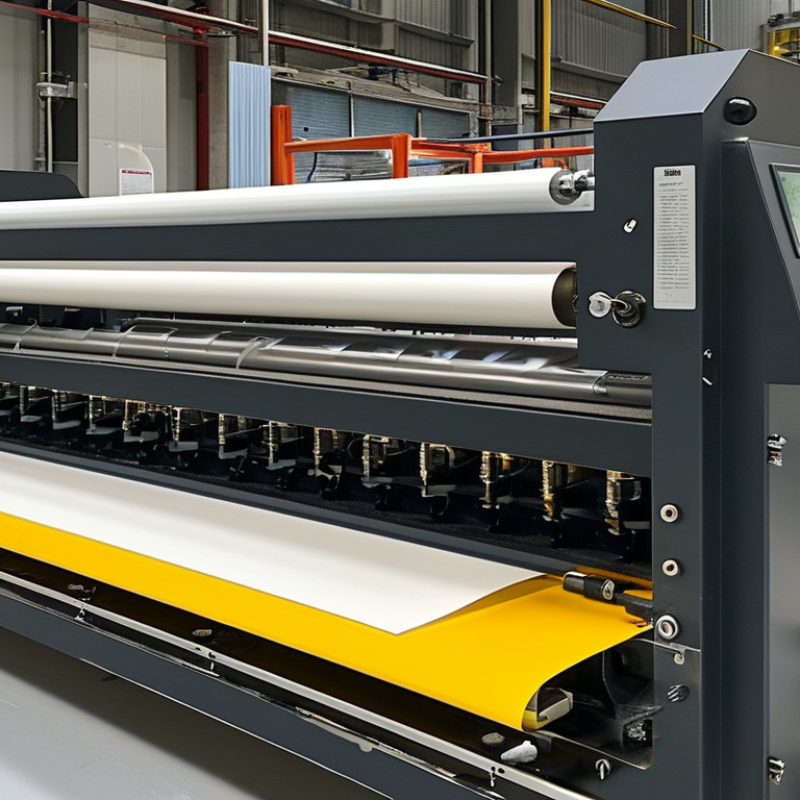
A slot die coating machine applies a controlled liquid film onto a moving substrate. The substrate may be metal foil, plastic film, paper, or another flexible web. A precision pump sends coating liquid through a narrow internal channel. The liquid exits through a slim slot and forms a smooth layer.

The die usually includes a manifold, shim, and adjustable lip. These parts influence flow distribution and coating width. A conveyor or unwinding system moves the substrate beneath the die. Drying ovens, infrared zones, or curing sections then remove solvents or set the coating. The final thickness may range from a few microns to much thicker layers, depending on the material and process.

In production practice, slot die coating can reduce liquid waste because the coating starts at a defined width. It also supports stable, repeatable film thickness at continuous speeds. However, the machine is not a magic box. Temperature, viscosity, pump pulsation, web tension, and die alignment can change results quickly. A small gap error may create streaks along the film. Dust can become a visible defect. Operators therefore inspect the coating surface, measure thickness, and adjust settings during trials. Some calculations look correct, yet the first sample may still fail. That is why experienced commissioning teams record real process data, not only supplier specifications.

How Slot Die Coating Machines Work

How Slot Die Coating Machines Work

A slot die coating machine applies a controlled liquid film onto a moving substrate. That sounds simple. A precision pump feeds the coating liquid into the die. Inside, a manifold spreads the liquid across the die width. Replaceable shims create the narrow outlet opening. Small gaps matter. As the web passes beneath the die, a coating bead forms between the die lip and substrate. Stable pressure keeps the film uniform.

Operators adjust flow rate, line speed, viscosity, temperature, and die-to-web distance. Speed changes everything. Too much flow can create thick edges or surface waves. Too little flow may cause dry lines and incomplete coverage. In production trials, technicians inspect the film under strong lighting. They also measure thickness across several points. These checks reveal problems that the machine display may miss.

After coating, the moving web enters a drying or curing zone. Air temperature alone does not control the result. Air speed, residence time, solvent removal, and substrate sensitivity also matter. A practical setup record should include pump pressure, material temperature, and coating weight. Data exposes weak assumptions. No setup is perfect, and the first trial may show poor wetting or unstable edges. Engineers then change one variable at a time, although this method can feel slower than expected.

Key Features of Leading Global Manufacturers

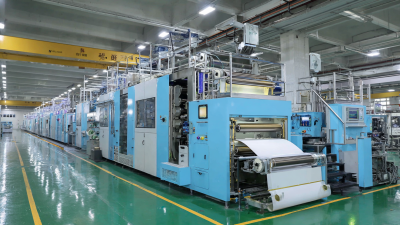
Leading global slot die coating machine manufacturers typically focus on precise fluid delivery, stable web handling, and repeatable production. Experienced engineering teams design systems for narrow laboratory trials and wide industrial lines. Their machines often use precision pumps, heated coating heads, automatic gap control, and closed-loop thickness monitoring. These features help maintain a uniform wet film across moving substrates.

Control systems are equally important. Advanced equipment records coating speed, pressure, temperature, and flow rate during each run. Operators can review these values when defects appear. Servo-driven rollers reduce tension changes, while cleanroom-compatible surfaces simplify maintenance. Some manufacturers also provide interchangeable dies for different coating widths and viscosities. Small details matter here.

Testing reveals the real difference.

Reliable manufacturers usually support factory acceptance testing, application trials, and documented process validation. They may examine edge quality, coating weight, drying behavior, and substrate defects before shipment. Technical service should include operator training, spare-part guidance, and practical troubleshooting. A responsive engineer can prevent hours of wasted material.

No coating machine is flawless. Pump pulsation, dust, or uneven substrate tension can still affect results. Some specifications look impressive but perform poorly with difficult fluids. Buyers should request sample trials using their actual materials and production speeds. Independent measurements are worth comparing with supplier data. A useful evaluation includes repeatability, cleaning time, energy demand, and long-term service access. Manufacturers that explain limitations openly often earn greater technical trust.

Major Applications Across Industrial Coating Markets

Top Slot Die Coating Machine Manufacturers Worldwide

Slot die coating machines support precise, continuous film production across demanding industrial markets. Their value depends on more than coating speed. Die design, pump stability, tension control, and drying performance all influence the final layer.

In battery manufacturing, the process applies electrode slurries onto metal foil with controlled thickness. Small coating variations can affect energy density and cell consistency. Thin films matter. Solar module producers use slot die systems for functional layers, conductive coatings, and encapsulation materials. Flexible electronics require clean, uniform deposition on plastic webs. The web moves continuously. That reduces material waste compared with many batch coating methods.

Adhesive and label manufacturers apply pressure-sensitive layers at high line speeds. Packaging converters use the equipment for barrier coatings, sealants, and water-based finishes. Medical products need careful control of coating weight and surface cleanliness, especially for transdermal patches and protective films. Optical film production adds another challenge: streaks, bubbles, or edge defects may become visible under direct light.

Experienced manufacturers usually provide trials, rheology checks, die adjustments, and drying recommendations. Buyers should examine substrate width, viscosity range, target coating weight, and cleaning access before comparing machines. In practice, the ideal coating window is rarely perfect. Ambient humidity can shift drying behavior, while small pump pulses may create visible lines. A reliable supplier should discuss these weaknesses openly and document test results under realistic production conditions.

Top Slot Die Coating Machine Manufacturers Worldwide - Major Applications Across Industrial Coating Markets
Industrial Coating Market Typical Product or Component Common Coating Materials Typical Substrate Indicative Wet Coating Thickness Typical Web Speed Range Key Process Requirement Primary Quality Metric
Lithium-Ion Battery Electrodes Anode and cathode electrode sheets Graphite, lithium-metal-oxide, carbon, conductive additives and polymer binders dispersed in solvent or water Aluminum foil for cathodes; copper foil for anodes Approximately 50–250 μm, depending on formulation and loading Approximately 10–80 m/min during precision production Accurate coat-weight control, edge definition, drying compatibility and solvent-management capability Coat-weight uniformity, loading consistency and defect-free electrode surface
Solar Photovoltaic Manufacturing Functional layers for thin-film or advanced photovoltaic devices Semiconductor inks, conductive polymers, metal-oxide dispersions and protective coatings Glass, polymer film or metal foil Approximately 1–100 μm, depending on the functional layer Approximately 5–60 m/min for precision functional coating Low-defect coating, clean handling, accurate registration and controlled drying Layer thickness uniformity, electrical performance and optical consistency
Flexible Electronics and Printed Sensors Conductive traces, dielectric layers, semiconductor layers and barrier films Silver or copper inks, carbon inks, dielectric polymers, semiconducting materials and UV-curable coatings Polyimide, PET, PEN, TPU or other flexible films Approximately 0.5–50 μm Approximately 1–40 m/min, depending on ink rheology and resolution Low tension, precise alignment, fine edge control and low-temperature curing Pattern fidelity, electrical resistance, pinhole rate and adhesion
Optical Films and Display Components Anti-reflection, hard-coat, prism, diffusion and optical adhesive layers UV-curable acrylates, optical adhesives, silicone-based materials and nanoparticle dispersions PET, TAC, COP, glass or coated polymer film Approximately 1–100 μm Approximately 5–100 m/min Excellent thickness uniformity, low particle contamination and stable optical properties Haze, transmittance, refractive-index uniformity and surface defect level
Medical and Diagnostic Disposables Adhesive dressings, diagnostic strips, drug-delivery films and protective coatings Medical-grade acrylic adhesives, silicone adhesives, hydrogels and bio-compatible polymer solutions Polyester, polyurethane, polyethylene, nonwoven materials or release liner Approximately 5–150 μm Approximately 5–60 m/min Cleanroom compatibility, repeatable coat weight, gentle web handling and validated process control Adhesion, biocompatibility, coat-weight consistency and particulate cleanliness
Adhesive Tapes and Label Materials Pressure-sensitive tape, label stock and transfer adhesive products Water-based acrylics, solvent-based acrylics, rubber-based adhesives and hot-melt formulations Paper, PET, BOPP, PVC, PE, cloth or release liner Approximately 10–150 μm Approximately 20–200 m/min Stable bead formation, high-speed coating, edge control and efficient drying or cooling Peel strength, tack, shear resistance and coat-weight uniformity
Protective and Barrier Packaging Films Barrier layers, sealant coatings and protective overcoats EVOH-based materials, acrylics, polyurethane dispersions, PVDC alternatives and functional nanocomposites PET, BOPP, PE, PP, nylon or paper-based web Approximately 1–50 μm Approximately 30–250 m/min High-throughput operation, low-foam delivery, surface treatment compatibility and rapid drying Oxygen transmission rate, water-vapor transmission rate, adhesion and seal performance
Release Liners and Specialty Papers Silicone release liner and functional paper coating Solventless, emulsion or solvent-based silicone systems; acrylic and starch-based coatings Glassine, clay-coated paper, PET or other dimensionally stable films Approximately 0.5–20 μm for silicone systems Approximately 50–300 m/min Very low coating weight, precise metering, rapid curing and minimal substrate deformation Release force, transfer level, surface coverage and curl control
Fuel Cells and Electrochemical Devices Gas-diffusion layers, catalyst layers and membrane coatings Ionomer dispersions, catalyst inks, carbon suspensions and conductive polymer systems Polymer electrolyte membrane, carbon paper, carbon cloth or metallic foil Approximately 1–50 μm for functional catalyst or ionomer layers Approximately 1–30 m/min Precise low-volume delivery, solvent compatibility, controlled penetration and clean-room operation Electrochemical performance, catalyst loading, porosity and layer uniformity
Architectural and Automotive Films Window films, paint-protection films and decorative laminates Hard coats, UV absorbers, acrylic adhesives, polyurethane coatings and abrasion-resistant formulations PET, TPU, PVC, polycarbonate or composite film Approximately 5–100 μm Approximately 10–150 m/min High surface quality, optical clarity, scratch resistance and reliable multilayer registration Haze, gloss, adhesion, abrasion resistance and weathering performance
Textile and Nonwoven Finishing Functional, breathable, water-resistant and adhesive textile layers Polyurethane dispersions, acrylics, silicones, fluorine-free repellents and hot-melt adhesives Woven fabric, knitted fabric, nonwoven web or membrane laminate Approximately 5–100 μm Approximately 5–80 m/min Controlled penetration, flexible web handling, low tension and uniform coverage on textured surfaces Water resistance, breathability, hand feel, bond strength and coverage uniformity
Industrial Metal and Foil Coatings Primer, insulation, corrosion-resistant and functional foil coatings Epoxy, polyurethane, acrylic, ceramic-filled and electrically insulating coatings Aluminum foil, steel strip, stainless steel or copper foil Approximately 2–100 μm Approximately 10–150 m/min Strong substrate adhesion, tension control, edge stability and compatibility with thermal curing Coating thickness, adhesion, dielectric strength and corrosion resistance
Indicative ranges are industry-oriented reference values. Actual operating windows vary with coating rheology, substrate surface energy, die design, drying or curing method, line configuration and required product specifications.

How to Evaluate Slot Die Coating Machine Manufacturers

How to Evaluate Slot Die Coating Machine Manufacturers

A credible evaluation starts with process evidence, not polished brochures. Ask manufacturers for coating trials using your actual slurry, substrate, and target thickness. Examine edge beads, streaks, wetting marks, and thickness variation across the web. A clean laboratory panel can hide production problems.

Market pressure makes this test essential. The International Energy Agency reported that global battery demand reached about 750 GWh in 2023. Fraunhofer ISE’s Photovoltaics Report recorded more than 1.6 TW of global photovoltaic capacity by the end of 2023. These volumes require stable coating windows, fast changeovers, and repeatable quality. Compare operating speed, web width, pump accuracy, drying integration, and tension control. Request measured data, such as thickness uniformity, uptime, and material waste. Numbers matter more than claims.

Look closely at technical support. Can engineers troubleshoot a vibrating meniscus at 2 a.m.? Do they provide spare-part lead times, operator training, and software access? Review references from similar viscosities and substrates. A manufacturer may offer impressive maximum speed, yet your formulation may run much slower. That is often overlooked. Check energy use, cleaning time, safety systems, and maintenance records before signing. Factory acceptance tests should define measurable pass criteria. I would also challenge optimistic sample results. Real production is rarely that tidy.