Why Choose the Best Film Coating Machine for Your Production?
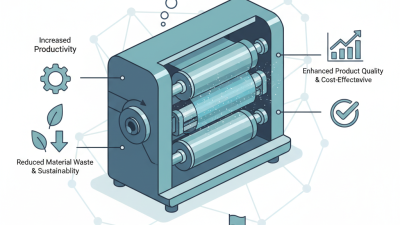
In the competitive world of manufacturing, choosing the right machinery is crucial. A film coating machine plays a vital role in enhancing the quality and durability of products. It applies a protective layer, improving functionality and appeal. Selecting the best machine requires careful consideration of various factors.
Investing in a high-quality film coating machine can lead to improved production efficiency. The right choice can reduce waste and enhance the application process. However, not all machines are equal, and it can be challenging to navigate the options available. Manufacturers should look for machines that offer precision and flexibility to meet their unique needs.
Moreover, the importance of reliable after-sales support cannot be overstated. Equipment can fail, which may disrupt production. A solid support system ensures that manufacturers can quickly address issues. This consideration often gets overlooked, yet it is essential for long-term success. Ultimately, the decision to choose the best film coating machine is complex and demands thorough research and reflection.
Understanding Film Coating Machines and Their Importance in Production
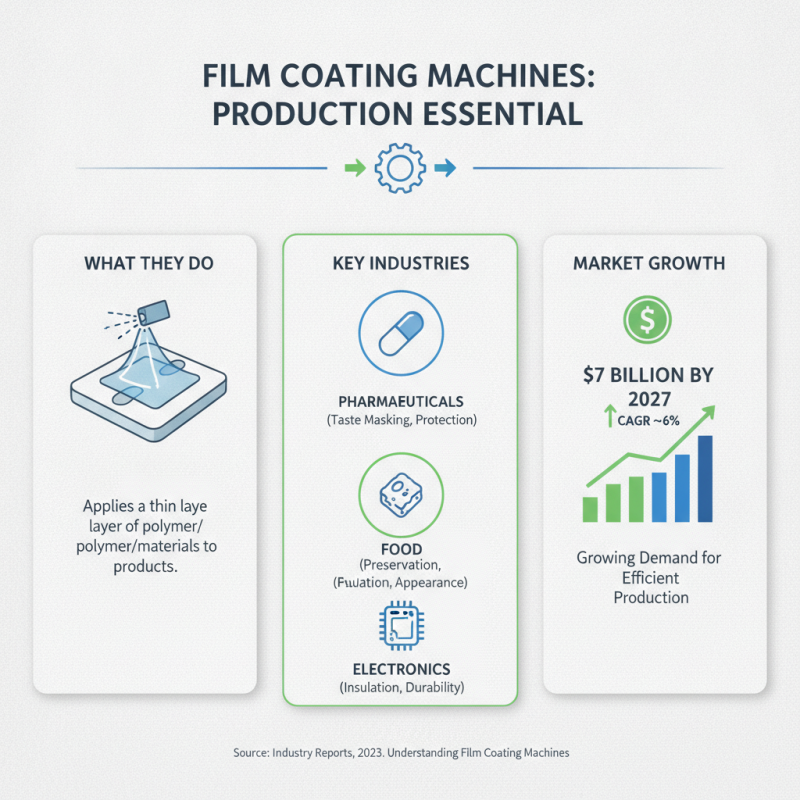
Film coating machines play a critical role in various industries. These machines apply a thin layer of polymer or other materials on products, enhancing their properties. They are essential in pharmaceuticals, food, and electronics. According to industry reports, the global film coating market is projected to reach $7 billion by 2027, with a CAGR of around 6%. This indicates a growing demand for efficient production processes.
The importance of film coating machines cannot be overstated. These machines ensure product quality and performance. For example, in pharmaceuticals, coatings can control drug release rates and protect active ingredients. In food processing, coatings can extend shelf life, maintaining product freshness. Data shows that 30% of production failures are linked to inadequate coating techniques, emphasizing the need for high-quality machines.
Tip: Regular maintenance of film coating machines can prevent downtime. Keep a log of service schedules to ensure longevity and efficiency.
Moreover, selecting the right machine is essential. Operators must consider factors like coating thickness and uniformity. Inadequate equipment can lead to uneven application. A 2019 study indicated that 25% of manufacturers face challenges with inconsistent coating. This highlights the need for investment in reliable technology that meets industry standards.
Key Features to Look for in a High-Quality Film Coating Machine
When investing in a film coating machine, several key features determine its effectiveness and efficiency in production. The right equipment ensures a consistent coating application, critical for maintaining product quality. A study by the International Society for Pharmaceutical Engineering indicated that improper coating can lead to a 30% increase in production costs due to rework and waste.
One important feature is the machine's coating uniformity. Machines equipped with advanced atomization technology provide better control. This means more even coverage and fewer defects. Research shows that achieving a uniform film can improve product performance by up to 20%. It's essential to look for systems that offer adjustable spray rates and nozzle configurations to cater to varying production needs.
Moreover, consider the machine's ease of cleaning and maintenance. A high-quality film coating machine should allow for quick disassembly. This is crucial for minimizing downtime and ensuring faster turnaround between production runs. Many operators report that prolonged cleaning processes can lead to operational inefficiencies. Lastly, check for data logging capabilities. These features help ensure quality control and traceability, providing insights that can lead to continuous improvement in production processes.
Comparing Different Types of Film Coating Machines Available on the Market
When selecting a film coating machine, understanding the different types available is crucial. Generally, machines can be categorized into two main types: conventional and advanced systems. Conventional machines often lack flexibility and may struggle with complex coatings. They are easier to operate but may not meet specific production needs.
Advanced coating machines tend to offer increased efficiency and versatility. They can handle various substrates and complex film formulations. However, these machines are often more expensive and require specialized training. A production team must weigh the added costs against potential benefits.
Each type has its pros and cons. The simpler machines can be less reliable in high-volume settings. Conversely, advanced units may necessitate ongoing maintenance that can disrupt production. Evaluating the unique needs of your production line helps identify the best fit.
Why Choose the Best Film Coating Machine for Your Production? - Comparing Different Types of Film Coating Machines Available on the Market
| Machine Type |
Coating Method |
Production Capacity (kg/h) |
Efficiency (%) |
Suitable for |
| Spray Coating Machine |
Spray |
50 |
85 |
Pharmaceuticals |
| Dip Coating Machine |
Dip |
30 |
90 |
Electronics |
| Fluid Bed Coater |
Fluid Bed |
70 |
95 |
Food Products |
| Rotary Coater |
Rotary |
60 |
80 |
Cosmetics |
| Continuous Coater |
Continuous |
100 |
88 |
Bulk Products |
The Impact of Choosing the Right Film Coating Machine on Efficiency
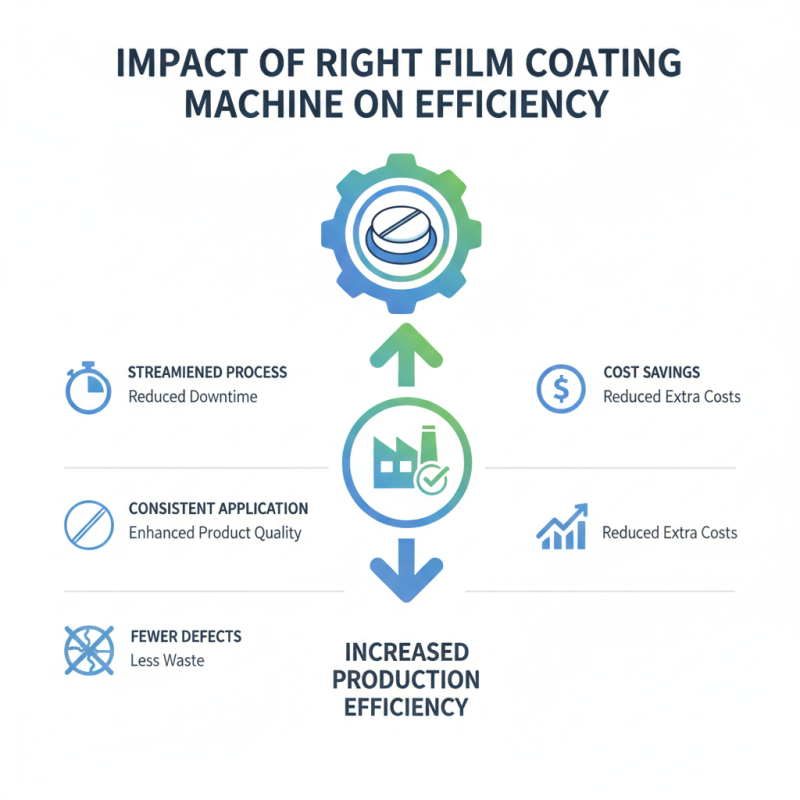
Choosing the right film coating machine can significantly impact production efficiency. A well-designed machine streamlines the coating process, reducing downtime. It allows for consistent application, enhancing product quality. This leads to fewer defects, cutting waste and extra costs.
Efficiency is also influenced by how easy the machine is to operate. Trained staff can quickly adapt to user-friendly controls. Less time spent on training equals more productivity. However, overly complex machines may create frustration and errors. Regular maintenance is essential to ensure longevity, but it often gets overlooked.
It's crucial to weigh the benefits and limitations. A high-performance machine can yield great results, but may require higher initial investment. Businesses must evaluate their production needs and budget carefully to make informed choices. Balancing performance with practicality can be challenging but is necessary for sustained success.
Cost-Benefit Analysis: Investing in the Best Film Coating Technology
When investing in film coating technology, understanding the cost-benefit analysis is crucial. Quality machinery can be expensive, but the rewards can be significant. Advanced film coating machines enhance product durability and consistency. They can improve production efficiency, which saves time and reduces waste. For instance, machines that ensure uniform coating can decrease rework costs by up to 30%.
However, it’s essential to weigh these benefits against initial costs. Some companies may overextend their budgets for high-end machines. Regular maintenance and employee training add to operational costs. Investing in the best technology can lead to long-term savings, but companies must analyze their specific needs. Not all production lines require the latest technology. Sometimes, a mid-range machine may suffice.
Choosing the right film coating machine means looking beyond price. Consider the machine’s features, reliability, and the support provided by the manufacturer. Long-term partnerships with reliable suppliers enhance a company’s stability. Being aware of these factors can lead to informed decisions that yield better financial outcomes. It’s easy to focus on immediate costs, but a strategic perspective is essential for success.
Cost-Benefit Analysis of Film Coating Machines