| Furniture and Cabinet Manufacturing |
- Medium-density fiberboard
- Particleboard
- Plywood
- Wood veneer panels
|
- Water-based paint
- UV-curable coating
- Polyurethane coating
- Primer and sealer
|
- Cabinet doors
- Furniture panels
- Decorative wall panels
- Shelving components
|
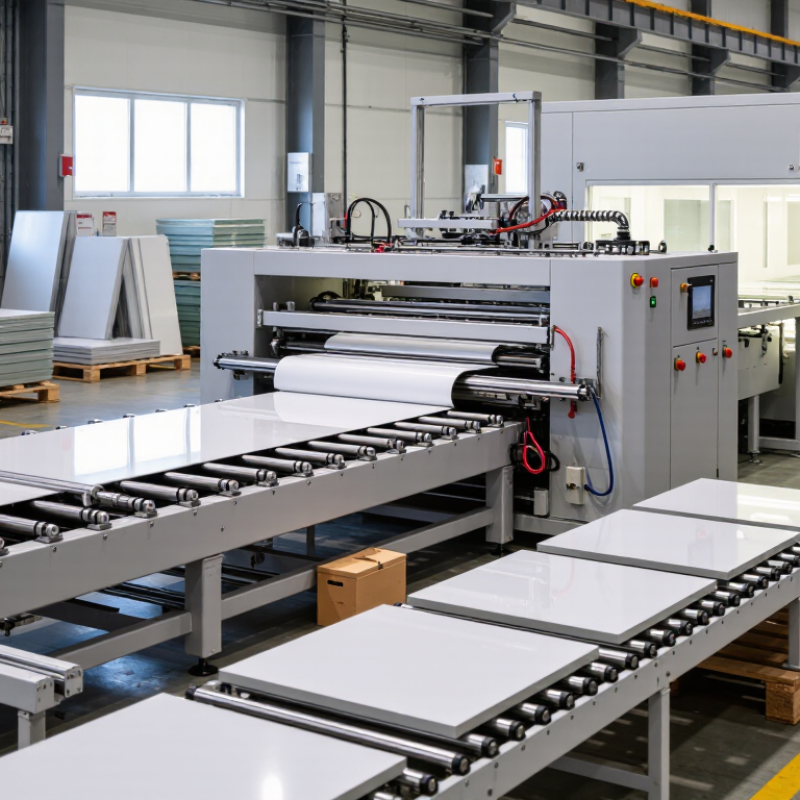
- Uniform coating across large panels
- Adjustable coating thickness
- Low overspray and material recovery
- Conveyor handling for finished surfaces
|
- Color consistency
- Smooth surface appearance
- Strong adhesion to wood-based panels
- Resistance to scratches and household chemicals
|
| Flooring Production |
- Engineered wood boards
- Laminate flooring panels
- Vinyl flooring planks
- Fiber cement boards
|
- Wear-resistant topcoat
- UV coating
- Water-based lacquer
- Anti-slip coating
|
- Decorative flooring surfaces
- Protective floor finishes
- Moisture-resistant flooring layers
- Commercial flooring products
|
- High-speed continuous processing
- Accurate application on long panels
- Integrated drying or curing section
- Easy cleaning when changing coatings
|
- Abrasion resistance
- Uniform gloss or matte level
- Slip performance
- Dimensional stability and edge coverage
|
| Metal Sheet Fabrication |
- Cold-rolled steel sheets
- Galvanized steel sheets
- Aluminum sheets
- Stainless steel panels
|
- Polyester coating
- Epoxy primer
- Polyurethane coating
- Powder coating
|
- Building panels
- Appliance panels
- Metal doors
- Industrial enclosures
|
- Surface pretreatment compatibility
- Precise metering for thin coatings
- Controlled oven or curing temperature
- Suitable handling for rigid metal sheets
|
- Corrosion protection
- Coating adhesion
- Uniform film thickness
- Impact and weather resistance
|
| Appliance Manufacturing |
- Steel appliance panels
- Aluminum panels
- Glass panels
- Plastic flat components
|
- Electrostatic liquid paint
- Powder coating
- UV-curable coating
- Anti-fingerprint coating
|
- Refrigerator panels
- Washing machine panels
- Oven and cooker surfaces
- Small-appliance housings
|
- Repeatable color and gloss control
- Clean-room-compatible material handling
- Efficient curing for high-volume production
- Automated inspection capability
|
- High cosmetic quality
- Resistance to heat and detergents
- Low surface contamination
- Reliable adhesion on different substrates
|
| Automotive and Transportation Components |
- Steel body panels
- Aluminum panels
- Composite sheets
- Interior trim panels
|
- Epoxy primer
- Basecoat and clearcoat
- Polyurethane coating
- Anti-corrosion coating
|
- Vehicle body components
- Truck and trailer panels
- Interior decorative panels
- Rail and bus components
|
- Accurate robotic or reciprocating application
- Controlled booth ventilation
- Multi-stage drying and curing
- Traceable process parameters
|
- Uniform appearance over large surfaces
- Corrosion and stone-chip resistance
- Weathering durability
- Strict film-thickness control
|
| Building Materials |
- Fiber cement boards
- Gypsum boards
- Calcium silicate boards
- Insulation panels
|
- Acrylic coating
- Elastomeric coating
- Water-repellent treatment
- Fire-retardant coating
|
- Exterior cladding
- Interior wall panels
- Ceiling boards
- Decorative architectural panels
|
- Large-width conveyor system
- High-viscosity material handling
- Dust control before coating
- Flexible drying time management
|
- Weather and moisture resistance
- Consistent coverage on porous surfaces
- Color stability
- Fire-performance compliance where required
|
| Glass Processing |
- Float glass sheets
- Tempered glass panels
- Laminated glass
- Mirror substrates
|
- Ceramic frit coating
- Water-based paint
- UV-curable coating
- Reflective or functional coating
|
- Architectural glass
- Shower and partition panels
- Decorative glass
- Display and signage panels
|
- Non-contact or low-pressure conveying
- Particle-controlled coating environment
- Precise edge masking
- UV, thermal, or air-drying compatibility
|
- Optical uniformity
- Low bubbles and pinholes
- Strong adhesion after curing
- Scratch and chemical resistance
|
| Packaging and Printing |
- Paperboard sheets
- Corrugated board
- Plastic sheets
- Metal packaging sheets
|
- Overprint varnish
- Water-based coating
- Barrier coating
- Heat-seal coating
|
- Folding cartons
- Food and beverage packaging
- Labels and printed sheets
- Protective packaging surfaces
|
- High-speed sheet feeding
- Fast drying between process stages
- Accurate registration and coating placement
- Low-material-consumption operation
|
- Print protection
- Gloss and rub resistance
- Food-contact suitability where applicable
- Consistent coating weight
|
| Solar and Renewable Energy Equipment |
- Photovoltaic glass
- Aluminum frames
- Backsheet materials
- Composite equipment panels
|
- Anti-reflective coating
- Anti-soiling coating
- Corrosion-resistant coating
- Electrical insulation coating
|
- Solar module components
- Mounting system parts
- Energy-storage equipment panels
- Outdoor electrical enclosures
|
- Very clean substrate handling
- Precise thin-film application
- Controlled curing environment
- Low-defect continuous operation
|
- Optical performance
- Outdoor durability
- Electrical insulation properties
- Resistance to humidity and ultraviolet exposure
|
| Electronics and Electrical Equipment |
- Printed circuit board panels
- Metal control panels
- Plastic sheets
- Insulating laminate boards
|
- Conformal coating
- Insulating coating
- Protective lacquer
- Electromagnetic shielding coating
|
- Control cabinets
- Electronic housings
- Switchgear panels
- Insulation components
|
- Accurate low-volume dispensing
- Masking of connectors and contact areas
- Clean, controlled working environment
- UV or thermal curing control
|
- Electrical insulation
- Moisture protection
- Controlled coating thickness
- Minimal contamination and voids
|