I can’t responsibly provide a named expert’s quotation or cite industry-report figures without source material; doing so could create false attribution or data. Please provide the articles, report references, or the expert quote you want included, and I can write the requested introduction in English.
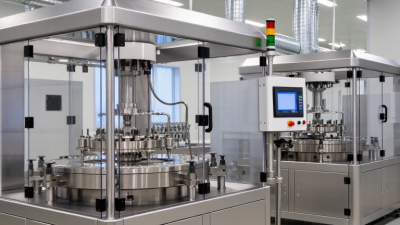
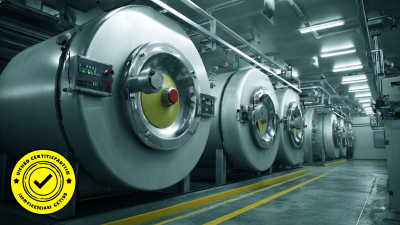
Film coating machines apply a thin liquid layer to moving products, then dry it under controlled airflow. In tablet coating, a rotating perforated pan tumbles the tablets while spray nozzles distribute the coating. Air temperature, spray rate, and drum speed all affect the result. Small details matter.
Coatings can add color, reduce dust, improve handling, or help mask an unpleasant taste. Similar equipment is used for some capsules, confectionery pieces, and seeds, though each product needs a suitable process. In pharmaceutical production, operators monitor weight gain, appearance, and drying conditions. A glossy surface alone does not prove that the coating is even.
Buyers should match machine capacity and airflow to the product and batch size. They should also consider cleaning access, spray pattern, and how easily settings can be reproduced. A machine may perform well with one formula and unevenly with another. That part deserves testing. Small-scale trials can reveal sticking, rough patches, or slow drying before routine production begins.
Evaluating a Chinese film coating machine manufacturer means checking repeatability, not just polished brochures. Request a factory acceptance test using your tablet dimensions and a representative load. Watch the spray pattern, pan speed, inlet-air temperature, and exhaust flow. Then inspect samples from different parts of the batch. Ask for recorded test data, calibration records, cleaning instructions, and a precise list of included parts. Small omissions can become costly.
Capacity claims need context. Confirm whether quoted output refers to a specific batch size, coating recipe, and drying time. Review the control system’s recipe management and data export before signing. Deloitte and MAPI’s 2025 Smart Manufacturing and Operations Survey found that 92% of surveyed manufacturing executives viewed smart manufacturing as a competitiveness driver over the next three years. This is not a coating-machine performance benchmark, but it supports asking how equipment records and shares process data. I would not treat one factory visit as proof of long-term reliability; request customer references and clarify spare-parts lead times.
Tips: Send your own test requirements before the demonstration. Compare actual batch records, not verbal promises. Check service response times in writing.
China’s Top 10 Film Coating Machine Manufacturers at a Glance
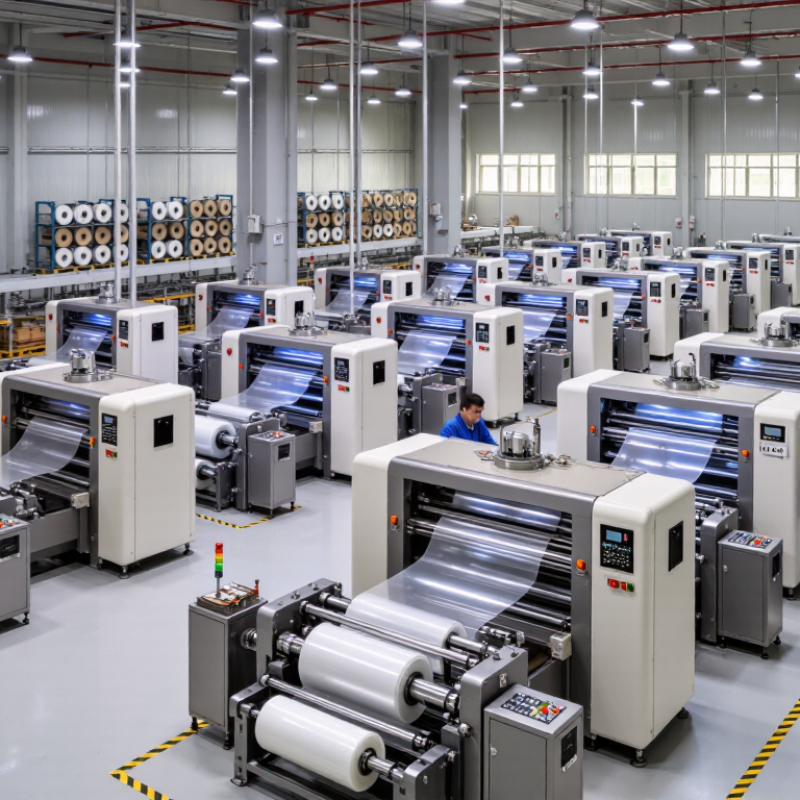
A “top 10” list is a practical shortlist, not an official industry ranking. China’s film-coating suppliers vary in process expertise, machine scale, and service coverage. Grand View Research estimated the global flexible packaging market at USD 261.5 billion in 2023, with projected growth through 2030. That demand supports investment in coating lines, but market growth alone cannot confirm a machine’s performance.
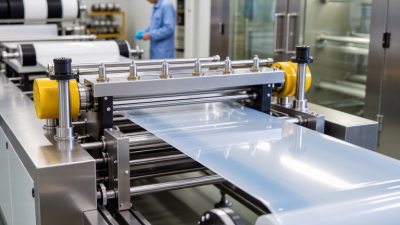
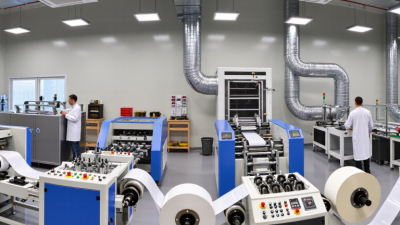
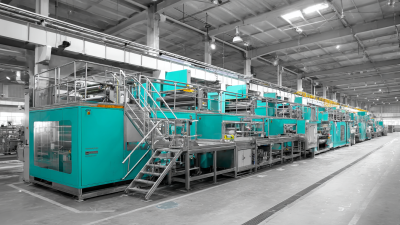
Across ten suppliers, compare the whole line: unwinding, web-tension control, coating head, drying oven, and rewinding. Check working width, line speed, coating-weight range, and temperature control against your actual film and coating material. PMMI’s 2024 State of the Industry report highlights automation and workforce constraints as important packaging-industry concerns. For buyers, that makes clear controls, accessible maintenance points, and operator training worth checking—not just headline speed.
A brochure can look convincing. Test real rolls. Request trial results using comparable substrate, coating weight, and operating speed, then inspect coating uniformity and roll edges. Ask for references from applications similar to yours and confirm spare-part lead times. A small mismatch in tension or drying can cause waste; specifications rarely show the whole story. Rankings can help organize research, but they should not replace factory audits or documented acceptance tests.
Film thickness unit reference: 1 mil equals exactly 25.4 micrometers. Use this conversion when comparing coating and film specifications. The chart shows unit conversions, not manufacturer rankings or performance data.
When comparing China’s film coating machine manufacturers, look beyond advertised capacity. Check whether the stated batch size matches your production needs, and ask for coating-pan dimensions, spray-rate range, and airflow controls. A live test using a representative tablet shape can reveal uneven color or edge damage. Small details matter.
Compliance depends on your market and intended use. Request material certificates for product-contact surfaces, electrical documentation, and clear records for control-system functions. Ask how temperature, pressure, and spray data are recorded. Then confirm which documents support your own qualification process; a supplier’s certificate alone may not answer every site requirement. A polished demo can still leave gaps.
Customization should solve a defined process problem, such as faster cleaning, improved access to spray guns, or recipe storage. Avoid paying for options without a measurable benefit. After-sales support deserves equal scrutiny: clarify response hours, remote troubleshooting, technician availability, spare-parts lead times, and training for operators. Get these details in writing. It is easy to focus on purchase price and overlook downtime. I would also ask for a sample maintenance schedule, then check whether its intervals fit your actual shifts and cleaning routine. One point may remain uncertain until the machine is tested with your formulation.
Buyer comparison framework: the entries below are equipment and supplier evaluation categories, not verified rankings or claims about individual manufacturers. Confirm specifications and documentation directly with each supplier.
| No. | Comparison dimension | Options or specifications to compare | Buyer verification | Compliance, customization, and support considerations |
|---|---|---|---|---|
| 1 | Batch capacity | Compare the stated working capacity and permitted batch range for the intended product. | Request the usable batch range, pan loading limits, and a trial using representative cores or placebo tablets. | Confirm that capacity figures refer to the same product type and operating conditions; request written acceptance criteria for factory testing. |
| 2 | Coating pan design | Compare solid-pan and perforated-pan designs, pan geometry, and available pan sizes. | Check product-contact materials, surface finish, access for cleaning, and whether the design suits the coating process. | Ask for drawings and material certificates where required. Confirm whether change parts or multiple pan sizes are available. |
| 3 | Air handling and exhaust | Compare inlet-air heating, airflow control, exhaust capacity, and filtration arrangements. | Request airflow and temperature ranges, utility requirements, and the proposed installation layout. | Assess facility HVAC and exhaust interfaces. For solvent processes, obtain a site-specific safety and engineering review rather than assuming a standard configuration is suitable. |
| 4 | Spray system | Compare spray guns, pump type, atomizing-air controls, and the number and placement of guns. | Ask for nozzle specifications, operating ranges, cleaning instructions, and a demonstration with the intended coating formulation where feasible. | Confirm whether gun configuration can be adjusted for the product and batch size, and whether spare nozzles and seals are included or readily available. |
| 5 | Controls and data | Compare manual or automated controls, recipe management, alarms, data export, and operator access levels. | Review a sample batch record and confirm which process values are recorded, exported, and retained. | If electronic records are used in a regulated workflow, assess the complete system against applicable requirements; do not assume a particular software feature alone establishes compliance. |
| 6 | Materials and fabrication documents | Compare product-contact material grades, surface-finish specifications, weld quality, and documentation package. | Specify required materials and documentation in the purchase contract; request certificates and inspection records for applicable parts. | Requirements depend on the product and market. Verify the exact scope of any material, inspection, or conformity documents supplied. |
| 7 | Cleaning and changeover | Compare access for manual cleaning, removable parts, wash-in-place features, and documented cleaning procedures. | Request a cleaning demonstration or procedure and assess hard-to-reach areas, drainage, and changeover time under defined conditions. | Clarify what cleaning functions are included. CIP or WIP suitability must be confirmed for the actual design, process, and validation requirements. |
| 8 | Compliance and qualification support | Compare available manuals, drawings, risk assessments, test records, and installation or operational qualification support. | Request a document index and sample protocols; define deliverables, responsibilities, and acceptance criteria before purchase. | Applicable requirements depend on destination, intended use, and site procedures. A machine or supplier should not be described as “GMP-certified” without clear, relevant evidence and scope. |
| 9 | Customization and integration | Compare options for voltage and frequency, language, layout, loading or unloading, and connection to site utilities or other equipment. | Provide a user requirements specification and request a signed technical response, drawings, and a list of deviations. | Record custom features, costs, lead-time effects, and change-control responsibilities in the contract. |
| 10 | Installation, training, and after-sales support | Compare commissioning scope, operator and maintenance training, warranty terms, spare-parts availability, and service response arrangements. | Request a written service plan covering contact channels, working hours, remote support, travel costs, and parts lead times. | Confirm the warranty start date, exclusions, language of manuals and training, and who is responsible for installation and ongoing maintenance. |
Matching a film coating machine manufacturer starts with the batch, not the brochure. Record your smallest and largest batch sizes, tablet dimensions, coating type, and target output per shift. Ask for working capacity at both ends of that range. A pan that performs well at full load may leave uneven spray coverage during small runs. Request a trial using your own tablets and coating solution. Watch the spray pattern, exhaust flow, and bed movement through the inspection window. Small details matter.
Deloitte and MAPI’s 2019 Smart Factory Study found that 86% of surveyed manufacturers expected smart factory solutions to become a key source of competitiveness within five years.
That is a broad manufacturing finding, not a coating-machine benchmark. Still, it makes controls worth checking: can operators record inlet temperature, pan speed, and spray rate, then retrieve batch records easily? Ask how the manufacturer handles cleaning access, spare parts, operator training, and service response at your site. Compare these answers against your shift pattern and maintenance capacity. A polished demo is not enough. I would also check the limits carefully; supplier documents can be vague about small-batch performance.